Come join Ashland Sabbath Chapel Ministries each Saturday for live streamed church services. Bible Study begins at 10:00 AM Central Time and Sermon at 11:00 AM. Visit Our YouTube channel and watch from home!
Grounding techniques are a remarkable way to harmonize our body and soul, fostering a sense of balance and connection to the world around us. At their core, these practices are designed to help us become more present, alleviate stress, and enhance our overall well-being. It is through these techniques that one can find a deeper sense of peace and clarity in life.
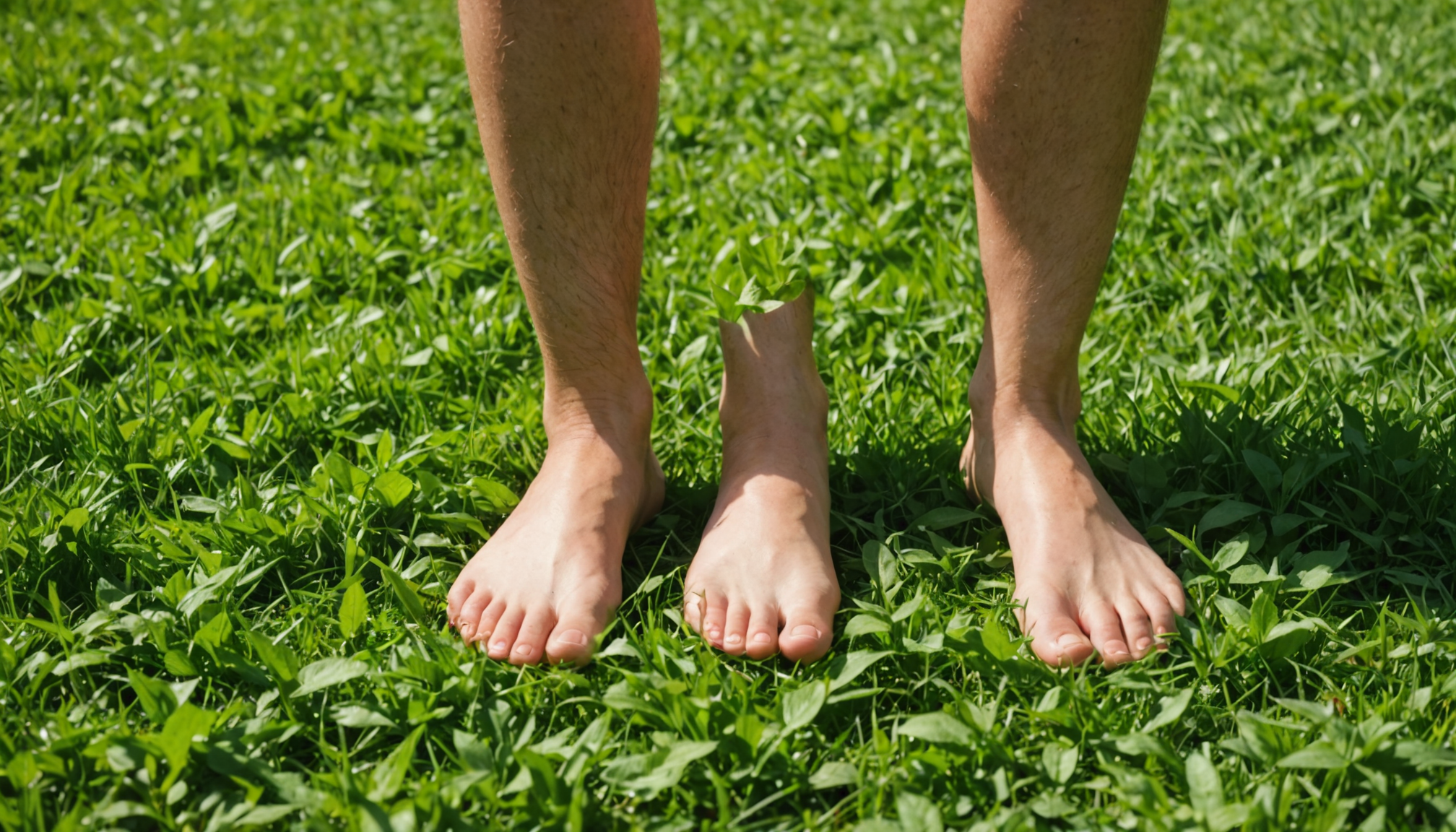
One of the simplest yet most profound grounding methods involves connecting physically with the earth. This can be achieved by walking barefoot on the grass or the beach, allowing the natural energy of the earth to enter our being. By doing so, we not only absorb the energy but also feel a sense of liberation from the stresses that bind us. Using our bodies as a conduit of connection, we can experience a tangible link to our surroundings that nurtures our health.
In addition to physical connection, grounding can also take place through various mindfulness practices. Engaging in deep breathing exercises or meditation can center our thoughts and reduce the chaos of life, effectively rooting us in the present moment. When we focus on our breath, we create a bridge between our soul and our environment, anchoring ourselves to the here and now, and fostering a deeper appreciation for our existence.
Additionally, grounding techniques can include journaling which not only serves as a creative outlet but also allows for reflection on our thoughts and emotions. Writing down our feelings can help untangle the complex threads of our mind, grounding our thoughts in a way that promotes clarity and insight. Hence, through simple practices like these, we can nurture our spirit and enhance our intuitive understanding of ourselves.
As we delve deeper into the essence of grounding, it becomes evident that the act of grounding is not just about physical presence; it is also a spiritual journey. It invites us to reconnect with the core of our being and reminds us that we are part of a larger tapestry of life. In moments of doubt or anxiety, engaging with these techniques can restore our sense of self and our connection to the greater universe.
Benefits of Grounding for Mind and Body
The benefits derived from grounding techniques resonate deeply with both mind and body. When we practice grounding, we unlock a form of healing that transcends mere physicality. One might find that as they engage with these techniques, their mental clarity sharpens and emotional turbulence begins to calm. This process unfolds through various mechanisms within us.
First, grounding can reduce stress and anxiety significantly. In a world interspersed with constant distractions, the body often finds itself in a state of heightened alertness, leading to an overload of cortisol – our stress hormone. By reconnecting to the earth, the body can discharge this excess energy, promoting relaxation and fostering a state of tranquility. Research shows that time spent outdoors, especially in nature, has measurable positive impacts on our mood and mental health (Bratman et al., 2019).
Moreover, grounding techniques have been linked to improved physical health as well. Engaging with the Earth’s energy can enhance circulation, reduce inflammation, and promote better sleep patterns due to its regulatory effects on the autonomic nervous system. Walking barefoot, for instance, not only stimulates the nerve endings in our feet but also encourages the release of tension stored in the body. This physical act, simple as it may seem, serves as a reminder of our intrinsic connection to the natural world.
On an emotional level, grounding establishes stability amidst the chaos. As we root ourselves in the present, we cultivate greater awareness of our thoughts and feelings. This practice can lead to profound insights about ourselves. When we write or meditate, we begin to sift through our inner landscape, often making connections that had previously eluded us. Embracing this deeper understanding can facilitate emotional healing, guiding us through the fragmented pieces of our soul towards a sense of wholeness.
Additionally, there is an undeniable spiritual aspect to grounding. Many who practice these techniques report a heightened sense of connection not only to themselves but to a greater energy at play in the universe. This can lead to a more fulfilling experience of life, where the mundane transforms into the miraculous. Grounding reminds us of our roots—for we are elements of nature, intertwined with its rhythms and cycles. The journey into grounding becomes not just a practice, but a pathway to enlightenment and spiritual awakening.
In light of these benefits, it becomes evident that grounding is much more than an exercise; it is a gentle reminder of our place in the world. It offers a sanctuary for our minds, bodies, and souls to find solace and strength in a fast-paced existence.
Practical Grounding Exercises

There are numerous practical exercises to incorporate grounding techniques into daily life, each offering unique methods to reconnect with our body and soul. These exercises range from simple movements to more focused practices, allowing individuals to find what resonates most with their personal journey.
One of the easiest ways to establish a grounding routine is through walking barefoot outside. This simple act can be both invigorating and calming as you connect directly with the earth. Whether it’s the soft grass of a park or the warm sand of a beach, feeling the ground beneath your feet engages your senses and helps you connect with the moment. Try to take a few moments each day to walk barefoot, focusing on the sensations and allowing any distractions to fade away. You may also notice a significant boost in your overall health as your body benefits from increased circulation and decreased inflammation.
Another simple exercise involves practicing mindful breathing. This can be done anywhere and requires no special equipment. Begin by finding a comfortable seated position, either on the ground or in a chair. Close your eyes gently and take a deep breath in through your nose, feeling your abdomen expand. Hold this breath for a few seconds, then slowly exhale through your mouth. Repeat this process for several minutes, focusing intently on each inhale and exhale. As thoughts drift into your mind, acknowledge them without judgment and gently redirect your attention back to your breath. This practice cultivates a sense of inner peace, centering your thoughts, and allowing you to gain clarity.
Meditation can also serve as a powerful grounding technique. You can start by using guided meditation apps or videos, which can provide structure and support as you begin to explore this practice. Sit or lie down in a quiet space, allowing your body to relax fully. Focus on visualizing roots extending from your feet deep into the ground, anchoring you safely. This visualization can enhance your sense of stability and security. Over time, meditation can strengthen your connection to your inner self, revealing insights that nourish your soul.
Incorporating creative practices into your grounding journey can be immensely beneficial as well. Consider keeping a journal where you express your thoughts and emotions. Each day, take a few minutes to write freely, allowing your mind to flow without restriction. This can be a therapeutic way to clarify emotions and cultivate mindfulness. You might also explore other creative outlets like painting, gardening, or crafting. These activities not only provide distraction from daily stresses but also create a physical manifestation of your feelings.
Connecting with nature can deepen your grounding experience. Planning regular outings to parks, forests, or other natural settings enables you to absorb the sights and sounds of the world around you. On these excursions, practice observing your surroundings by noticing the colors, textures, and energy of the environment. Allow this appreciation to fill your senses, rooting you firmly in the present moment and promoting a sense of awe and connection.
Ultimately, finding the right grounding exercises for you is a personal journey. Experiment with different techniques to discover what feels best in your body and soul. Each practice, no matter how small, can lead to a richer experience of life, nurturing both your mental and physical health. Embrace this opportunity to reconnect deeply with yourself and the environment, establishing a routine that supports your well-being.
Incorporating Grounding into Daily Life
In our quest to imbue our daily lives with the enchanting art of grounding, we may find numerous avenues through which we can seamlessly weave these practices into the very fabric of our existence. Imagine, if you will, the gentle onset of morning—an opportunity to engage lovingly with the self. As the world awakens, take a moment to pause, breathe deeply, and revel in the stillness that accompanies the dawn. This initial act, a grounding ritual in itself, can set a tone of serenity for the days that lie ahead.
To further elevate this practice, consider establishing dedicated moments within the day that serve as sanctuaries of connection to your inner being. For instance, during a midday break, seek refuge in nature, perhaps a nearby garden or park. Allow your feet to be unshackled from the confines of shoes, if possible, so that you may feel the precious warmth of the earth beneath your soles. Connecting directly with the ground awakens our senses and reminds us of our intimate bond with the world around us. While enveloped in nature’s embrace, take a few moments to listen carefully—to the rustle of leaves, the chirping of birds, and the soft patterns of the wind. These sounds provide a rhythmic heartbeat to the atmosphere, further establishing a cadence that binds our spirit to the very essence of existence.
As we continue to navigate our lives, let us also incorporate grounding practices into those cherished moments that are often filled with haste and distraction. When engaging in routine activities, such as washing dishes or taking a shower, bring mindfulness into the experience. Feel the cool water on your skin, observing the sensations it brings forth while acknowledging the pleasure it affords. Allow your thoughts to be oriented toward the present moment, celebrating the transformation of mundane chores into opportunities for reflection and grounding. In doing so, we nurture our body and soul, re-establishing a fuller awareness of our experiences.
The transition from night to day can also become a beautifully grounded ritual. As you prepare to retire, consider engaging in a short meditation or contemplative journaling session. Reflect upon the day’s moments—those that nurtured your spirit and those that may have felt challenging. This reflective engagement not only serves as a method of processing but also roots your thoughts, allowing for a sense of closure and clarity as your body prepares for rest. Place your journal by your bedside, and as you write, visualize the burdens of the day being transmuted onto the pages, creating space for renewal in the depths of slumber.
Moreover, creating sacred spaces within your home where grounding can flourish is a delightful notion to entertain. Designate areas for practices such as yoga, meditation, or simply for quiet contemplation. Adorn these spaces with elements of nature—perhaps a potted plant, stones, or crystals that resonate with your soul. The mere act of nurturing an environment dedicated to grounding can reinforce a mindful lifestyle, encouraging frequent returns to these precious practices amid the chaos of modern life.
Furthermore, the companionship of others can deepen our grounding experiences. Seek opportunities to gather with friends or family in nature, sharing moments that encourage laughter, storytelling, and physical connection with the earth. Whether it is a picnic on the grass or a leisurely stroll through the woods, engaging with loved ones in a grounding context fosters not only community but profound connections that echo through our very souls.
Thus, dear reader, as we immerse ourselves in the art of integrating grounding practices into our routines, let us embrace the notion that every action, no matter how trivial it may seem, possesses the potential to be richly infused with intention. Whether through solitary reflection or shared experiences, we cultivate a deeper connection to ourselves and to the world, navigating life’s complexities with a serene heart and a mindful soul.
Overcoming Challenges in Grounding Practices
Life can present numerous obstacles that may challenge our commitment to grounding practices. Understandably, amid the demands of modern existence—professional responsibilities, family obligations, and the constant stream of information—finding the time and space to connect mindfully with ourselves can feel daunting. However, acknowledging these challenges is the first crucial step toward overcoming them. It requires a conscious choice to prioritize our well-being, realizing that the chaotic rhythms of life do not have to dictate our sense of calm and connection.
One common barrier is the misconception that grounding techniques require extensive time or complicated rituals. In truth, grounding can often be simplified to short, mindful moments scattered throughout the day. Whether it’s pausing for a few deep breaths or feeling the ground beneath our feet during a quick walk, every small action can contribute to maintaining a connection with our body and soul. This realization can empower individuals to incorporate grounding more fluidly into their lives, free from the pressure of perfection.
Another notable challenge is the prevalence of distractions. In a world filled with constant notifications and obligations, our minds are often busy, making it seemingly impossible to achieve a state of presence. Developing strategies to minimize distractions during grounding sessions can be beneficial. This might include setting boundaries with technology by allocating specific times to engage with our devices and creating a serene space that invites focus and tranquility. By intentionally designing an environment conducive to grounding, we can aid our mind in embracing the stillness necessary for reconnection.
Separately, overcoming emotional barriers can present a significant challenge in our grounding journeys. Feelings of anxiety, self-doubt, or past trauma can hinder our ability to open up and receive the nurturing energies that grounding practices offer. It can be helpful to approach these feelings with compassion and patience. Engaging in grounding techniques in tandem with therapeutic practices—such as counseling or mindfulness training—can provide a supportive framework for emotional healing. This combined effort can enhance our ability to fully experience the balance and peace that grounding offers.
Additionally, understanding that grounding is a personal journey can alleviate the pressure to conform to specific practices. Each individual’s path to connection may look different, influenced by personal preferences and life circumstances. Experimenting with various techniques can create a sense of autonomy and empowerment. Finding what resonates with the body and soul can cultivate enthusiasm for grounding, transforming it from a chore into a cherished ritual instead.
As we navigate these challenges, it becomes crucial to remind ourselves that the journey of grounding is not about perfection; it is about progress and understanding. Patience and self-compassion in the face of setbacks can foster a deeper commitment to cultivating our well-being. By persevering through obstacles and embracing the exploration of grounding techniques, we can steadily weave them into our lives, nurturing a robust connection between our body, soul, and the vibrant world around us.
- What are grounding techniques?
- Grounding techniques are practices designed to help individuals connect with their bodies and the present moment. They often involve physical, mental, and emotional activities that promote awareness and stability, such as walking barefoot on natural surfaces, deep breathing, meditation, and mindful observation.
- How do grounding techniques benefit mental health?
- Grounding techniques can significantly reduce stress and anxiety by promoting a state of relaxation. They help calm the mind, enhance focus, and foster a greater awareness of emotions, allowing for emotional healing and improved mental clarity.
- Can grounding techniques help with physical health?
- Yes, grounding techniques have been linked to improved physical health, including enhanced circulation and reduced inflammation. Engaging with the Earth’s energy can lead to better sleep and overall physical well-being through its regulatory effects on the autonomic nervous system.
- How can I incorporate grounding into my daily routine?
- You can incorporate grounding into your daily routine through simple practices such as walking barefoot outdoors, practicing mindful breathing, or taking a moment to appreciate nature during a break. Even mundane activities can become grounding moments if approached with mindfulness.
- Is there a best time to practice grounding techniques?
- There isn’t a “best” time to practice grounding, as it can be beneficial at any moment throughout the day. However, incorporating grounding techniques during transitions—such as upon waking or before sleeping—can enhance their effectiveness and help establish a rhythmic connection with your body and soul.
- What if I have difficulty focusing during grounding practices?
- It’s normal to encounter difficulties with focus. To improve concentration, try minimizing distractions by designating a specific, quiet space for grounding practices. Deep breathing or mindfulness meditation can also help anchor your attention and bring you back to the present moment.
- Where can I learn more about grounding techniques?
- Numerous resources are available for learning about grounding techniques, including books, online articles, and guided practices. Look for materials that resonate with you and consider joining workshops or groups focused on mindfulness and grounding for additional support.
Ashland Ashland Sabbath Chapel
Beside our live streamed church services, all are welcome to attend our church in person each Saturday beginning 10:00 AM Central Time by going to 2425 Owens Rd., Ashland, AL 36251. There is no cost and any donations are strictly voluntary.
For questions, call +2563547124.