Come join Ashland Sabbath Chapel Ministries each Saturday for live streamed church services. Bible Study begins at 10:00 AM Central Time and Sermon at 11:00 AM. Visit Our YouTube channel and watch from home!
Friend, if the week ahead already looks full of errands, duties, and unforeseen burdens, you need not resign yourself to hurried drive-thru suppers and scattered thoughts. With a little forethought in your meal prep, the days may move forward with more quiet order, even when the calendar is full. The aim is not perfection, but a modest, steady plan that guards your health, your peace, and your household budget at the same time.
Begin by taking a sober look at your week. Take out a simple sheet of paper or open a plain document and sketch the days ahead. Mark which evenings are crowded with appointments, church gatherings, children’s activities, or late work. These are the days when you will lean most heavily upon your prepared meals. Next, note the quieter evenings. These are the times when you can do your chopping, roasting, and portioning without haste. Planning in this manner keeps you from standing in the kitchen at 6 p.m., weary and uncertain, wondering what you shall eat.
Once you see the shape of your week, set just two or three clear aims. Do not burden yourself with ten new habits at once. You might say, “This week, I will cook one large pan of roasted vegetables, prepare a big pot of whole grains, and assemble two simple protein options.” From these, you can build several combinations for lunches and suppers. For example, roasted sweet potatoes and broccoli, a pot of brown rice or quinoa, and a batch of baked chicken or beans will furnish many meals. Mixed and seasoned differently, they will not grow tiresome. This modest, repeatable pattern is worth more than an ambitious plan that collapses after two days.
When you consider your meals, think in building blocks rather than complicated recipes. Aim to prepare at least one item from each of three simple groups: a source of protein, a wholesome carbohydrate, and colorful vegetables or fruits. Proteins might include beans, lentils, tofu, eggs, or simple baked chicken if you use it. Wholesome carbohydrates may be brown rice, quinoa, oats, or roasted potatoes. Vegetables could be carrots, greens, peppers, or whatever is fresh and affordable. By storing these parts separately, you may quickly assemble varied plates through the week without starting from nothing each time.
To keep your mind and body steady, bring healthy eating into your planning from the start. Do not think of planning only as a way to save time, but also as a guard around your habits of eating. When the body is nourished with vegetables, fruits, whole grains, and simple proteins, the thoughts are clearer and the temper more firm. So, look at each day and ask, “Where will my vegetables appear? Where will I place fruit? When will I have something hearty enough to keep me from snacking on whatever is nearest?” In this way you tie convenience together with better nutrition, rather than letting them stand opposed.
It will also help you, dear friend, to standardize some of your choices. Choose a small set of meals that you know are quick, wholesome, and agreeable. Perhaps oatmeal with fruit and nuts in the morning, a grain-and-bean bowl with vegetables at midday, and a simple stir-fry over rice in the evening. Write them down as your “busy-week standards.” When the week grows crowded, you do not need to invent anything; you simply lean on this short list. This steadiness in your routine reduces the strain on both mind and pocket, and helps you resist the lure of costly and less nourishing options.
As you plan, take inventory of what you already have. Look through your pantry, refrigerator, and freezer before you write your list. You may find half a bag of frozen vegetables, a forgotten jar of beans, or some grains that can serve as the base of two or three meals. Build your weekly plan around using these on-hand items first. This not only prevents waste but also makes your plan gentler on your finances, a matter that weighs heavily on many homes.
After you know what you will cook, make a grocery list that follows the way the store is laid out. Group produce together, then grains, then canned goods, and so forth. This may seem like a small matter, but it turns a scattered, wandering trip into a short and peaceful one. You are less likely to forget key ingredients, which, as you know, can unravel even a careful plan. A few steady minutes spent making that list will pay you back in hours and in quietness of mind through the week.
Set a regular time, perhaps once or twice a week, when you will devote yourself to the chief labor of your cooking. Many choose Sunday afternoon, others a weeknight when the home is more still. Guard this time as you would any important appointment. During those hours, wash and chop vegetables, cook a pot or two of grains, and prepare your proteins. Portion some meals into containers that are ready to take along, and leave other items stored separately so they can be combined in various ways. This one appointment with yourself prevents many small crises later.
For families, planning is not the burden of one person alone. Invite the household into the process. Ask what simple meals they enjoy that can be prepared in advance. Encourage children, if you have them, to wash produce, portion snacks, or place labels on containers. When all hands share the work, even in small ways, the load is lighter and there is more willingness to eat what has been prepared. Moreover, the younger ones will learn, by practice, that thoughtful planning of food is one part of caring for body and soul.
Keep your plan visible through the week. Place it on the refrigerator door, on the inside of a cupboard, or in a small notebook on the counter. Each day, glance over it and decide in the morning what will be eaten that day. Move containers from freezer to refrigerator if needed, and set out anything that must thaw. This habit keeps you a few steps ahead of your hunger so you are not caught unprepared at mealtime. When the hour to eat arrives, you are not driven by impulse, but guided by the quiet decisions you made in a calmer moment.
Lastly, hold your plan with a gentle hand. Life will not always bend itself to your chart. Some evenings may bring unexpected guests or extra duties. If a plan is too strict, such changes will discourage you. But if you allow for a measure of flexibility—keeping a few “emergency” options like frozen vegetables, canned beans, or precooked grains—then interruptions need not overthrow your whole week. You simply adapt, use what you have, and return to your usual order the next day. In this way, wise planning becomes a servant to your peace and not a stern master.
Time-saving batch cooking strategies
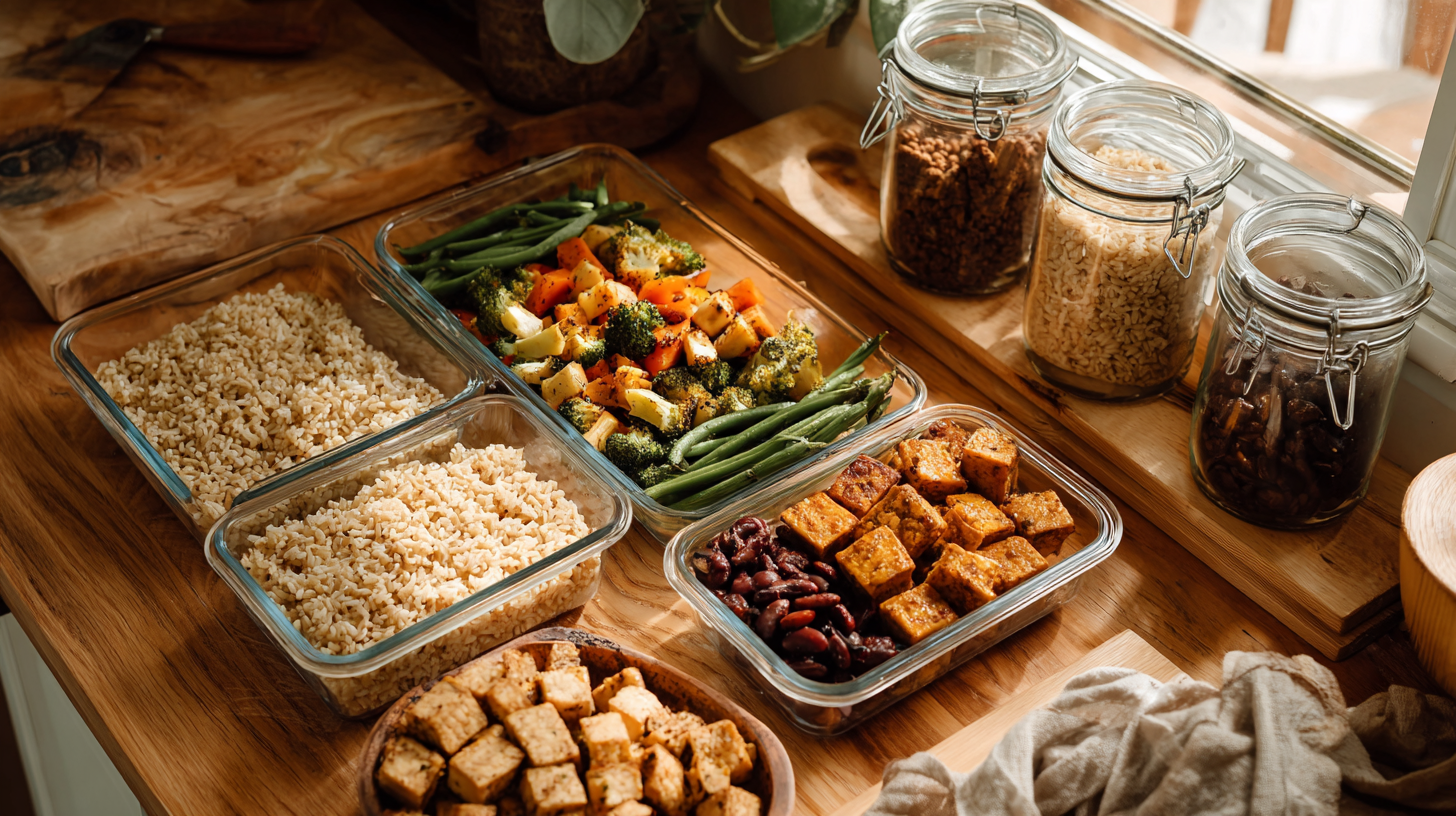
When your days are crowded and your strength feels small, one of the kindest things you can do for yourself is to cook once and eat many times. Batch cooking is simply this: preparing a larger quantity of wholesome food in one or two set times, so that the rest of your week is not governed by last-minute scrambles and hurried choices. It is a quiet ally to healthy eating, because when good food is already waiting, it becomes easier to choose it.
Think first in terms of “main building blocks” rather than finished restaurant-style dishes. On your chosen meal prep day, aim to prepare a generous portion of each of these: one or two proteins, one or two whole grains or starchy vegetables, and several trays of mixed vegetables. For example, a large pan of baked tofu or beans, a pot of brown rice and roasted potatoes, and two sheets of roasted vegetables will furnish the foundation for many different meals. Through the week you may season them with various herbs and simple sauces so they do not become wearisome.
To save time, group similar tasks together. If you must wash and chop vegetables, do them all at once rather than repeating the same work each evening. Lay out your cutting board, sharpen your knife, and fill the sink with cool water. Wash all your carrots, broccoli, peppers, onions, and greens in one session. Chop them into the shapes you most often use—slices for stir-fries, cubes for roasting, sticks for snacks. Place them in containers so that later, when you are weary, you have only to reach and cook, not to begin the labor from the beginning.
The oven can be your faithful helper if you use it wisely. Instead of baking a single item, fill it. Place several trays on different racks: perhaps one with sweet potatoes and regular potatoes, another with a mixture of carrots, onions, and cauliflower, and a third with marinated tofu or seasoned chickpeas. All can roast at a similar temperature, around 400°F, though some may finish sooner. While the oven works, you are free to prepare something on the stove or to tidy the kitchen. In less than an hour you may have the backbone of many meals for the days ahead.
On the stovetop, choose recipes that multiply easily without much added effort. A pot of lentil soup, for instance, takes little more time to make for eight servings than for two. A large batch of chili, vegetable stew, or curry can be portioned into jars or containers for lunches and suppers. As you stir the pot, remember that each quiet turn of the spoon is an hour saved for your future self, who may be coming home late and hungry, needing only to warm and eat.
Rice cookers, slow cookers, and pressure cookers can lessen your burden further. A rice cooker can prepare a large pot of brown rice, quinoa, or millet while you tend to other tasks. A slow cooker can be filled in the morning with beans, vegetables, and seasonings, and by evening you will have a fragrant meal and several extra portions for later days. If you use a pressure cooker, dry beans become tender in a short time, making them far less costly and more wholesome than many prepared alternatives. These simple tools are not for indulgence, but for stewardship of time and strength.
It is wise to think not only of how much you cook, but how you cool and store it. Divide your food into single-meal portions soon after cooking, while you still have energy. Place some portions in the refrigerator for the next day or two, and others in the freezer for later in the week. Shallow containers cool more quickly and safely than deep ones. Label them with the name and date, even if you think you will remember. When days grow busy, such small acts of order keep you from confusion and waste.
Consider also how you will reheat your food. If you pack lunches, use containers that can move safely from refrigerator to lunch bag to microwave at work, or that can be emptied into a small pan to warm on the stove. Some like to place a portion of rice, a measure of beans, and a serving of vegetables into one divided container, creating ready-made bowls that need only reheating. Others prefer to store each component separately so they may vary their combinations. Either way, you are preparing a straight, simple path between your hunger and a nourishing meal.
Seasoning can turn the same basic foods into many different meals. You might roast plain vegetables and grains with only salt and a little oil, then keep on hand a few simple sauces or toppings to change the character of each plate. One day you may add a spoonful of tomato-based sauce and herbs; another day, a drizzle of lemon and olive oil; another, a modest amount of a peanut or tahini sauce. In this way, the same batch of food does not become monotonous, and your desire for variety is satisfied without constant cooking.
Batch cooking also guards your thoughts and your wallet. When wholesome food is prepared and close at hand, you are less tempted to lean upon costly, less nourishing options. You may pass by the drive-thru with calmness, knowing that at home there waits a portion of soup, a container of rice and beans, or a prepared grain bowl. The money spared can lighten other burdens, and the better nutrition strengthens body and mind, making you more fitted for the duties of each day.
For those who say, “I have no long stretch of time to cook,” remember that batch cooking need not be done in a single great effort. You may practice what some call “little-by-little prep.” While your evening meal simmers, chop extra onions and carrots for tomorrow and place them in containers. When you bake potatoes for supper, fill the tray with twice as many and save the rest. If you boil pasta, cook enough for two or three meals. Ten extra minutes, thoughtfully used, can spare you much haste later.
Invite your household to join you in this rhythm. One can rinse beans and grains, another can peel and chop, another can portion cooled food into containers. Even young children, under guidance, can wash apples, tear lettuce, or place labels on lids. As all work together, the labor becomes lighter and the sense of shared purpose stronger. They learn, without the need for many words, that care for health and order in the kitchen are part of our duty to one another.
As you practice these time-saving batch cooking habits, do not measure yourself by another’s standard. Begin with one or two simple items: perhaps a pot of grains and a tray of roasted vegetables. When that feels natural, add a soup or a bean dish. The aim is not to fill your freezer with elaborate meals, but to create a quiet background of readiness so that, when you are tired or pressed by unexpected cares, you are not driven to hasty and unwise choices. In this gentle, practical way, meal prep becomes a daily means of strengthening body, mind, and home for the work appointed to you.
Healthy grab-and-go breakfast options
Busy mornings have a way of testing all our good intentions. You know how it goes: the alarm rings later than you meant, the house is already in motion, and your stomach is asking for something more than a quick cup of coffee. In those moments, the kindest gift you can give yourself is a breakfast that is already waiting—steady, simple, and easy to carry out the door. This is where thoughtful meal prep for breakfast does its quiet, faithful work.
Think first about what your body truly needs at the start of the day. You want three things working together: steady fuel, some protein, and a bit of color from fruit or even vegetables. When those are present, you are far less likely to be tugged toward pastries, vending machines, or the box of doughnuts someone brought to the office. Instead of thinking, “What sounds good right now?” ask, “What will carry me steadily until midday?” That simple shift turns breakfast from a hurried indulgence into a pillar of healthy eating.
Let’s talk about overnight oats, because they are one of the easiest places to begin. At night, when the house has grown quieter, take five or ten minutes to assemble several jars. Into each one, place rolled oats, your preferred milk or a plant-based option, and a spoonful of chia seeds or ground flax for extra fiber and strength. Then add a handful of fruit—frozen berries, sliced banana, chopped apple—whatever you have on hand. A few nuts or seeds on top will give you more staying power. By morning the oats will be soft, the seeds will have thickened the mixture, and all you must do is lift a jar from the refrigerator and take a spoon.
If you prefer something warm, these same jars can be gently heated, or you can set aside a pan of cooked oats on your prep day. Stir extra oats while you are preparing supper one evening. Add cinnamon, a pinch of salt, and perhaps some grated carrot or zucchini for hidden vegetables. Portion the cooked oats into containers, and through the week you can reheat them with a splash of milk, topping with fruit and nuts. In either form, cold or warm, you have a breakfast that honors your body more than a hurried pastry can.
For those mornings when you may be eating one-handed in the car or between tasks, smoothies can be a wise ally if you build them carefully. The danger with some smoothies is that they become little more than sweet fruit and juice, leaving you hungry again too soon. To avoid that, prepare small bags or containers of “smoothie packs” on your prep day. Fill each with a mixture of frozen berries or other fruit, a handful of spinach or kale, and perhaps some zucchini or cauliflower for extra creaminess without much flavor. In the morning, tip the contents into a blender, add milk or yogurt, and, importantly, a measure of protein—such as plain Greek yogurt, tofu, or a modest portion of protein powder. A spoonful of nut butter or seeds like hemp or chia will help carry you longer.
If you have ever stood in the kitchen holding a blender while the minutes slip away, you might think this is too much labor for a busy morning. That is why the small act of assembling those packs beforehand is so useful. The chopping and measuring are done when you are not rushed; in the morning you simply blend and go. In this way, breakfast becomes a quick act of stewardship over your nutrition, not another task pressing on your patience.
Some mornings call for something you can truly grab and eat without any preparation at all. For those times, it helps to have firm, portable items ready. Consider baking a tray of egg or tofu muffins on your prep day. Whisk eggs with chopped vegetables—spinach, peppers, onions, perhaps some grated carrot—and pour the mixture into a greased muffin tin. If you prefer plant-based options, use well-seasoned crumbled tofu instead, mixed with the vegetables and baked until firm. Once cooled, these can be kept in the refrigerator or freezer. Two or three warmed quickly in the oven or microwave become a tidy, protein-rich breakfast you can wrap in a small cloth and take with you.
You can treat whole-grain muffins in a similar manner, though it is wise to keep them from becoming little cakes disguised as breakfast. Use oats or whole wheat flour, add shredded fruit or vegetables like apple or zucchini, keep the sweetener modest, and include nuts or seeds. Bake a batch, cool them thoroughly, then freeze most of them so they do not go stale. On busy days, place one in your bag the night before; by morning it will have thawed and be ready to eat with a piece of fruit and perhaps a bit of yogurt.
Another faithful breakfast companion is the simple breakfast bowl. On your main meal prep day, cook a pot of grains that work well in savory or sweet bowls—quinoa, farro, brown rice, or steel-cut oats. When cooled, portion them into containers. One morning you may top a portion with beans, avocado, salsa, and a fried or boiled egg, creating a hearty savory bowl. Another morning, you might warm the grains with milk, cinnamon, and berries for a more traditional breakfast. Because the grain is already prepared, both versions come together in only a few minutes, yet they hold you through a long stretch of work or errands.
Yogurt parfaits, assembled in jars, are another gentle way to invite both pleasure and wisdom into your mornings. Layer plain yogurt (to keep the sweetness under your own guidance), fruit, and a simple mixture of nuts and seeds. You can prepare several jars at once, keeping the crunchy toppings in a separate small container if you want them to stay very crisp. When morning comes, you have a breakfast that feels a bit like a treat yet is anchored in protein and fruit rather than sugar and refined flour.
For days when truly nothing can be warmed or blended, it helps to have what I might call “emergency breakfasts” waiting in a particular basket or shelf. This could be small packets of plain nuts and dried fruit, shelf-stable cartons of unsweetened milk or soy milk, and whole-grain crackers or rice cakes. Add a banana or an apple, and you have at least a modest breakfast that steadies your blood sugar more than skipping the meal altogether. These are not meant to replace more substantial options but to catch you on the days when everything else has gone awry.
The way you store and arrange these breakfasts matters almost as much as the food itself. If your refrigerator is full of good intentions hidden behind leftovers and condiments, you will forget them. Place your ready breakfasts in a particular spot: a small bin for overnight oats, a row of jars for parfaits, a container for egg muffins. Put them toward the front, where your tired morning eyes will see them first. On the counter, keep a bowl for fruit that is ready to eat. When the better choice is the obvious choice, your mornings will run with far less strain.
It may help you to tie these breakfast preparations to another weekly habit you already have. Perhaps each Sunday evening, after the dishes from supper are washed, you take half an hour to prepare oats, bake a tray of muffins or egg cups, and assemble smoothie packs. Or perhaps you choose a weekday evening. The point is not to create some grand, elaborate ritual, but to fold a few small acts of foresight into the rhythm you already live. Little by little, this becomes simply “what you do,” not one more project to manage.
If there are others in your home, let them share in this work. Children can rinse berries, portion oats into jars, or place lids on containers. Older ones can help with chopping fruit or vegetables. As they take part, they learn that breakfast does not magically appear, but is the fruit of quiet labor and care. They also become more inclined to eat what they have helped prepare, which lessens the burden of coaxing them toward better food choices in the morning.
As you practice these habits, remember that the aim is not to build the picture-perfect breakfast you have seen in advertisements, but to provide yourself with honest, nourishing food that meets you where you truly live—running late some mornings, distracted on others, occasionally quite weary. When you open your refrigerator or cupboard and find rows of simple, ready breakfasts that you prepared in calmer hours, you will feel a quiet relief. You will know that, at least in this small corner of life, you have laid out a straight path for yourself. And as you move through your day on that steadier foundation, you will see how strongly a humble, well-prepared breakfast supports not only your body, but your thoughts and your temper for the work ahead.
Nutritious lunches and dinners to reheat
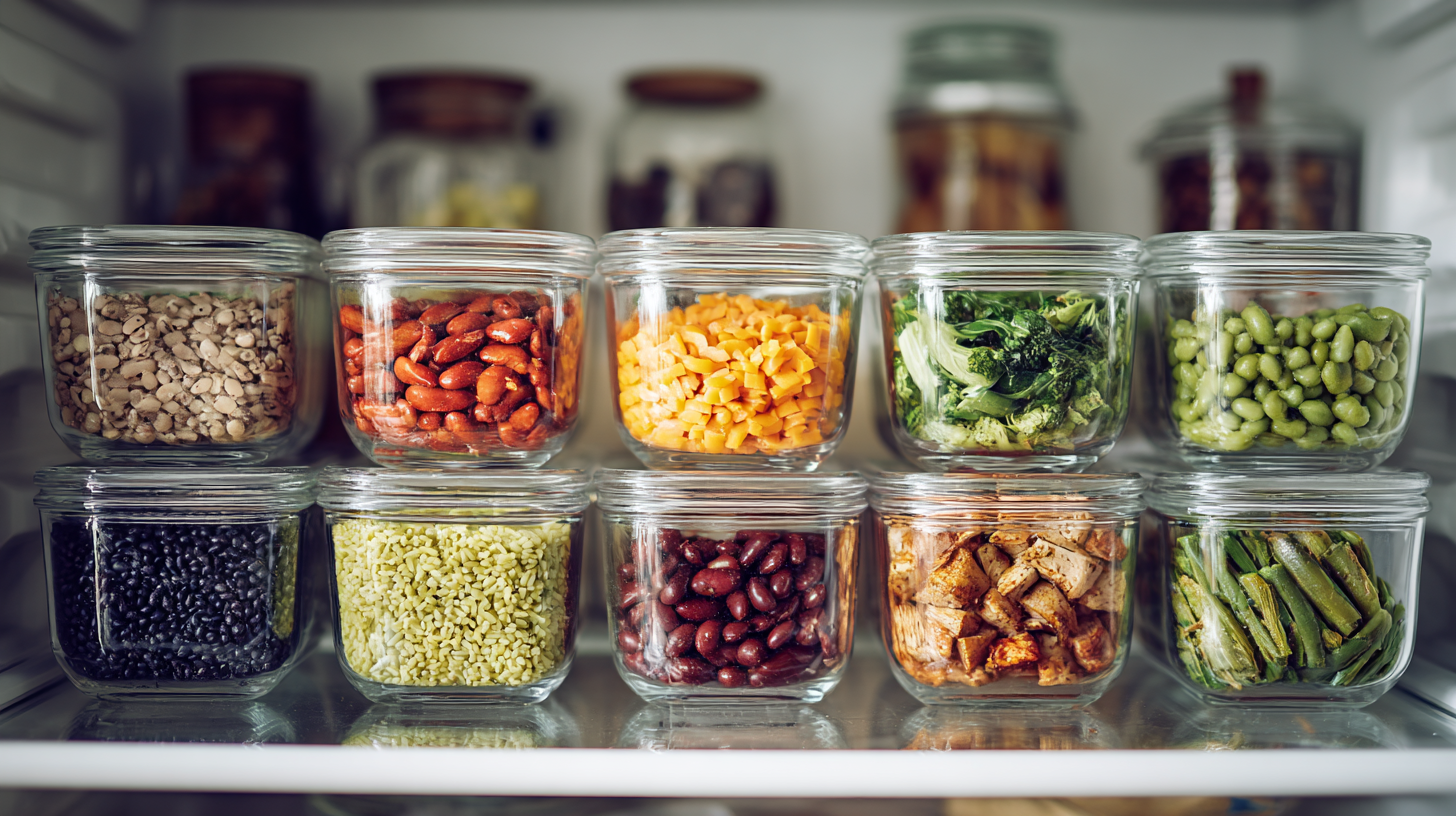
By the time midday or evening comes around, your body is asking for more than a snack in passing. This is where your earlier meal prep can do its best work—quiet, dependable lunches and suppers that are already waiting, needing only a bit of reheating and perhaps a squeeze of lemon or a handful of herbs. When you open the refrigerator and see honest meals portioned out, you feel a kind of relief, as if someone thought of you ahead of time. In truth, that “someone” was you on a calmer day, caring for the version of yourself who would be more tired.
Think first in terms of bowls and plates that can be assembled from your building blocks: a grain or starchy vegetable, a source of protein, and plenty of colorful vegetables. When you plan your week, choose two or three such combinations that you won’t mind repeating. For example, you might decide on a roasted vegetable and grain bowl, a hearty pot of soup or stew, and a simple stir-fry. These three, varied with different seasonings, can cover many lunches and dinners without becoming dull.
Let’s start with those grain and vegetable bowls, because they are among the easiest, most forgiving options for both healthy eating and convenience. On your prep day, cook a generous pot of brown rice, quinoa, or another whole grain. Roast two or three pans of mixed vegetables—perhaps broccoli, carrots, onions, peppers, and sweet potatoes—with a modest amount of oil, salt, and pepper. Prepare a protein to match your household: seasoned beans, lentils, baked tofu, or simple baked chicken if you use it. Once everything has cooled, assemble some complete bowls in containers: a base of grain, a layer of vegetables, and a portion of protein on top.
When it is time to eat, you may reheat a bowl in the microwave or oven, then finish it with something bright—a spoonful of salsa, a drizzle of tahini or yogurt, chopped herbs, or a squeeze of lemon. One day the same bowl can lean in a Mediterranean direction with herbs and olive oil; another day it can feel more like a Tex-Mex dish with beans, avocado, and a little lime. You are not cooking from the beginning each time; you are simply guiding the same good materials into slightly different shapes.
Soups and stews are another faithful friend for busy weeks. A large pot of lentil soup, vegetable stew, or chili takes no more stirring for eight portions than for two, yet it provides several ready meals. Choose a base that is kind to your nutrition: onions and garlic cooked slowly in a little oil, carrots and celery, perhaps some bell peppers, then lentils, beans, or split peas for strength. Add tomatoes, broth or water, and steady seasonings. Let it simmer gently while you attend to other tasks, and soon your kitchen will carry a fragrance that feels like shelter.
Once cooled, ladle the soup into individual jars or containers, leaving a bit of room at the top if you plan to freeze them. Label with the date, then place some in the refrigerator for the next few days and the rest in the freezer. On a rushed evening, you can reach for one, thaw or reheat it, add a slice of whole-grain bread or a scoop of rice, and sit down to a meal that warms you from the inside out. This is not just food; it is a small act of mercy toward your future self, who may arrive home later than planned.
Stir-fries also lend themselves well to reheating, provided you keep them simple and do not overcook them at the start. During your main cooking time, you might chop a generous pile of vegetables—broccoli, snap peas, carrots, onions, peppers, cabbage—and keep them in separate containers. When you have a bit of energy, cook a large batch of stir-fry using some of these vegetables along with your preferred protein: tofu cubes, tempeh, shrimp, or thin slices of chicken if that is part of your table.
Season the stir-fry with a basic sauce: low-sodium soy sauce or tamari, garlic, ginger, a touch of sweetness from honey or maple syrup, perhaps a bit of vinegar for brightness. Serve some of it fresh that evening over rice or noodles, and portion the rest into containers for later lunches and suppers. When reheating, add a splash of water or broth and warm it gently so the vegetables stay tender but not limp. You can scatter sesame seeds or peanuts over the top just before eating, giving it a fresh texture even days later.
For those days when you know you will have to eat at your desk or in the car between obligations, consider preparing a few “handheld suppers.” These might be whole-grain wraps, pitas, or burritos, assembled in advance and wrapped tightly. Fill them with beans or lentils, shredded vegetables, and perhaps some brown rice or quinoa. Use a spread that holds everything together and adds flavor—hummus, mashed avocado with lime, or a simple yogurt-based sauce. Some of these wraps can be eaten cold; others can be wrapped in foil and warmed in the oven or toaster oven for a more comforting meal.
Casserole-style dishes can serve you well if you choose recipes that rely more on vegetables and whole grains than on heavy dairy or refined starches. On your prep day, you might assemble a simple baked dish: a layer of cooked brown rice or quinoa, a layer of steamed or roasted vegetables, and a layer of beans or tofu mixed with a light tomato sauce or broth. Sprinkle with a modest amount of cheese if you use it, or a crumb topping made from whole-grain breadcrumbs and herbs. Bake until everything is hot and the top is lightly browned. Once cooled, portion it into squares or rectangles and store them in containers. These pieces reheat easily and hold their shape, making them simple to pack for work or enjoy at home when you are too tired to cook.
Salads can also be part of your lunch and dinner plan, but they require a bit of thought to survive several days without turning limp and dreary. The key is to keep the heartier ingredients together and the delicate leaves apart until close to eating time. On your prep day, wash and dry greens thoroughly, then store them in a large container with a clean cloth or paper towel to absorb extra moisture. Separately, prepare a “salad base” of chopped vegetables that keep well—carrots, cucumbers, bell peppers, red cabbage, radishes, and maybe some roasted chickpeas or beans.
When it is time to pack lunch, place a handful of the hardy vegetables and beans in a container, add a portion of grain if you wish, and keep the greens on top or in a separate small bag. Pack your dressing in a small jar to pour on just before eating. If you like, you can also build “jar salads” for two or three days at a time: dressing at the bottom, then sturdy vegetables and proteins, grains above that, and the greens at the top. At lunchtime, you simply shake the jar or tip it into a bowl. In this way, even a salad becomes a practical, pre-planned meal rather than a last-minute afterthought.
It may help you to keep a short list of what I will call “anchor meals”—simple, repeatable dishes that you know reheat well and that your household will actually eat. Perhaps your list includes a bean and vegetable chili, a vegetable-lentil shepherd’s pie, a tray of roasted vegetables with tofu, and a pan of baked pasta with extra vegetables tucked in. When your week is crowded, you do not have to go searching through cookbooks or websites. You simply choose two or three anchor meals, prepare them in larger quantities, and portion them for the days ahead. Over time, this list becomes one of your most valuable tools for keeping both your nutrition and your peace in steady order.
The way you portion and store these lunches and dinners can spare you from much frustration. Use containers that match how you actually eat: single-compartment bowls if you like everything mixed, divided containers if you prefer your food kept separate. After cooking, let the food cool until it is warm but not steaming, then portion it out. Place the containers you will eat within two or three days in the refrigerator and the rest in the freezer. Label them plainly—“chili, Tuesday,” “stir-fry, Thursday”—so you do not stand with the door open, trying to guess what is in which box.
As you grow used to this rhythm, you will find that the evenings themselves change character. Instead of coming home to an empty counter and the old question, “What shall we eat?” you come home to decisions already made. You may light the stove, warm a pot of soup or a prepared bowl, and sit down sooner. Your hunger is met with food that is steady and honest rather than something grabbed in haste. And as your body grows accustomed to this pattern of nourishing lunches and suppers, your energy for the rest of the day’s work—both seen and unseen—will be stronger and more even.
From here, it is a natural step to think about the small things that help you between meals: the snacks in your bag, the nuts and grains in your cupboard, the humble pantry staples that let you pull together a quick plate when plans change. Those, too, can be gathered and prepared in advance, turning moments of sudden hunger into quiet opportunities to care for your body with as much thoughtfulness as you give to your larger meals.
Snack and pantry staples for all-week energy
The hours between meals often reveal what we truly believe about caring for our bodies. When energy dips in the middle of the afternoon or late at night, it is easy to reach for whatever is nearest, especially if the day has already taken a toll. Yet these small choices, multiplied by weeks and years, quietly shape your health, your focus, and even your temper. With a little foresight in your meal prep, snacks and pantry staples can become steady helpers instead of unplanned hazards.
Begin by asking yourself what you want your snacks to do. Are they simply a distraction when you feel restless, or are they tools to carry you calmly from one meal to the next? A wise snack has three simple traits: it steadies your blood sugar, it offers at least a little protein or healthy fat, and it is modest enough not to take the place of a proper meal. When you choose snacks with intention, they become part of your overall healthy eating, rather than something you feel you must “make up for” later.
One of the simplest foundations for better snacking is the humble nut. Almonds, walnuts, peanuts, pistachios, and others are rich in healthy fats and protein, and a small handful can carry you for hours. On your prep day, portion nuts into small containers or bags—enough for a snack, not a whole day’s worth. You might mix them with a few raisins or other dried fruit, but keep the fruit modest so the mixture does not become a disguised candy. When hunger nudges you in the middle of the day, that ready portion is far gentler on your body than a pastry or a sugary drink.
Fresh fruit is another faithful ally, provided it is easy to reach and ready to eat. Wash apples, pears, and grapes ahead of time and keep them where your eyes fall first when you open the refrigerator. Peel and portion oranges or cut melon into cubes for the next day or two. Place a bowl of whole fruit on the counter where you normally drop your keys or sort the mail: a quiet reminder that nature has already provided sweet, nourishing snacks if you will only choose them. Ask yourself: if the apple were always closer than the bag of chips, how differently might your days feel?
Vegetables can also become snacks when you treat them with the same kindness and readiness you give to sweets. On your main kitchen day, cut carrots, celery, bell peppers, and cucumbers into sticks or slices, then store them in clear containers with a bit of water or a damp cloth to keep them crisp. Pair them with simple dips: hummus, plain yogurt mixed with herbs, or a modest spoonful of nut butter for celery sticks. When the evening weariness comes and your hand is searching the refrigerator for something to crunch, these prepared vegetables offer both satisfaction and better nutrition.
Whole-grain crackers, rice cakes, or small pieces of whole-grain toast can serve as a base for more substantial snacks. The grain itself offers steadier energy, but it is what you place on top that truly matters. A smear of hummus with sliced cucumber, a layer of mashed avocado with a sprinkle of salt and pepper, or a thin spread of nut butter with banana slices turn a plain cracker into a small, balanced mini-meal. Prepare a few of these combinations ahead of your busiest days, wrapping them tightly so they stay fresh, and you will be less tempted by quick, processed bites that leave you hungry again too soon.
For those who need something a bit sweeter, homemade snack bars or energy balls can be a wise alternative to store-bought treats, which often carry more sugar and additives than your body needs. Stir together oats, a modest amount of honey or maple syrup, nut butter, seeds, and finely chopped dried fruit. Press the mixture into a pan and chill, then cut into small bars or roll into balls. Store them in the refrigerator or freezer. Because you have chosen every ingredient, you can keep their sweetness under your own guidance while still enjoying something that feels like a treat.
Yogurt cups are another practical tool, especially if you choose plain versions and add your own toppings. On your prep day, portion yogurt into jars or containers; keep a small jar of toppings—nuts, seeds, and perhaps a spoonful of granola—nearby. When you are ready for a snack, you can add fruit and your crunchy mix on top. This turns a simple dairy or plant-based yogurt into a balanced mini-meal that supports your healthy eating goals rather than working against them.
Beyond the refrigerator, your pantry itself can become a quiet defense against hurried, less nourishing choices. Keep it stocked with beans, lentils, and chickpeas—canned for quick use, or dried if you are willing to cook them in larger batches and freeze portions. A can of beans rinsed and tossed with olive oil, vinegar, and herbs can become a five-minute snack or side dish that is both filling and gentle on your budget. Whole grains like brown rice, quinoa, oats, and barley can also be cooked ahead and stored in the refrigerator or freezer, ready to be turned into quick bowls or stirred into soups when you need a more substantial bite.
Consider also keeping a small, thoughtful “emergency shelf” for the days when life tilts suddenly. On this shelf you might place unsalted nuts, plain popcorn kernels for air-popping, whole-grain crackers, canned vegetables like green beans or tomatoes, and simple tomato sauce. With just these items and perhaps a pot of pre-cooked grains from your freezer, you can assemble a modest but honest meal in minutes. Imagine the peace of knowing that, even if plans crumble and you arrive home late, you are still only a few humble steps away from something warm and nourishing.
Hydration, too, belongs in this conversation. Often what we read as hunger is quiet thirst. Keep a simple water bottle near you through the day, and consider herbal teas or lightly flavored water (with slices of lemon, cucumber, or herbs) if plain water feels difficult. Before you reach automatically for a snack, pause and drink a glass of water first. Notice how often that small act steadies you, and ask yourself what your body was truly seeking.
If you carry a bag, backpack, or keep a drawer at work, treat it as an extension of your pantry. Stock it once a week with a few steady items: a packet of nuts, a piece of fruit, a small container of homemade trail mix, perhaps a single-serve packet of nut butter and a few whole-grain crackers. When the clock stretches long between meals or your schedule shifts unexpectedly, you will not be at the mercy of vending machines or fast food. In those moments, what it means to have practiced wise meal prep becomes very clear.
It is worth pausing to notice how your emotions and thoughts are tied to your snacking habits. Do you reach for food when you are bored, anxious, or lonely, even when your body is not truly hungry? Do certain times of day invite more impulsive choices? Instead of scolding yourself, grow curious. Keep a small note for a week: when you reach for a snack, ask, “What am I truly needing right now—fuel, comfort, or distraction?” This gentle observation can open the door to wiser choices and deeper understanding.
For households with children, the snack drawer or shelf can either work against you or become one of your strongest tools. Choose a particular shelf for snacks and fill it mainly with items you are glad for them to eat regularly: fruit cups packed in their own juice, small bags of nuts or seeds (if age-appropriate), whole-grain crackers, and maybe a few homemade muffins. Place more sugary or highly processed treats, if you keep them at all, out of everyday sight and treat them as occasional, named treats rather than constant options. As young ones see that “snack” usually means fruit, vegetables, or simple whole foods, you are teaching them without many words what normal eating looks like.
Your freezer is another hidden ally for all-week energy. Freeze small containers of cooked beans, grains, and soups labeled clearly with names and dates. Keep a bag of frozen vegetables on hand—peas, spinach, mixed vegetables—that you can toss into a quick skillet or soup base. In ten minutes, you can turn a handful of freezer staples into a simple meal that steadies both body and mind. When you open your freezer, do you see chaos and forgotten packages, or a quiet storehouse of planned strength?
All of this raises a deeper question: how might your days change if your snacks and pantry were arranged deliberately in favor of your long-term health, rather than your momentary cravings? What would it mean to view every handful of nuts, every piece of fruit, every quickly assembled bowl as part of a much larger pattern of care for your body, your mind, and the work you are called to do? As you rearrange a shelf or portion out a week’s worth of snacks, you are not simply moving food around; you are shaping the story your habits will tell about what you value.
- How many snacks should I eat in a day during a busy week?
- Most people do well with one to two planned snacks between meals, depending on how many hours pass between breakfast, lunch, and dinner. Aim to snack when you are genuinely hungry, not just restless, and choose foods that include some protein or healthy fat so they carry you calmly to your next meal.
- What makes a snack “healthy” versus just extra calories?
- A healthy snack supports your energy and focus without causing a sharp rise and fall in blood sugar. Look for options that combine fiber, protein, and healthy fats—like nuts with fruit or vegetables with hummus—rather than snacks made mostly of sugar and refined flour.
- How can I stop reaching for processed snacks when I am tired?
- The key is to make better options easier than the processed ones. Prepare simple snacks in advance—washed fruit, cut vegetables, portioned nuts—and keep them at eye level in your refrigerator or pantry, so when you are weary, your hand naturally falls on something that truly nourishes you.
- What pantry staples are most useful for quick, nourishing snacks or small meals?
- Beans, lentils, oats, brown rice, canned tomatoes, nuts, seeds, and whole-grain crackers form a strong foundation. With these on hand, you can quickly assemble things like bean salads, oat bowls, simple soups, or grain-and-vegetable plates that fit into a pattern of steady nutrition.
- How long can prepped snacks like cut vegetables and homemade bars safely last?
- Cut vegetables usually keep well in the refrigerator for 3–4 days if stored in airtight containers with a bit of moisture control, such as a damp cloth or paper towel. Homemade bars or energy bites often last a week in the refrigerator and a month or more in the freezer when well wrapped.
- What should I keep at work or in my bag for days when meals get delayed?
- Choose shelf-stable items that will not spoil: small packets of nuts, unsweetened dried fruit, whole-grain crackers, single-serve nut butter, and perhaps a low-sugar granola bar whose ingredients you recognize. These simple supplies can keep you from turning to vending machines or skipping meals altogether when your day does not go as planned.
- How do I handle late-evening hunger without sabotaging my healthy eating goals?
- First, check whether you are truly hungry or simply tired or seeking comfort; sometimes a glass of water or a calming activity is what you need. If you are genuinely hungry, choose a light, balanced snack such as yogurt with fruit, a small handful of nuts with an apple, or vegetables with hummus—foods that satisfy without leaving you heavy before sleep.
Ashland Ashland Sabbath Chapel
Beside our live streamed church services, all are welcome to attend our church in person each Saturday beginning 10:00 AM Central Time by going to 2425 Owens Rd., Ashland, AL 36251. There is no cost and any donations are strictly voluntary.
For questions, call +2563547124.