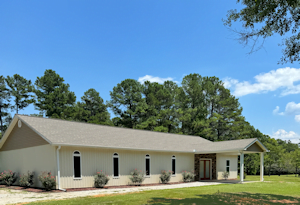
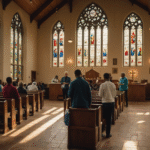
Come join Ashland Sabbath Chapel Ministries each Saturday for live streamed church services. Bible Study begins at 10:00 AM Central Time and Sermon at 11:00 AM. Visit Our YouTube channel and watch from home!
In recent years, there has been a growing interest in the concept of spiritual healing, particularly as various studies have begun to explore its effects on health and wellness. Perhaps it is important to understand that this interest is not purely anecdotal; significant evidence supports the viability of spiritual healing practices. Throughout history, cultures worldwide have embraced the idea that a connection to the spiritual realm can facilitate recovery and enhance well-being.
Scientific investigations have sought to unravel the mysteries surrounding spiritual healing. Research has revealed that practitioners often experience profound transformations in both mental and physical health conditions. Many studies document the physiological changes observed in patients who engage in spiritual healing practices such as prayer, meditation, and energy healing. For example, studies have shown that those participating in group prayer sessions report reduced anxiety levels, improved mood, and a greater sense of community and support.
One compelling study involved individuals with chronic pain who participated in a spiritual healing intervention. These participants not only reported diminished pain levels but also demonstrated measurable improvements in physical function and emotional well-being. The findings indicate the potential of spiritual healing as a complementary approach within traditional medical frameworks.
Moreover, advancements in neuroimaging technologies have enabled scientists to observe changes in brain activity associated with spiritual practices. For instance, meditation has been shown to activate areas of the brain linked to emotional regulation and pain relief. This biophysiological evidence further strengthens the argument that spiritual approaches contribute meaningfully to overall health.
It is also noteworthy that the evidence for spiritual healing extends to its applications in various healthcare settings. Hospitals and clinics increasingly acknowledge the importance of addressing patients’ spiritual needs alongside their physical ailments. Integrative health models that incorporate spiritual assessments and interventions have been shown to enhance patient outcomes, revealing a powerful connection between spirituality and health.
As the field evolves, maintaining an open dialogue between scientific inquiry and spiritual practice remains essential. Embracing the potential of spiritual healing offers hope and growth in the realm of human wellness.
The mechanisms of spiritual healing
Understanding how spiritual healing works can be a fascinating journey that blends art with science. When we talk about the mechanisms behind spiritual healing, we often explore how these practices influence the mind and body. One of the fundamental concepts here is the interaction between consciousness and physiological processes. The essence of spiritual healing lies in its ability to foster a deeper connection between the individual and their inner self, as well as a broader connection to the universe.
One mechanism involves the practice of mindfulness. Techniques such as meditation, which promote a state of mindfulness, have been shown to lead to changes in brain structure and function. Research indicates that individuals who regularly meditate can experience thicker prefrontal cortices, an area of the brain associated with executive functions like decision-making and emotional regulation. This suggests that when we engage in spiritual practices, we are not merely tapping into vague notions of wellness; we are actively reshaping our neural pathways, which can lead to lasting changes in behavior and emotional health.
Another key mechanism is the power of intention. Spiritual healing often involves focused intention, whether it’s from the healer or the person seeking healing. This can create an energetic space conducive to healing. Studies in the field of quantum physics hint at how intention can influence physical reality. For example, an experiment known as the “double-slit experiment” demonstrates how the act of observation can affect the behavior of light particles. While it might seem abstract, it suggests that consciousness can impact physical matter, hinting at a similar dynamic present in spiritual healing practices.
In addition, energy healing practices like Reiki and Qi Gong are based on the idea that we all possess a life force or energy that flows through us. When this energy is blocked or depleted, it can lead to illness. Practitioners of these modalities believe that by channeling energy or restoring balance, they can enhance the recipient’s well-being. Scientific investigations into energy healing continue to unveil intriguing results; for instance, blood samples taken before and after energy healing sessions have occasionally demonstrated changes in the markers of stress and inflammation.
Furthermore, the integration of spiritual and psychological healing aligns with the concept of mind-body medicine. This approach recognizes that our mental state can influence our physical health. In therapy settings, combining traditional psychological methods with spiritual practices can create a more holistic healing experience. Techniques such as guided imagery and visualization often incorporate spiritual elements to promote healing, revealing how interconnected our mental and physical health truly is.
Even the mere act of connecting with a supportive community can be a powerful healing mechanism. Participation in spiritual gatherings, whether it’s group prayer, meditation circles, or community rituals, fosters a sense of belonging and psychological safety. Studies suggest that positive social connections can lead to lower levels of stress hormones, improved heart health, and enhanced overall wellness.
These mechanisms together create a multifaceted tapestry that highlights the incredible intersection of spirituality and healing. As more research comes to light, the understanding of how spiritual healing operates will continue to expand, potentially reshaping the landscape of health and wellness practices for the future.
Case studies and personal experiences

Personal narratives and case studies in spiritual healing provide illuminating insights into the experiences of individuals who have engaged with these practices. These stories often reflect profound transformations, showcasing the impact of spiritual healing on health and wellness in a deeply meaningful way. For instance, consider the case of a woman named Sarah, who struggled with debilitating anxiety and depression for years. Traditional therapies offered limited relief, and it was only after she began participating in a community meditation group that she found significant improvement. Through sharing her experiences in a supportive environment, she not only learned techniques to manage her anxiety but also discovered a sense of connection with others that was paramount to her healing journey.
Another compelling example comes from a study involving cancer patients participating in guided visualization and meditation. Many participants reported not only improvement in their emotional state but also a noticeable enhancement in physical symptoms. They described feeling more at peace, having greater control over their circumstances, and in some cases, even experiencing reductions in pain and side effects from treatments. Such experiences are often underscored by a potent undercurrent of hope and resilience. A participant named James articulated this well when he stated that the meditative practices allowed him to approach his illness with a psychological toolkit that made it easier to cope and find joy amidst his struggle.
The impact of spiritual healing is further supported by a range of qualitative research studies examining personal testimonies. These narratives often emphasize aspects of healing that transcend the physical, pointing to a holistic understanding of health that encompasses emotional, psychological, and spiritual dimensions. In one study, over 70% of respondents attributed their recovery from chronic illnesses, such as autoimmune disorders and PTSD, to their involvement in spiritual practices. They described feelings of connection to a higher power, which fostered a profound sense of support and purpose in their lives.
Interestingly, the practice of energy healing is also home to numerous personal accounts that illustrate its effectiveness. A woman named Maria, who suffered from severe migraines for years, turned to Reiki after conventional medicine failed to alleviate her symptoms. After several sessions, she reported not only diminished frequency and intensity of her migraines but also a renewed sense of vitality and calm. Her case highlights how personal experiences can illuminate the often invisible benefits of spiritual healing practices.
These case studies and anecdotes allow us to appreciate the nuanced ways in which spiritual healing can impact individuals’ lives. They reinforce the idea that healing is not just about eliminating symptoms but also about fostering empowerment, community, and understanding. The richness of these stories underscores the possibility that when individuals engage in spiritual healing, they may open themselves to new pathways for wellness and fulfillment.
Comparative perspectives on healing practices
Exploring different cultural practices reveals a rich tapestry of modalities that reflect the diverse approaches to healing. Each tradition carries its own philosophies and underlying beliefs about the nature of health and well-being. Take, for instance, the indigenous healing practices found among Native American tribes. These often involve connection to nature, rituals, and the spiritual guidance of healers. Such practices emphasize the idea that health is not merely the absence of disease but a harmonious balance between body, mind, and spirit, a view echoed by many other cultures worldwide.
In contrast, Traditional Chinese Medicine (TCM) presents a unique perspective on wellness and healing through the lens of energy flow, known as “Qi.” TCM approaches health holistically, focusing on restoring balance within the body and with the surrounding environment. Techniques like acupuncture, herbal remedies, and Qi Gong offer pathways to healing that align closely with the principles of spiritual healing—both seek to address the individual as a whole, rather than treating isolated symptoms.
In Western medicine, the emergence of integrative practices signals a growing recognition of spiritual healing’s value. For many in the medical community, it has become essential to consider the emotional and spiritual dimensions of a patient’s experience. Research supports this emerging paradigm. A meta-analysis by the National Center for Complementary and Integrative Health found that spiritual healing interventions can lead to improved health outcomes, particularly for patients facing chronic conditions (NCCIH, 2021). This paradigm shift encourages a dialogue between traditional medical practices and spiritual approaches, promoting a more comprehensive understanding of wellness.
Another interesting case can be found in the African healing traditions, where the role of the healer often intertwines with community and spirituality. Healing ceremonies, led by respected healers or shamans, often take place in communal settings. These gatherings emphasize collective well-being and can produce profound shifts in the participants’ health. They do not merely seek to alleviate physical ailments but to restore social harmony and emotional balance, blending spiritual healing with social practices.
Each of these traditions, despite their differences, underlines a common belief in the interconnection of spirit and body. The blending of various healing practices in modern integrative health models can create diverse pathways for individuals seeking health and wellness. As more people turn towards spiritual healing, it becomes evident that these practices serve not only as alternatives but as enrichments to traditional medical approaches, encouraging a holistic view of health that respects and honors the individual’s spiritual journey.
As we continue to research and compare these perspectives on healing, it is clear that a deeper understanding of how spiritual healing integrates with various health systems has the potential to reshape our overall approach to wellness. The promise lies not in discarding traditional methods but in weaving them together with spiritual practices to offer a truly comprehensive system of care.
The future of spiritual healing research

The landscape of spiritual healing research is rapidly evolving, capturing the attention of health professionals, scientists, and spiritual practitioners alike. As the body of evidence supporting the efficacy of spiritual healing grows, so does the curiosity surrounding it. Future research endeavors are poised to explore various dimensions such as the neurobiological underpinnings, efficacy in different populations, and the integration of spiritual practices within conventional medical frameworks.
New methodological approaches are vital for deeper understanding. For instance, the advent of advanced imaging techniques allows researchers to study how spiritual healing practices influence brain function. Incorporating quantitative measures, such as physiological markers of stress and well-being, can create a more robust understanding of how these practices affect health outcomes on a physiological level. The potential for longitudinal studies is particularly exciting. By observing individuals over extended periods, researchers can gather invaluable insights into the long-term benefits of spiritual healing interventions and their impact on chronic conditions.
Another promising avenue is the growing intersection of technology and spiritual healing. Virtual platforms for meditation, prayer groups, and online spiritual communities provide unprecedented access to healing practices. Researchers can examine the effects of these digital mediums on a broader population, analyzing the influence of communal support via technology on individual well-being. The implications of connecting individuals across geographical boundaries using virtual space can redefine the accessibility and effectiveness of spiritual healing.
Exploring diverse populations is also crucial for understanding the nuanced roles spirituality plays in different contexts. Cultures around the world have their unique healing practices intertwined with their spiritual beliefs. Comparative studies can yield insights into how adapting spiritual healing practices to fit cultural contexts may enhance their effectiveness. This exploration can significantly contribute to global health initiatives, particularly in underrepresented communities, where access to conventional medical care may be limited.
The integration of spiritual and medical practices also calls for a paradigm shift in the training of health professionals. By fostering a greater appreciation for the intersection of spirituality and medicine, future healthcare providers can implement holistic approaches to patient care. Research focusing on training programs that include elements of spiritual care will be instrumental in shaping a new wave of healthcare that acknowledges the multifaceted nature of health and wellness.
As the science behind spiritual healing progresses and diversifies, it encourages us to think critically about our understanding of health. What more can be learned from cultures that have long embraced the integration of spiritual practices in healing? How can future research harness the coexistence of science and spirituality in complementary ways? These questions propel the pursuit of knowledge forward and underscore the limitless potential lying at the intersection of science, healing, and spirituality.
- What is spiritual healing?
- Spiritual healing refers to practices that aim to promote healing through spiritual means, often involving the mind, body, and spirit connection. These practices can include meditation, prayer, energy healing, or community rituals, each designed to foster well-being and balance.
- How does spiritual healing work?
- Spiritual healing works by fostering a deeper connection between individuals and their inner selves or the universe. It often employs mechanisms such as mindfulness, intention, and community support to facilitate emotional, psychological, and physical healing.
- Is spiritual healing scientifically recognized?
- While spiritual healing has been met with skepticism in some scientific circles, an increasing body of research is demonstrating its benefits. Studies have shown that spiritual practices can positively influence mental and physical health outcomes, leading to a greater acceptance within the medical community.
- What are some examples of spiritual healing practices?
- Common examples of spiritual healing practices include meditation, prayer, Reiki, Qi Gong, and various forms of energy healing. Additionally, participation in community support groups and spiritual gatherings can also be considered forms of spiritual healing.
- Can spiritual healing replace conventional medical treatment?
- While spiritual healing can complement conventional treatments and enhance overall wellness, it is not a substitute for medical care. It’s often most effective when used in conjunction with traditional medicine, addressing the whole person: body, mind, and spirit.
- Do I need to belong to a specific religion to benefit from spiritual healing?
- No, spiritual healing practices can be beneficial regardless of an individual’s religious beliefs. Many practices, such as meditation and mindfulness, are secular and accessible to anyone seeking enhanced well-being.
- How can I get involved in spiritual healing?
- Getting involved in spiritual healing can be as simple as exploring meditation, joining a local spiritual community, or attending workshops. Finding a practice that resonates with you is key, so consider trying different approaches to see what works best.
Ashland Sabbath Chapel Ministries
Beside our live streamed church services, all are welcome to attend our church in person each Saturday beginning 10:00 AM Central Time by going to 2425 Owens Rd., Ashland, AL 36251. There is no cost and any donations are strictly voluntary.
For questions, call +2563547124.