Come join Ashland Sabbath Chapel Ministries each Saturday for live streamed church services. Bible Study begins at 10:00 AM Central Time and Sermon at 11:00 AM. Visit Our YouTube channel and watch from home!
Art therapy serves as a bridge between the turmoil of the mind and the tranquility of the spirit. It creates a vital space for expression when words fail. In this healing process, a person can engage with their emotions, fears, and hopes through the medium of creativity. The colors, shapes, and forms they choose to create often reflect a deeper narrative, one that might be buried beneath layers of pain or confusion.
Art therapy nurtures the path to recovery by allowing individuals to explore their feelings in a non-verbal way. Imagine someone who has faced loss: rather than discussing their grief, they might paint a landscape that mirrors their internal state. Each brushstroke becomes a step towards understanding and healing.
People often enter art therapy unaware of the potential it holds. They may think it is simply about making pretty pictures, but the truth runs much deeper. For example, a 35-year-old woman grappling with severe anxiety found solace in creating collages. Through the process, she learned to visualize her anxiety and transform it into a manageable form. The act of arranging each piece provided her with a sense of control, a stark contrast to the chaos she felt inside.
Moreover, art therapy has been shown to have physical benefits as well. Studies indicate reduced stress levels, decreased blood pressure, and improved immune responses in individuals engaged in creative activities. When one immerses themselves in the creative process, the body often responds positively. It is as though the act of creating harmonizes the mind and body, aligning them towards a state of health.
It is not just the act of creating that aids in healing but also the experience of sharing one’s creations with others, whether it be in a group or one-on-one setting with a therapist. This exchange fosters a sense of community and understanding, counteracting feelings of isolation or loneliness often felt during tough times. Through art, connections are forged—therapeutic bonds that can lead to profound personal revelations.
In essence, the role of art therapy in healing is profound. It invites individuals to confront their emotions and spirituality through a vibrant, sensory experience, facilitating greater awareness and acceptance. The journey of creativity not only promotes health but also paves the way toward spiritual awakening and growth.
Understanding spiritual health
To dive deeper into the essence of spiritual health, we must explore its multifaceted nature. At its core, spiritual health relates to finding purpose and meaning in life, fostering connections with oneself, others, and perhaps a higher power or the universe. It transcends religious affiliation, encompassing an individual’s beliefs, values, and the quest for fulfillment and understanding. This inner dimension of health plays a crucial role in how we navigate the complexities of life, particularly during challenging times.
Often, spiritual health is marked by a sense of balance and tranquility within. When individuals experience harmony in their beliefs and actions, their mental and emotional states improve significantly. However, when discord arises—whether from unresolved personal issues or external stressors—spiritual dissonance can manifest, leading to feelings of confusion, anxiety, and despair.
A vital aspect of nurturing spiritual health is self-reflection. Through practices like meditation or journaling, individuals can engage in profound introspection, examining their beliefs, aspirations, and the emotional currents that shape their existence. This journey inward enables the identification of barriers that obstruct spiritual growth. Furthermore, it opens the door for creative expressions that reflect one’s understanding of self and the world around them.
Creativity, intertwined with spirituality, acts as a catalyst for exploring and enhancing spiritual health. Engaging in creative practices, such as art therapy, can illuminate one’s spiritual path by providing a unique outlet for expression. The process allows for the visualization of inner landscapes, facilitating breakthroughs in understanding. For instance, an individual may choose to create a piece characterized by chaos, symbolizing their current state of disarray. As they work through this creation, the act itself can initiate a dialogue with their spirit, guiding them toward clarity and peace.
Moreover, art therapy serves to unite emotional and spiritual realms. The act of creating—a vivid representation of one’s thoughts and feelings—can lead to a deeper connection with the self and the surrounding community. It fosters a shared experience, echoing the interconnectedness of all beings; through the lens of creativity, barriers dissolve as stories are communicated not only through words but through the visual language of art.
As we consider spiritual health, it’s essential to recognize that the journey is deeply personal and evolves over time. Factors such as life experiences, societal influences, and emotional well-being all contribute to shaping one’s spiritual narrative. In this context, art therapy emerges as a powerful tool for exploration and healing, enabling individuals to navigate their spiritual terrain with greater awareness and intention.
Techniques used in art therapy

Art therapy utilizes a variety of techniques that harness the power of creativity to facilitate emotional and spiritual healing. Each method serves as a unique portal for individuals to access and articulate their innermost feelings. One widely used approach in art therapy is free drawing or painting. In this technique, individuals are encouraged to express themselves without the constraints of a predetermined subject. The freedom of choice in colors, shapes, and forms allows them to externalize their emotions in an organic manner. As they engage in the process, it becomes a meditative experience, promoting a therapeutic state of mind.
Another valuable technique is collage making. This method involves the assemblage of various images and materials to create a visual narrative that represents one’s feelings or experiences. By cutting, pasting, and arranging different elements, individuals can construct a metaphor for their internal struggles or aspirations. The tactile nature of working with various materials adds an additional dimension to the creative process, often enhancing the emotional release associated with art therapy.
Moreover, guided imagery is often incorporated into sessions, wherein a therapist leads individuals through a visual journey that encourages them to imagine a safe or peaceful place. This technique not only fosters relaxation but can also inspire the individual to create art that embodies that sense of safety or tranquility. Imagining serene landscapes or comforting symbols can ignite a sense of hope and grounding, bridging the gap between emotional distress and spiritual peace.
Group art therapy is another powerful approach that promotes social interaction and support among participants. In a group setting, individuals share their artworks, facilitating discussions that deepen understanding and empathy. It’s not uncommon for connections to form through shared experiences as one person’s artwork resonates with another’s journey. This collective experience fosters a sense of community, proving to be vital in the healing process, as loneliness often exacerbates emotional turmoil.
Additionally, using sculpture or clay work enables individuals to engage with their emotions in a three-dimensional form. The physical manipulation of materials can be particularly therapeutic for those who find it challenging to express their feelings verbally. The act of molding and shaping can also serve as a metaphor for their own journey of transformation, reflecting the possibility of change and renewal.
Another technique worth mentioning is the use of art journaling, where individuals combine creativity with reflective writing. This method encourages the integration of visual art and written expression, allowing participants to explore their thoughts and feelings more comprehensively. By documenting their experiences artistically, individuals can gain insight into their emotional landscape and experience a deeper connection with their spirituality.
Incorporating mindfulness into these techniques is essential as well. Mindfulness art therapy focuses on being present during the creative process, allowing individuals to observe their thoughts and emotions without judgment. This practice nurtures a sense of awareness, leading to enhanced emotional regulation and greater spiritual connection. The art created in this mindful state often serves as a testament to personal growth and understanding.
Through these diverse techniques, art therapy provides a multifaceted approach to healing. Each method invites individuals to delve into their experiences through creativity, facilitating a rich exploration of their emotional and spiritual lives. The act of creating becomes sacred—transformative journeys unfold on canvas, paper, or clay, revealing truths that may have been hidden away. In this way, creativity acts not only as a means of expression but also as a spiritual path leading to deeper health and understanding.
Case studies and success stories
As we traverse the landscape of art therapy’s influence, it is advisable to draw upon real-life instances wherein individuals have found remarkable healing through their artistic endeavors. One such poignant case involved a young man named Thomas, who struggled with the lingering shadows of past trauma. Initially hesitant to engage with any therapeutic practice, Thomas was introduced to art therapy through a community program. Under the gentle guidance of his therapist, he discovered a surprising affinity for paint. Each color he selected was imbued with meaning—the deep blues expressing sorrow, while the vibrant yellows symbolized fleeting moments of joy.
Over time, the canvases he created became windows into his soul. One particular piece stands out—a tumultuous swirl of colors that eventually transformed into a serene landscape. As he painted, he encountered a pathway from darkness to light, finding within him a resilience he had forgotten. This journey through art not only facilitated his emotional release but also kindled a sense of spirituality, as he began to reflect on the interconnectedness of his experiences and the beauty that can emerge from pain.
Another illustrative example unfolded in the life of a middle-aged woman named Eleanor, who, after facing a painful divorce, sought solace in the world of art therapy. In her initial sessions, she gravitated towards the technique of collage making. By cutting and assembling various images that resonated with her experiences, she crafted a visual narrative that articulated her grief and aspirations for renewal. Each juxtaposed element told a story—echoing her struggles and hopes.
Through the act of creation, Eleanor found empowerment. One particular collage captured her journey profoundly: a phoenix emerging from ashes, resplendent in hues of red and gold. This symbol resonated deeply, igniting within her a renewed sense of purpose and hope. The artwork became not merely a representation of her pain but a celebration of resilience and rebirth. Share the pieces she created with a supportive group of fellow art therapy participants; they constituted a community of understanding, validating her feelings and experiences in a manner that words often cannot.
Additionally, the stories of those who have integrated art therapy into their recovery from more severe mental health challenges cannot be overlooked. For instance, a young girl named Sophia, who was once engulfed by depression, discovered laughter again through her engagement with clay. As she molded and shaped figures—each one more whimsical than the last—something magical happened. The tactile experience of art therapy brought her joy, allowing her to express emotions she found too tangled to voice. Her journey into creativity served as a pathway to connecting with both herself and others, illuminating the powerful intersection of artistry and spirituality.
The transformative power of art therapy manifests in varied forms, each individual carving a unique path through their creative experiences. Whether it is through painting, collage, or clay work, the stories of Thomas, Eleanor, and Sophia reflect the undeniable link between creativity, emotional healing, and spiritual awakening. Their narratives reaffirm that art therapy is not merely an outlet for self-expression but a profound avenue towards holistic health—one that resonates deeply within the human spirit.
Integrating art therapy into daily practice
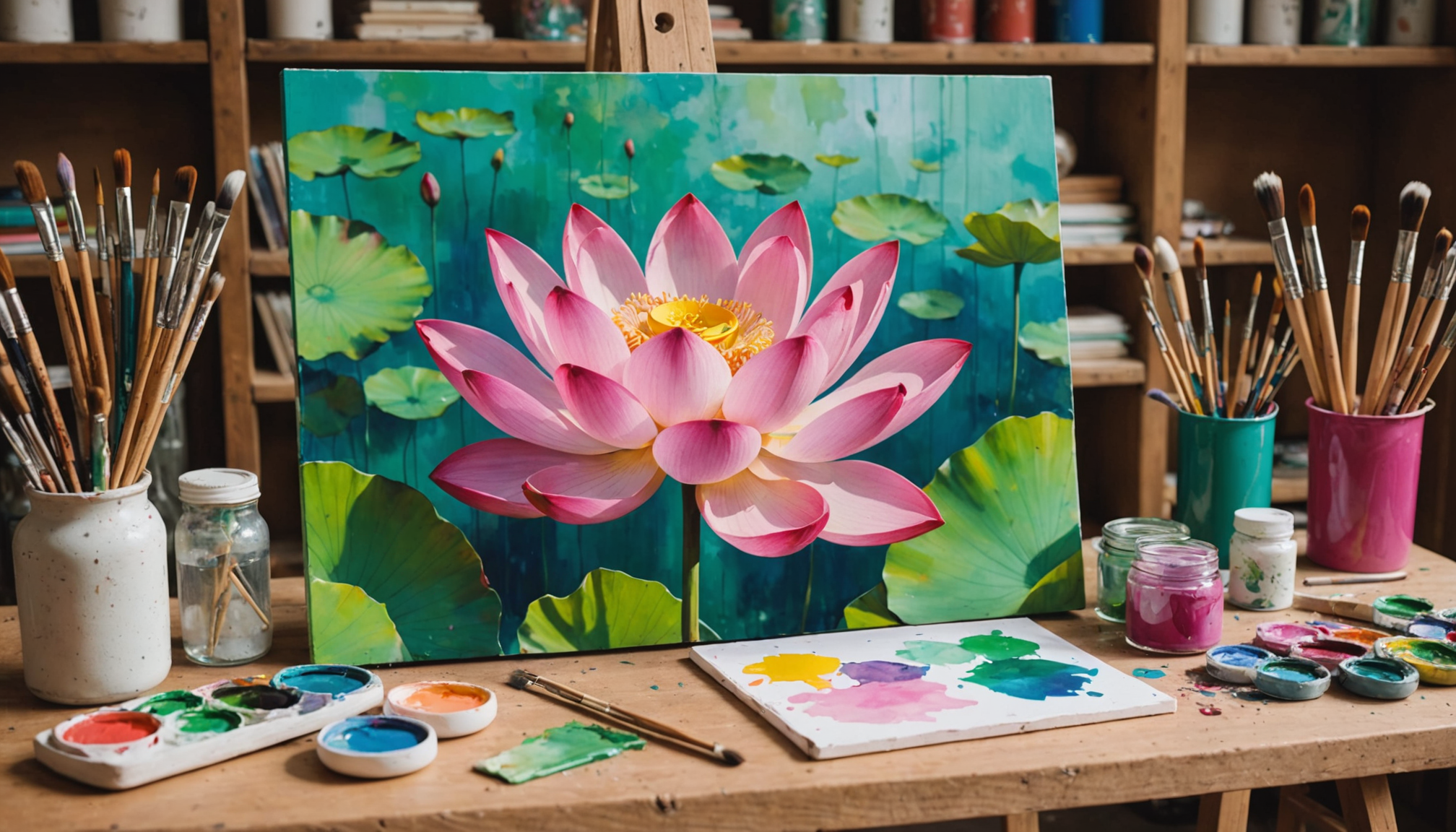
Integrating art therapy into daily practice can be an enriching experience that enhances both emotional well-being and spiritual health. The essence of art therapy lies in its ability to provide individuals with a unique platform for expression, reflection, and connection to their inner selves. To seamlessly incorporate these creative practices into everyday life, one need not have any prior artistic skills. Rather, it’s about embracing the process and allowing oneself to explore and express authentically.
One effective method is to establish a dedicated time for creative activities, whether this involves painting, drawing, or even crafting. Designating a ‘creative hour’ can help individuals immerse themselves in art therapy without distractions. It acts as a sanctuary for self-reflection, offering solace and a chance to engage with one’s emotions. During this time, individuals may choose to reflect on specific feelings or experiences they wish to express via their art. This process of translating emotions into tangible forms can significantly contribute to understanding one’s inner landscape and promoting spiritual growth.
Another approach is to integrate creativity into daily routines. For example, journaling could be enriched by art elements, using doodles, sketches, or color to amplify emotional discoveries. This technique fosters a deeper connection with thoughts and feelings, inviting a dialogue with the self that encourages personal insights and spiritual exploration.
Engaging in art therapy can also extend beyond solitary practice. Joining community art classes or workshops offers an opportunity for social interaction and collective healing. Sharing individual creations with others can built a sense of belonging and encourage discussions around common experiences. This communal aspect of art therapy nurtures interpersonal connections, reinforcing the idea that everyone’s journey is intertwined and enhancing the sense of spiritual interconnectedness.
Additionally, incorporating mindfulness into art therapy practices can deepen the experience. Remaining present in the moment while creating fosters awareness, where individuals observe their thoughts without judgment. This mindful engagement encourages acceptance of feelings, paving the way for spiritual insights. Techniques such as breathing exercises before starting a creative session can also help center the mind and promote a clear focus for expression.
Consider using natural elements or environment-inspired themes in creative activities to blend spirituality with the art-making process. For instance, finding inspiration in nature’s colors, textures, and forms can invoke a sense of peace and connection to the broader universe. This practice can transcend mere creativity, acting as a bridge to deeper spiritual experiences that enhance overall health and well-being.
- What is art therapy?
- Art therapy is a therapeutic approach that utilizes creative processes to improve mental, emotional, and spiritual health. It allows individuals to express themselves through various art forms, facilitating healing and self-discovery.
- How does art therapy promote spiritual health?
- Art therapy encourages individuals to explore their emotions and beliefs, leading to greater self-awareness and spiritual connection. Through creative expression, people can reflect on their life experiences and find deeper meaning and purpose.
- Can I practice art therapy at home?
- Yes, art therapy can be practiced at home by dedicating time for creative activities such as drawing, painting, or journaling. The key is to create a space where you feel comfortable expressing your emotions freely.
- Do I need artistic skills to benefit from art therapy?
- No prior artistic skills are necessary for art therapy. The focus is on the process of creation and self-expression, rather than the final product or artistic talent.
- How does mindfulness relate to art therapy?
- Mindfulness in art therapy encourages individuals to be present during the creative process, which can enhance emotional awareness and connection to spiritual insights. This practice allows for acceptance of thoughts and feelings without judgment.
- Can art therapy help with mental health issues?
- Yes, art therapy has been shown to be effective in addressing various mental health challenges, including anxiety, depression, and trauma. It provides a safe space for individuals to explore and process their emotions creatively.
- What materials can I use for art therapy?
- Art therapy can utilize a wide range of materials, including paint, clay, colored pencils, and collage materials. The choice of materials can enhance the creative process and is limited only by individual preferences.
Ashland Ashland Sabbath Chapel
Beside our live streamed church services, all are welcome to attend our church in person each Saturday beginning 10:00 AM Central Time by going to 2425 Owens Rd., Ashland, AL 36251. There is no cost and any donations are strictly voluntary.
For questions, call +2563547124.