Come join Ashland Sabbath Chapel Ministries each Saturday for live streamed church services. Bible Study begins at 10:00 AM Central Time and Sermon at 11:00 AM. Visit Our YouTube channel and watch from home!
You wake up late, the clock is loud in your head, and you are already behind. There is no time to cook. You still need to move, work, think, and not fall apart before noon. That is where quick grab-and-go snacks matter. They are the small things that keep you steady when the day tries to run you down.
The trick is to make speed your ally without letting it kill your nutrition. Most people grab whatever is closest: a pastry in a plastic sleeve, a candy bar, a coffee loaded with sugar. That is not food. That is a promise to be tired and hungry an hour later. What you want is food you can grab in ten seconds that will not make you crash by ten o’clock.
Start with fruit. It is the original grab-and-go food. An apple, a banana, a handful of berries in a small container—these do not need recipes or instructions. You wash them once, toss them in a bowl or bag, and they are ready. An apple and a small handful of nuts will hold you longer than a glazed donut ever will. The fruit gives quick energy; the nuts slow the burn.
Yogurt cups work the same way, if you choose the right ones. Go for plain or low-sugar Greek yogurt. It has more protein, so it sticks with you. You can keep a few in the fridge at home or at work. In the morning, you grab a cup, throw in a spoonful of oats or frozen berries, and you are done. No pan. No stove. Just a cold, solid snack that is ready in under a minute.
Think also about cut-up vegetables. They are not glamorous, but they are tough and honest. On Sunday night, you stand at the counter for ten minutes and slice carrots, cucumbers, and bell peppers. Put them in small containers. Through the week, you only reach into the fridge and pull out one box. Pair them with hummus or a little cheese. That is how you turn what looks like rabbit food into a real, steady snack.
There is power in a handful of nuts or seeds. Almonds, walnuts, pumpkin seeds, sunflower seeds—you keep them in a jar on your desk, in your car, in your bag. They do not spoil fast. They do not need to be cold. A small handful is enough. Not half the jar. Nuts are dense. Too many and the calories creep up on you. But the right amount keeps your hunger quiet and your head clear.
You can also make your own trail mix. Store-bought versions are often full of sugar and strange bits. You can do better with five minutes and a big bowl. Toss together unsalted nuts, seeds, and a little dried fruit. Maybe a few dark chocolate chips if you like. Stir, portion into small bags, and you have your own emergency rations. Throw two in your backpack and forget about them until that long meeting or traffic jam.
If you are always moving, convenience bars can help, but you have to choose with your eyes open. Many bars are candy wrapped in health claims. Read the label. Look for short ingredients you can pronounce: oats, nuts, fruit, maybe some egg whites. Watch the sugar and the strange syrups. A decent bar should feel like compact food, not dessert in disguise. Keep a few in your car’s glove box or your desk drawer for the days that ambush you.
- Fresh fruit (apples, bananas, oranges, berries in small containers)
- Greek yogurt cups with simple add-ins like oats or frozen fruit
- Pre-cut vegetables with hummus or cheese
- Small portions of nuts or seeds in reusable bags
- Homemade trail mix with nuts, seeds, and a little dried fruit
- Carefully chosen convenience bars with simple ingredients
Drinks count, too. Many people think they are hungry when they are only thirsty. Keep a water bottle with you. Plain water is fine, but you can drop in lemon slices or mint if that makes it easier to drink. If you like coffee, keep it simple: less sugar, more coffee. A black coffee with a handful of nuts beats a syrup-filled drink with nothing to chew.
It helps to make a “grab shelf” at home. One spot in the fridge or pantry where everything is ready to go: fruit, yogurt, boiled eggs, nut packs, veggie boxes, bars. When you are rushing out the door, you don’t think. You just reach to that shelf, grab two things, and leave. Planning once saves you from a hundred small bad choices later.
Think of these quick snacks as quiet allies. They do not shout. They do not glow on a billboard. They sit in your bag, your desk, your fridge, and wait for the hard hour. When the day runs hot and you start to fade, you reach for them instead of a sugar rush. That is how you stay sharp and steady when life will not slow down for you.
Protein-packed snacks for sustained energy
If our hurried mornings demand speed, our long days demand endurance. One may glide from meeting to message, from errand to errand, with an appearance of great vigor, and yet, without steady nourishment, the mind grows foggy and the temper short. The secret, my friend, lies in protein, that most patient of companions, which keeps one’s energy from swooping up like a lark and falling down like a stone. When you choose snacks rich in protein, you do not merely quiet your hunger; you bargain for several hours of calm, reliable strength instead of one bright, useless flare of sugar.
Our bodies, most inconveniently, cannot be run on coffee and determination alone. Protein slows the digestion of carbohydrates and helps keep blood sugar more even, which in turn keeps our mood and focus steadier throughout the afternoon’s trials. Modern research, dull in style but quite firm in conclusion, shows that higher-protein snacks can improve satiety and reduce later overeating, especially when compared with purely sugary choices or those composed largely of refined starches[1]. In simpler words: when your snack has enough protein, you are far less likely to be ravenous and irritable an hour afterwards.
You might begin with something wonderfully old-fashioned: the humble boiled egg. It is almost the perfect expression of nutrition in a small, portable shell—high in protein, rich in vitamins such as B12 and choline, and, if you prepare several at once, a model of convenience[2]. On a Sunday evening, you may boil half a dozen, let them cool, and keep them in the refrigerator. On Tuesday at 3 p.m., when you are quite certain you cannot survive the remainder of the day, you peel one, sprinkle a little salt and pepper, perhaps a dusting of paprika, and discover that life is not as terrible as you supposed.
If eggs are not to your taste, consider Greek yogurt once more, but now as the center of the occasion, not merely a quick afterthought. Greek yogurt contains more protein than its looser, sweeter cousins—often twice as much per serving—making it a worthy ally for sustained energy[3]. You may transform it into a small, elegant meal: stir in a spoonful of oats for slow-burning carbohydrates, a handful of berries for brightness and fiber, and a scattering of chopped nuts for even more protein and healthy fats. In less than five minutes, you possess a little bowl that could carry you calmly from mid-morning to lunch without a single dramatic faint.
Cheese, too, has its place, though it must be treated with respect rather than abandon. A small piece of cheddar, a few cubes of mozzarella, or a stick of part-skim string cheese offers a graceful amount of protein and fat in a truly portable form. Paired with sliced apple, grapes, or whole-grain crackers, it becomes balanced and charming rather than heavy and over-indulgent. Portion is the tender point here. If you cut the cheese into neat, modest pieces beforehand, you are far less tempted to carve off half the block in a moment of desperation.
Those who prefer plants to animals need not despair. Hummus, made from chickpeas, tahini, and a little olive oil, is an admirable high-protein companion, especially when your carriage—by which I mean your car—contains a box of sliced carrots, bell peppers, or snap peas awaiting their dip. Legumes such as chickpeas and lentils supply both protein and fiber, an alliance that research associates with increased fullness and improved appetite control[4]. A small container of hummus with vegetables may seem unimpressive beside some elaborate pastry, but two hours later, when you are still composed and the pastry-lover is wilting, the difference becomes quite clear.
For those times when the world tosses you from task to task, and you have not the leisure to peel nor slice nor stir, you may turn to portable, protein-focused snacks that are prepared in advance. Roasted chickpeas, for instance, are charmingly crisp and can be made ahead with very little trouble. Toss canned chickpeas with a little olive oil and seasoning, roast them in the oven until they are firm and golden, and then store them in small packets. They behave like nuts in the hand, yet offer both protein and fiber, and they lend the same satisfying crunch that one so often seeks in less wholesome foods.
Nuts themselves, especially when paired purposefully, form another stronghold of sustained energy. Almonds, pistachios, and peanuts are particularly generous with protein, and studies suggest that regular nut consumption is linked with better weight management and heart health, perhaps because their combination of protein, fiber, and healthy fat helps control hunger and reduce impulsive eating[5]. To keep them from becoming too generous in calories, you may portion them into small containers—about a quarter cup—and match them with an item of fruit. The fruit offers quick sweetness; the nuts keep that sweetness from rushing too eagerly into the blood.
On more chaotic days, one might be tempted to trust entirely to packaged protein bars, believing them to be the very embodiment of modern efficiency. Some of them are, indeed, quite decent, but one must examine them with the same care one would apply to a suitor’s character. Look first at the list of ingredients: if you recognize ordinary foods—oats, nuts, seeds, egg whites, dried fruit—you may be encouraged. If the list reads like a small novel of syrups and chemical curiosities, you may wish to place it back upon the shelf. Seek at least 8–12 grams of protein per bar, with modest sugar and a reasonable number of calories, so that it supports you without pretending to be dessert in a costume[6].
There are also bars and bites you may assemble with very little effort on a quiet evening, and they will obediently serve you throughout the week. Picture this: oats, a little peanut or almond butter, a drizzle of honey, and some ground flaxseed pressed together into small balls and chilled. Each one is a neat portion of protein, fiber, and healthy fat, perfectly suited to be slipped into a bag before you rush out of the house. Such homemade pieces give you control over both sweetness and size, saving you from what is often the greatest risk of commercial convenience—overeating by accident.
Whenever you choose among these possibilities, it helps to think of your future self as you would of a dear friend: what could you prepare now that will keep them from despair three hours hence? A snack rich in protein does more than still immediate hunger; it shapes the whole afternoon, making you steadily capable rather than momentarily excited and then utterly undone. If you keep boiled eggs in your refrigerator, Greek yogurt at your office, hummus and vegetables in your bag, and thoughtfully chosen nuts or bars within reach, your days become far less dependent on vending machines and impulsive choices.
In the end, the matter is less about willpower and more about arrangement. When protein-packed snacks are easy to reach and impulsive sweets a little farther away, the nobler choice becomes the simpler one. Step by small step—an egg here, a handful of nuts there, a jar of hummus waiting in the fridge—you trade scattered bursts of energy for a quieter, more reliable strength that lasts. And in a life as busy as yours, that steady strength is worth more than all the glitter of a sugar rush that vanishes before you have even answered your next email.
References
- [1] Leidy, H. J., & Campbell, W. W. (2011). The effect of eating frequency on appetite control and food intake: brief synopsis of controlled feeding studies. Journal of Nutrition, 141(1), 154–157.
- [2] Blesso, C. N., & Fernandez, M. L. (2018). Dietary cholesterol, serum lipids, and heart disease: Are eggs working for or against you? Nutrients, 10(4), 426.
- [3] Panahi, S., & Tremblay, A. (2016). Energy and macronutrient composition of breakfast and its effects on short-term appetite and energy intake. Nutrition, 32(3), 319–325.
- [4] Clark, M. J., & Slavin, J. L. (2013). The effect of fiber on satiety and food intake: A systematic review. Journal of the American College of Nutrition, 32(3), 200–211.
- [5] Jaceldo-Siegl, K. et al. (2014). Tree nuts are inversely associated with metabolic syndrome and obesity: The Adventist Health Study-2. PLOS ONE, 9(1), e85133.
- [6] Drewnowski, A., & Rehm, C. D. (2014). Protein intake and diet quality in the US. Nutrition Today, 49(2), 61–68.
Smart snacking at the office
If the home is the stage upon which we rehearse our best habits, the office is surely the place where they are put most cruelly to the test. You arrive with every good intention, perhaps even with a resolute speech in your heart about better nutrition, and then, at three in the afternoon, your noble resolutions are demolished by a plate of cookies in the break room or a vending machine that hums your name. The office, my dear, is less a workplace than a battlefield of snacks.
The only way to emerge triumphant is to make your own plans before the world makes its plans for you. Just as one would not walk into a ball without deciding first what to wear, one ought not to walk into the workday without the faintest idea of what one will eat between breakfast and dinner. The moment you depend upon chance, you surrender yourself to the whims of stale muffins and fluorescent candy bars. Yet with a little quiet arrangement, the office can become a place where your convenience and your health cooperate, instead of quarrel.
Begin with the small kingdom of your desk. It is not merely a place for pens and papers, but a pantry in miniature. Keep a drawer that belongs, heart and soul, to sensible snacks. A jar of almonds or pistachios; a tin of roasted chickpeas; a few individually wrapped nut-and-fruit bars whose ingredients you can pronounce without a chemistry degree. If your office allows it, a small bowl of fresh fruit—apples, mandarins, or bananas—upon your desk can be both a decoration and a promise that hunger will not catch you unawares.
To prevent these things from becoming too generous, you must make friends with portioning. It is quite remarkable how one can eat half a bag of nuts while answering two emails and scarcely remember the experience. To avoid such unmemorable extravagance, divide your nuts, trail mix, or roasted chickpeas into small containers or bags at the start of the week. A quarter cup here, a quarter cup there; thus you retain both your dignity and your waistband. When the mid-morning lull arrives, you simply take one portion and know, with calm satisfaction, that you are neither starving nor overdoing it.
The office refrigerator, though often an alarming place of forgotten lunches and mysterious containers, may also become your ally if you treat it with foresight. On Sunday evening, or perhaps Monday morning if you are bold, prepare several little boxes: one with sliced vegetables and hummus, another with Greek yogurt and berries, a third with cheese cubes and grapes, and perhaps one with a boiled egg or two. Label them with your name, stack them neatly, and suddenly your workweek holds several moments of civility that will not be stolen by the pastry box that arrives uninvited.
Imagine, for instance, that you have a long meeting from ten to noon. You know yourself well enough to foresee that by eleven thirty your thoughts will wander from the agenda to the question of lunch. Rather than depend upon the stale cookies someone inevitably provides, you tuck a small container of nuts and dried fruit, or a yogurt cup, into your bag beforehand. When the meeting grows tedious, you quietly rescue your own afternoon with a respectable, balanced snack instead of the crumbs of whatever happened to be ordered in haste.
Those who live at the mercy of back-to-back calls or endless emails may protest that they have not even time to peel a carrot. Yet this is precisely why we front-load the effort. It is far easier to slice vegetables or portion nuts once, in the calm of home, than to improvise something healthy at the very moment when your energy and patience are lowest. Think of your Sunday or Monday preparation as writing secret love letters to your future self: “Here,” you say gently, “I know you will be tired; I have arranged something better for you than the vending machine.”
Speaking of that notorious machine, it is often placed so cunningly that one must pass it in order to reach the restroom or the exit, like a suitor loitering in the hall. To resist its charms, you must not rely solely on willpower, which tends to be delicate by mid-afternoon. Instead, change the order of events. Before you face the vending machine, drink a glass of water and eat a small, prepared snack from your drawer or the office fridge—a handful of nuts, some baby carrots with hummus, or even half a banana. Once you are no longer in the throes of desperate hunger, you will find the bright packets behind the glass considerably less enchanting.
Meetings, in particular, are notorious for poor nutrition. The table groans under pastries at nine in the morning, pizza at noon, and something sweet and heavy at three. You may not be able to control what is provided, but you can most certainly control what you bring. If you know there will be a morning meeting with coffee, arrive with your own small plate: perhaps a boiled egg and some cherry tomatoes, or a slice of whole-grain toast from home spread with nut butter, wrapped in parchment like a respectable little sandwich. At lunch meetings, fill half your plate with any vegetables that have had the good manners to appear, then add the leanest protein available and the smallest necessary portion of whatever starch is on offer. And if the dessert tray comes sliding your way, take one small piece if you truly want it, or pass it altogether if your earlier snack has already satisfied you.
Of course, one must also attend to the matter of drink, for the office harbors many liquid temptations disguised as innocent refreshment. The flavored coffees, the sweetened teas, the fizzy sodas—each promises to “keep you going,” and each, in truth, tends to propel you upward in a bright sugar swoop and drop you unceremoniously a short time later. Keep a large water bottle at your desk, one so sturdy and constant that it becomes as much a part of your workday as your keyboard. If plain water feels too stern, float slices of lemon, cucumber, or a sprig of mint. Unsweetened tea or black coffee, taken in reasonable amounts, can be good companions, especially if paired with a protein-rich snack rather than a swirl of syrup and whipped cream.
It may also help to enlist your colleagues as allies rather than adversaries. If there is one person in the office who always supplies candy, perhaps propose a gentle alteration: a shared fruit bowl one week, a tray of cut vegetables the next. You need not launch a revolution; a few modest changes can shift the whole atmosphere. Suggest, too, that team celebrations include at least one wholesome choice—a plate of berries beside the cake, or a platter of cheese and grapes along with the chips. When healthier options become visible and normal, it is far easier to choose them without feeling like the odd creature of the office.
For the days when nothing goes as planned—when you are called into a surprise meeting, or your carefully packed lunch is left sitting dreamily on the kitchen counter—it is wise to maintain what I shall call an “emergency stash.” This is a small collection of shelf-stable items in your desk or locker that could, if necessary, form a very tolerable meal: a few cans or pouches of tuna or salmon, whole-grain crackers, a jar of nut butter, perhaps some shelf-stable milk or soy milk, and a packet or two of unsweetened oatmeal. With hot water from the office kettle and a spoon from your drawer, you can transform these plain ingredients into something that resembles a real meal far more than the forlorn pastries at the front desk.
Over time, as these habits settle into place, you will likely notice a subtle but decisive change in your days. The wild peaks and valleys of office hunger grow smoother. You do not stagger to lunch in a state of emergency, nor do you emerge from it so full that your keyboard becomes a pillow. Instead, you move through the day with a steadier mind and more even spirits, supported quietly by the snacks you arranged in your own favor. And once the office is tamed, at least in matters of food, you may turn your attention to the rest of your busy life—commutes, errands, and children—with the same calm strategy, carrying what you have learned at your desk into the wider, livelier chaos beyond its walls.
Healthy snacks for on-the-go families
The family morning is a storm. Shoes are lost. Homework hides. Someone is crying over a shirt. Someone else cannot find the keys. In the middle of all that, hunger waits like a quiet enemy. If you do not plan for it, it wins. The car becomes a place of crumbs and panic, fast food bags piling up like small regrets. But it does not have to be that way. With a little early effort, you can turn the rush into something almost gentle. You can make the car, the stroller, the sideline bench into places where your family eats honest food instead of whatever is fastest and loudest.
Think first about what your children reach for when they are hungry and tired. They do not ask for steamed kale. They ask for something sweet, or salty, or wrapped in a cartoon. The world has made this easy for them. Every gas station and snack stand sells toys disguised as food. Your job is not to fight them with long speeches, but to outsmart the chaos with better snacks that are just as easy to grab, and almost as fun.
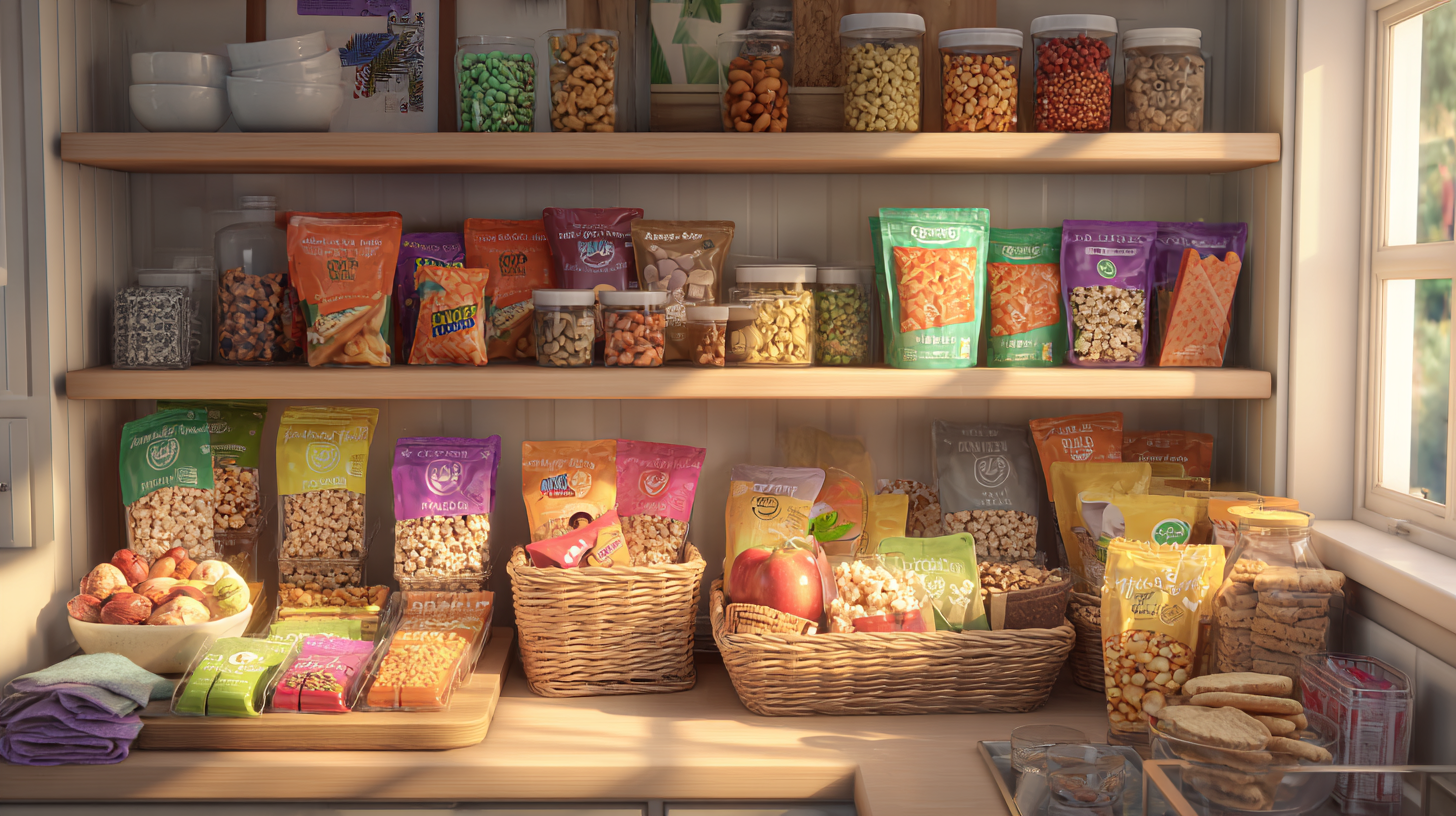
The only way this works is to build a small system. Not a perfect one. Just one that can survive a Monday morning. Start with a “go basket” in your kitchen—one bin in the pantry and one in the fridge that exist only for out-the-door food. Sunday evening, you stand there for ten or fifteen minutes and fill them. After that, you do not think; you only grab.
Into the pantry basket, drop things that do not mind the heat of the car or the bottom of a backpack. Little bags of nuts mixed with a few raisins. Whole-grain crackers in small sleeves. Unsweetened applesauce pouches. Plain popcorn you popped yourself and portioned into bags. A couple of protein or fruit-and-nut bars with short ingredient lists. These are your emergency rations for the days when everyone is in the car before you remember breakfast.
The fridge basket is for what needs the cold. Washed grapes in small boxes. Baby carrots. Snap peas. Cheese sticks. Yogurt tubes or cups. Hard-boiled eggs, already peeled if you can bear the trouble. Slices of bell pepper. Cut melon in small containers. You line them up like quiet soldiers and close the door. Each morning, you tell each child, “Grab two things from the fridge basket and one from the pantry basket.” No long negotiation. Just a simple rule that turns choice into a short, clean act.
Children, like adults, grow bored fast. If you give them the same snack every day, they will start to bargain for the drive-through instead. So keep the pattern steady but the details changing. This week, it might be grapes and cheddar cubes. Next week, orange slices and string cheese. One month, you do apple slices with peanut butter; the next, pear slices with almond butter. The shape of the habit stays the same; the flavor wanders a little, and that keeps everyone willing.
You can also turn small pockets of calm into preparation time. When dinner simmers and you are waiting, cut a bunch of vegetables for tomorrow’s lunches. When the kids do homework at the table, line up little containers and have them help portion trail mix or popcorn. Let them choose: two almonds or three? Raisins or cranberries? It is not about the exact count. It is about teaching them that good food does not appear by magic; someone, often you, had to think ahead. When they help, they are more likely to eat what they made.
For the tiny ones with small hands and big opinions, finger foods are your best allies. Think of snacks that can be eaten in a car seat without too much disaster. Soft fruit slices, like ripe pear or banana, in a little cup. Small pieces of cheese. Cooked peas or corn kernels that have cooled. Whole-grain cereal without added sugar. All of them travel well and do not need an adult hovering with a spoon. If you keep a small lidded container of these in your bag, your toddler can eat while you stand in line at the pharmacy or wait for a prescription, and the siren call of the candy rack grows weaker.
Older kids, with practices and lessons and endless after-school things, burn through food like fire through dry grass. They will inhale anything in sight when you pick them up. That is the dangerous hour—the one that leads straight to drive-through windows. You can blunt that hunger with something strong and steady. A banana with a single-serve packet of nut butter. A turkey-and-cheese roll-up made from a slice of turkey wrapped around a stick of cheese. A small tortilla spread with hummus and rolled into a tube. A Greek yogurt with berries and a sprinkle of granola. These hold them between school and practice without leaving them heavy and slow.
There is also the sideline life—the folding chairs, the dust, the cold metal bleachers under a gray sky. This is the land of concession stands, where “dinner” often means nachos and a soda. You cannot always control what the team sells, but you can pack your own quiet rebellion. A cooler bag with ice packs; inside, sliced apples, carrot sticks, cherry tomatoes, cheese sticks, hard-boiled eggs, cold water. Maybe a small container of trail mix for you. When the other parents line up for candy, your kids will notice that their food came faster, that their thirst is really quenched, that their stomach does not twist after three innings of sugar.
You do not have to be a saint. There can be days for snow cones and popcorn. But when those become the exception, not the routine, your children learn something about nutrition without a single lecture. They feel the difference between a body running on real food and a body crashing after soda. They may not have the words for it, but their moods and energy tell the story.
Of course, there will be days when nothing goes as planned. You oversleep. The fridge is bare. The bag you meant to pack sits lonely on the counter while you sit in traffic. That is why you keep a second line of defense in the car itself. A small box in the trunk or under a seat, filled with shelf-stable things: water bottles, nut-and-seed packs, unsweetened applesauce pouches, whole-grain crackers, maybe a couple of decent bars. None of it glamorous. All of it better than a desperate swing through the nearest fryer.
To keep car snacks from turning into constant grazing, give them rules. Maybe car food is only for trips longer than twenty minutes. Maybe everyone gets to choose one thing from the box on the way home from practice, and that is all. Boundaries turn convenience into help, instead of a habit that never ends.
It helps, too, to say things plainly to your kids, in words they can carry. “We bring our own snacks so we can run fast and think clear.” “These foods help your muscles and your brain; those other ones are just treats.” You do not have to name anything “good” or “bad”; you only have to tell the truth, again and again, while you hand them the apple and the cheese stick instead of the glowing bag of chips.
Over time, the small choices stack up. The ride to school is no longer a rush of sugar eaten in the back seat; it is a quiet apple and a yogurt. The wait at the doctor’s office is not a fight over the vending machine, because you pull out nuts and dried fruit from your bag. After soccer, your child drinks water and eats a homemade roll-up instead of two sodas and a candy bar. Your own hands change, too—less often on paper cups and drive-through bags, more often on small containers you filled yourself.
None of this makes the world slow down. The practices still run late. The emails still chase you. The babies still cry in their car seats. But you walk through that noisy life with a little more control. You know that in your bag, in your car, in your kitchen baskets, there is food you trust. Food that keeps your people steady and kind instead of wild and crashing. And that, in a life that never seems to sit still, is a quiet victory you can taste with every honest bite.
Late-night snacking without the guilt
The hours after dark can feel like a trap. You are tired, the house is finally quiet, and the kitchen glows like a small promise. This is when late-night snacking often slips from comfort into sabotage. Yet the answer is not to swear off food after some arbitrary hour; it is to choose what you eat, and why you eat it, with the same care you would give to any other part of your day’s nutrition.
Begin by asking yourself a simple question when you open the fridge at 10:30 p.m.: “Am I hungry, or just restless?” True hunger has a weight to it—an empty feeling in your stomach, a touch of shakiness or distraction. Restlessness, on the other hand, lives in the mind: boredom, stress, loneliness, the habit of eating while you scroll. If you are not truly hungry, a glass of water, a cup of herbal tea, a hot shower, or five silent minutes with a book might soothe you more than any plate of food could. How often have you used snacks to fill a space that really belonged to rest or reflection?
When you are genuinely hungry, the goal is to satisfy that need without jolting your body into a sugar rush or disturbing your sleep. Heavy, greasy foods and big sugar hits can wake up your digestion, raise your blood sugar, and interfere with deep rest. Lighter, balanced choices—small portions with a mix of protein and complex carbohydrates—are more likely to quiet your hunger and still let you drift off. Imagine your late-night snack not as a feast, but as a calm, measured whisper to your body: “Here is just enough. You are safe. You can sleep.”
A small bowl of plain Greek yogurt with a few berries and a sprinkle of oats is a good example. The protein in the yogurt helps steady your blood sugar and keeps you from waking up ravenous at 3 a.m. The berries and oats add a gentle sweetness and fiber, rather than a sharp spike. This is the opposite of a bowl of sugary cereal that crackles in the dark and then leaves you buzzing and thirsty in bed. You might notice: how differently do you feel the next morning after yogurt and fruit versus after cookies and soda?
Another peaceful choice is a slice of whole-grain toast topped with a thin spread of nut butter. The whole grain provides slow-burning carbohydrates; the nut butter offers healthy fats and a bit of protein. One slice is usually enough—two or three begins to cross from “snack” into “second dinner.” If you like something warm and soothing, a small bowl of plain oatmeal with cinnamon and a few chopped nuts can feel like a hug without turning into a heavy weight in your stomach.
If you crave something savory, consider a tiny plate instead of a large one. A few whole-grain crackers with a slice or two of cheese, some cucumber rounds, or cherry tomatoes can strike a good balance. The vegetables bring water and fiber; the crackers bring texture; the cheese adds richness and staying power. Arrange them nicely, even if you are alone. Treating your late-night snack as a small, intentional moment rather than a raid on the pantry changes the way you eat it—and how much of it you “need.”
People often say fruit at night is “bad,” but this is more myth than fact. If fruit is your craving, a small serving can be a gentle choice, especially when paired with a little protein or fat. An apple with a teaspoon or two of peanut butter, a small handful of grapes with a piece of cheese, or half a banana with a spoonful of yogurt will usually sit well. Compare that to a bowl of ice cream or a pile of candy; both might feel good for ten minutes, but what do they do to your sleep, your teeth, your morning mood?
Portion size is the quiet hinge on which everything turns. You do not need to count every calorie at 11 p.m., but you do need boundaries. Try placing your snack on a small plate or in a modest bowl, then put the package back in the cupboard and close it. Do not eat from the bag or carton; that is how a few chips become half a bag while the show keeps playing. Decide your portion before you sit down; then, once it is gone, pause. Are you still truly hungry, or just used to munching until the credits roll?
The environment matters, too. Eating in front of a screen encourages mindless hand-to-mouth motion that has little to do with hunger. If you can, take five unhurried minutes at the table or by a window. Even if you live alone, even if the house is quiet, allow yourself to actually taste the food. This small act of attention can reveal whether the snack is genuinely satisfying or just a reflex. What would happen if, for one week, you ate every late-night snack without a phone, computer, or TV nearby?
Some people fear that any eating after dinner will instantly turn to fat. The reality is more nuanced. What matters most is your total intake and choices over the whole day, not the clock alone. If you habitually eat a large dinner and then graze heavily through the night, weight gain and poor sleep are more likely. But if you eat a reasonable evening meal and later have a small, thoughtful snack because you are truly hungry, your body can handle that quite well. Instead of accepting blanket rules like “no food after 7,” ask: “What pattern actually helps me feel rested and healthy?”
Hydration plays a quieter role in late-night cravings than many realize. Thirst can easily masquerade as hunger. Before you decide you “need” food, drink a glass of water or brew a mug of herbal tea—chamomile, peppermint, or rooibos are gentle companions. Wait a few minutes, then see how you feel. It is surprisingly common to discover that what you wanted was comfort and warmth, not calories.
Of course, the easiest late-night options are often the worst ones for steady nutrition: chips that dissolve into salt and oil, candy that flashes through your blood, ice cream that combines sugar and saturated fat in a way that makes “just one more spoonful” almost impossible. If you keep these foods in the house, late-night you—tired, emotional, and less rational—has to fight a battle that daytime you created. One quiet solution is to simply not buy large amounts of them, or to keep them for particular occasions rather than as everyday “convenience” foods. What if the things you most craved at night were not in the cupboard at all?
This is where planning becomes a kind of kindness to your future self. Set aside a little time earlier in the week to prepare late-night–friendly options: portioned yogurt cups, containers of cut fruit, a jar of homemade trail mix that leans on nuts and seeds more than candy, pre-sliced whole-grain bread, or washed vegetables with a small container of hummus. When your evening self wanders into the kitchen, the better choice is already there, waiting, quiet and easy. You do not need to be stronger in that moment; you only need to follow the path you laid down in a calmer hour.
As you experiment with different late-night habits, pay attention not just to your weight or your willpower, but to how you sleep and how you feel the next morning. Do certain foods make you groggy or give you strange dreams? Do others leave you feeling light yet satisfied? Your body is constantly giving you feedback, if you are willing to listen. What patterns can you spot if you calmly observe your evenings for a week or two, like a curious scientist rather than a harsh judge?
There is one more question, and it is not about food at all: What are you really asking for when you open the fridge at midnight? Comfort? Reward? A break from the day’s demands? Sometimes the most “nourishing” choice is not another bite, but a different kind of care—writing in a journal for five minutes, stretching in the dim light, listening to a piece of music that slows your breathing. Food can be part of that care, but it need not be the only language you speak to yourself in the dark.
Late-night snacking will likely always whisper to you, especially on stressful days. Instead of trying to silence it with rules and guilt, you might answer it with curiosity and structure. What if you treated the hours after dinner as a small experiment in listening—to your body, your mind, your habits? What new questions would you start to ask as you notice which choices soothe you, which disturb you, and which quietly shape the way you move through the following day?
- Is it always bad to eat after 8 p.m.?
- No specific hour is universally “bad”; what matters most is what and how much you eat overall. A small, balanced snack late at night can be fine, especially if you are truly hungry and it helps you sleep better, but constant heavy snacking after dinner can disrupt both rest and weight balance.
- What are some healthy late-night snacks that won’t ruin my sleep?
- Light options that pair protein with complex carbs work well, such as Greek yogurt with berries, whole-grain toast with a thin layer of nut butter, or a small bowl of oatmeal with cinnamon. Avoid very sugary, greasy, or heavily caffeinated foods, which can make it harder to fall and stay asleep.
- How can I tell if I’m actually hungry or just eating out of habit at night?
- True hunger usually builds slowly and you feel it physically in your stomach, while habit-hunger appears suddenly and is often tied to a specific activity, like watching TV. Try drinking water, waiting 10–15 minutes, and asking yourself what you really want—if the feeling fades or changes, it may have been boredom or stress rather than real hunger.
- Will a late-night snack make me gain weight?
- Weight gain is more about your total daily intake and activity than the clock alone. A small, thoughtful snack that fits into your overall needs is unlikely to cause problems, but frequent, high-calorie nighttime eating can easily push you into surplus without you noticing.
- Are there specific foods that can actually help me sleep?
- Foods with tryptophan, magnesium, and complex carbohydrates—like a small bowl of oatmeal, a banana with a bit of nut butter, or a handful of pumpkin seeds—may support relaxation and better sleep in some people. Warm, non-caffeinated drinks such as herbal tea can also help create a calming ritual before bed.
- How do I break the habit of mindless snacking while watching TV at night?
- Start by making the environment work for you: keep tempting snack foods out of reach and commit to eating only at a table, not on the couch. If you truly want a snack, portion it onto a small plate before you sit down, and consider pairing your show with a different ritual—herbal tea, stretching, or a brief walk—to replace constant nibbling.
- What’s a realistic first step to improve my late-night snacking habits?
- Choose one simple rule you can keep, such as “no eating straight from the package” or “every late-night snack must include a source of protein.” Prepare two or three better options in advance so they’re ready when cravings hit, and spend a week just observing how those small changes affect your sleep and morning energy.
Beside our live streamed church services, all are welcome to attend our church in person each Saturday beginning 10:00 AM Central Time by going to 2425 Owens Rd., Ashland, AL 36251. There is no cost and any donations are strictly voluntary.
For questions, call +2563547124.