Come join Ashland Sabbath Chapel Ministries each Saturday for live streamed church services. Bible Study begins at 10:00 AM Central Time and Sermon at 11:00 AM. Visit Our YouTube channel and watch from home!
You carry a whole world inside you, and it lives in your belly. Trillions of tiny organisms—bacteria, viruses, fungi—crowd your intestines. Together they make up what people call the gut microbiome. It sounds like science fiction, but it is as real as your heartbeat. These microbes help you break down food, shape your immune system, and nudge your mood one way or another. When this inner world is in balance, you feel it as steady energy, clear thinking, and smooth digestion. When it’s not, everything starts to drag.
The gut is not just a tube for food. It is more like a busy town. Different neighborhoods along your digestive tract favor different microbes. Some live better where there is more oxygen, some where there is almost none. Many of the helpful ones gather in the large intestine, where they feast on bits of fiber that your own body cannot digest. As they eat, they make short-chain fatty acids like butyrate, acetate, and propionate. These small compounds help feed your gut lining, reduce inflammation, and even support insulin sensitivity and healthy weight management [1].
This is why people talk so much about fiber when they talk about gut health. Your own enzymes cannot break down many types of plant fibers, but certain microbes can. You give the microbes what they need, and in return they help keep your gut wall strong, your immune system alert, and your blood sugar more stable. Studies show that people who eat more diverse, fiber-rich foods tend to have more diverse gut microbiomes, and that diversity is usually a marker of resilience and better health [2].
The gut lining itself is like a thin, guarded border. Only a single layer of cells separates what you eat from the rest of your body. Tight junctions between these cells control what gets through. Helpful bacteria support this barrier by producing those short-chain fatty acids, especially butyrate. When these helpful microbes are low—often because of poor diet, stress, or antibiotics—this border can get weaker. Then more unwanted molecules cross into the bloodstream, triggering immune reactions and low-grade inflammation [3]. People sometimes call this “leaky gut,” but behind the buzzword is a simple idea: the better you feed your microbes, the better they guard the gate.
Most of your immune system sits right next to this border, in the gut-associated lymphoid tissue. The microbes that live in your gut train these immune cells. They teach them what is friend and what is foe. When the microbiome is balanced, the immune system responds in a calm, measured way. When the microbiome is disturbed—too many harmful microbes, not enough beneficial ones—the immune response can become jumpy and overactive. Research links these disruptions to conditions like inflammatory bowel disease, allergies, and even autoimmune disorders [4].
Your gut also talks to your brain all day long. There is a whole nerve highway—the vagus nerve—that runs between them, carrying signals back and forth. The microbes help write some of these messages. Certain bacteria make neurotransmitters or their building blocks—serotonin, GABA, dopamine precursors—that can influence mood and stress responses [5]. This is why an upset gut can make you feel anxious or low, and why chronic stress can, in turn, disturb the gut. It is a loop. You feel stress in your head; your microbes feel it too.
What you eat is the loudest signal you send this inner world. Every meal is a vote for one group of microbes or another. Diets rich in whole plant foods, with plenty of vegetables, fruits, beans, nuts, seeds, and whole grains, tend to favor bacteria that produce more beneficial short-chain fatty acids. On the other hand, diets heavy in ultra-processed foods, added sugars, and certain saturated fats can encourage less helpful microbes that may promote inflammation [6]. You can think of your daily nutrition as long-term landscaping: you are choosing which species thrive in your internal garden.
Antibiotics add another twist. Sometimes they are necessary and life-saving, but they do not distinguish between friend and foe. They can clear out helpful microbes along with harmful ones. After a course of antibiotics, the microbiome may become less diverse, and certain resistant or opportunistic bacteria can take over. This is why people sometimes end up with diarrhea or other digestive troubles after antibiotics [7]. Over time, repeated courses can leave the microbiome less stable. Supporting recovery with fiber-rich foods and, when appropriate, clinically studied probiotic strains can help the community regrow in a healthier direction.
Age, genetics, and environment also play their parts. You inherit some basic tendencies from your parents, and the way you were born—vaginal delivery or C-section—shapes your early microbial exposure. But habits over time matter more. People who live in closer contact with nature, soil, and animals tend to have richer microbial diversity. Urban life, with its clean surfaces and processed foods, often narrows that diversity. Still, even in the city, the everyday choices you make—what you eat, how you move, how you manage stress—can shift the balance of your gut community for better or worse [8].
When this inner world falls out of balance, scientists call it dysbiosis. That might mean fewer beneficial bacteria, more harmful ones, or just a loss of diversity. Dysbiosis has been linked with obesity, type 2 diabetes, cardiovascular disease, and even some mood disorders [9]. The connections are not simple cause-and-effect, but patterns keep showing up: healthier, more diverse microbiomes tend to show up in people with better metabolic and mental health profiles.
All of this can sound abstract, but the idea is simple. You are not living alone in your own body. You are hosting a vast, living community, and that community works with you when you treat it well. Through your daily choices and routines, you either build a strong, stable microbiome or a fragile, reactive one. As you think about your next steps—what you put on your plate, how you move, how you deal with stress—it helps to picture those tiny partners in your gut, waiting for whatever you send down to them.
Over time, small, steady changes shape this hidden world more than any quick fix. The microbiome responds slowly but surely to patterns, not fads. That’s where the real power lies: in learning how this system works well enough to nudge it gently in the right direction, day after day.
Dietary choices that support gut health
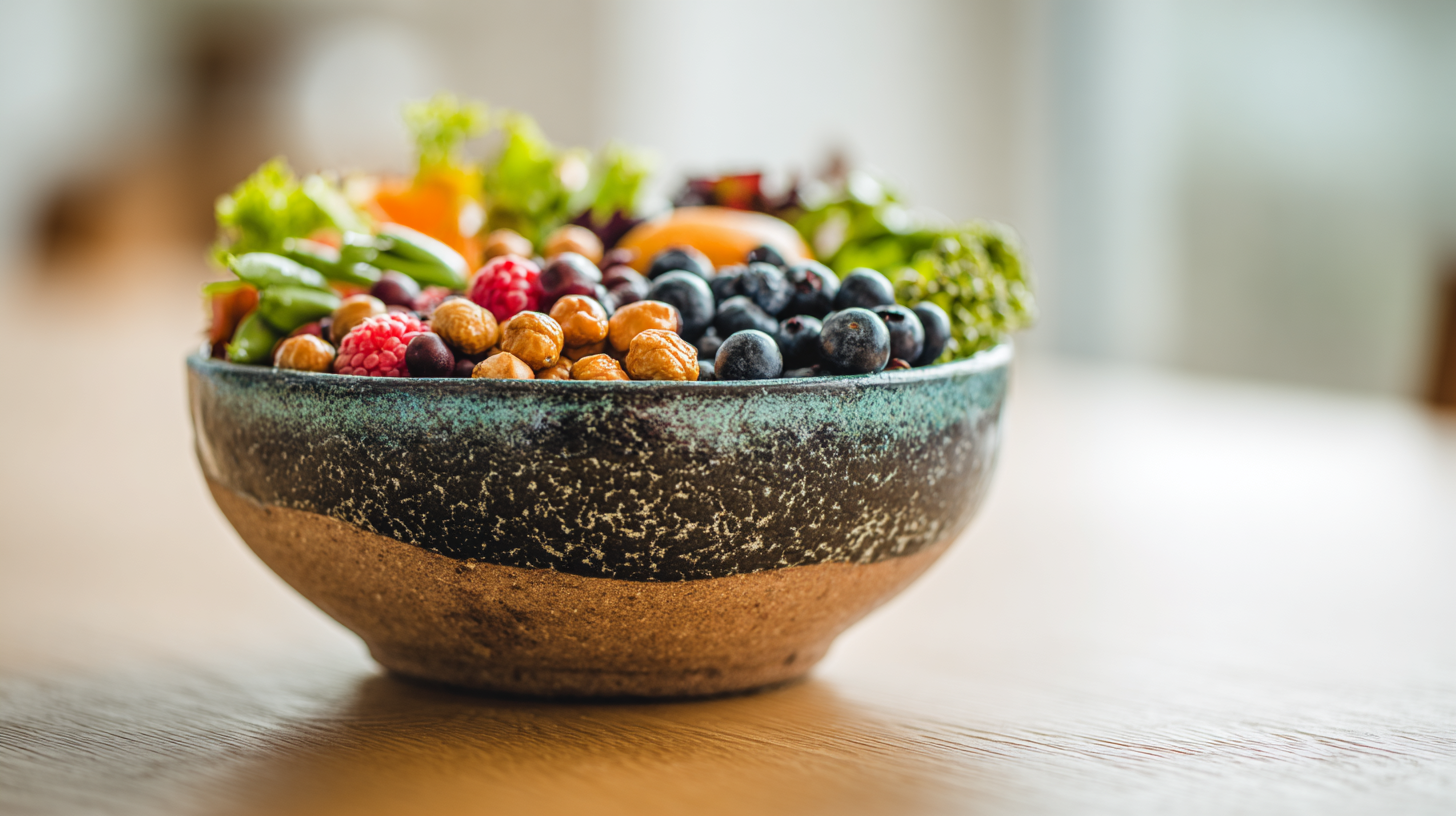
The plate in front of you is not just fuel for your body. It is a message to the microbes in your gut. Every bite says, “This is the kind of world we’re building in here.” If you want calm digestion, steady mood, and less inflammation chewing at you from the inside, you have to send the right messages. That means building your days around foods that help your gut microbiome grow more diverse, more stable, more in balance [2].
The first thing to think about is fiber. Not the sad, chalky powder people stir into water when they are desperate, but the real stuff that grows from the ground. Vegetables, fruits, beans, lentils, nuts, seeds, whole grains. Your own enzymes can’t fully break down many of their fibers, but your gut bacteria can. When they ferment these fibers, they make those short-chain fatty acids—especially butyrate—that feed your gut lining and help keep inflammation down [1,3]. Studies keep finding the same story: higher fiber intake and more diverse plant foods are tied to better gut health and lower risk of chronic disease [2,6].
You don’t need complicated rules to start. Aim to eat a wide range of plants each week. Some people like to count thirty different plant foods—veggies, fruits, herbs, spices, grains, legumes—over seven days. You don’t have to hit that number exactly, but the idea is sound. The more types of fiber and plant compounds you send down, the more kinds of microbes can thrive. It’s like planting a wild meadow instead of a single row of grass. A spinach salad one day, roasted root vegetables the next, berries with oats for breakfast, chickpeas or black beans for dinner. Each one feeds a different part of your inner garden [2].
Think of vegetables as the backbone of your meals. Dark leafy greens like kale, chard, collards, and spinach carry fiber along with magnesium, folate, and other nutrients your body uses to steady blood sugar and keep nerves and muscles working right. Cruciferous vegetables—broccoli, cauliflower, Brussels sprouts, cabbage—come with sulfur compounds that your microbes transform into molecules linked with lower cancer risk and better detoxification pathways [6]. Even onions, leeks, and garlic, humble as they are, offer prebiotic fibers like inulin that support beneficial bacteria such as Bifidobacteria [10].
Fruits pull their weight too. Berries bring polyphenols and fiber that your microbes convert into anti-inflammatory compounds; apples, pears, and prunes help keep your bowels moving without harsh laxatives. Whole fruits beat juices almost every time: the fiber slows the sugar hit and feeds your gut instead of just spiking your blood glucose. Research suggests that higher fruit and vegetable consumption is linked with a more diverse microbiota and lower risk of conditions like cardiovascular disease and type 2 diabetes, where the gut is often involved [2,9].
Then there are the legumes—beans, lentils, peas, chickpeas. Many people fear them because of gas, but that gas is usually your microbes adjusting to new food. Go slow. Add a few spoonfuls at a time, rinse canned beans well, and drink enough water. Over weeks, the discomfort usually settles, and you gain a powerful ally: these foods are some of the best fermentable fibers you can eat, tied to improved blood sugar control, lower cholesterol, and a friendlier gut microbiota [6].
Your grains matter more than most people think. Refined white bread, white rice, regular pasta—these have had their fiber and many nutrients milled out. They digest quickly and leave little for the microbes. Whole grains—oats, barley, brown or black rice, quinoa, farro, rye—bring back the fiber, resistant starch, and plant compounds your gut bacteria like. Large studies link regular intake of whole grains with a lower risk of heart disease, type 2 diabetes, and obesity, likely in part through the microbiome and its effect on inflammation and insulin sensitivity [1,6].
Along with fiber, think about foods that are alive or that were shaped by living cultures. Fermented foods carry either helpful microbes themselves or compounds those microbes left behind. Yogurt with live and active cultures, kefir, sauerkraut, kimchi, miso, tempeh, and some fermented pickles can help nudge your gut toward more diversity and healthier immune responses. A recent human trial showed that a diet rich in fermented foods increased microbiome diversity and reduced inflammatory markers in the blood [11]. Not all supermarket products are equal—some are pasteurized or loaded with sugar—so it’s worth reading labels and choosing ones with live cultures and minimal additives.
Probiotic supplements can help in certain situations, like after antibiotics or during specific gut issues, but they are not magic bullets. The strains, dose, and condition all matter, and the science is still evolving. Food-based fermented options plus a strong fiber foundation often give more reliable long-term benefits than a pill alone [7,11]. If you do consider supplements, it’s wise to talk with a health professional, especially if you have immune problems or serious illnesses.
Prebiotics are another piece of the puzzle. These are fibers and compounds that selectively feed beneficial bacteria. Besides onions, garlic, and leeks, you find prebiotics in asparagus, Jerusalem artichokes, bananas (especially slightly green ones), oats, barley, and chicory root [10]. Many of these fibers become resistant starch when cooled after cooking—like chilled potatoes or rice—which your microbes love to ferment. Incorporating such foods steadily, not in sudden bursts, gives your gut community a stable supply of fuel.
Healthy fats also play a part. Your microbiome seems to respond differently to various types of fat. Diets high in saturated fats from processed meats and certain fast foods are linked with less favorable microbial profiles and higher inflammation [6,9]. In contrast, monounsaturated fats from olive oil and avocados, and omega-3 fats from fatty fish (like salmon, sardines, mackerel), walnuts, and flaxseeds are associated with lower inflammation and better cardiovascular and brain health. Some research suggests omega-3s can enrich bacteria that produce short-chain fatty acids, further supporting gut integrity [1]. When you cook, reaching for olive oil instead of deep fryers and heavily processed spreads is a quiet way of choosing better ground for your microbes.
Protein still matters, of course. You need it to maintain muscle, enzymes, hormones, and immune function. But the type and amount shape your gut environment. Very high intakes of red and processed meats, especially without much fiber alongside them, can encourage gut bacteria that produce more potentially harmful byproducts, such as certain metabolites tied to colon cancer risk [6,9]. Lean poultry, fish, eggs, and plant proteins like lentils, beans, tofu, and tempeh tend to be gentler on the gut when balanced with plenty of plants. If you eat meat, keep portions moderate, favor less processed cuts, and pile your plate with vegetables, beans, or whole grains to help buffer the effect.
Then there is the matter of what tends to harm this inner world. Ultra-processed foods—those long-ingredient-list snacks, instant meals, and sugary drinks—often bring refined starches, added sugars, cheap fats, and emulsifiers that may disturb the mucus layer that protects your gut lining [6]. Observational studies link heavy consumption of these foods with obesity, metabolic disease, and gut dysbiosis, though cause and effect can be tangled [9]. Still, if you scan your week and see that most of your calories are coming from bags, boxes, and drive-thru windows, your microbes are living on thin soil. Shifting even part of that toward simple home cooking—beans and rice, roasted vegetables, oats with nuts and fruit—can slowly tilt the balance back in your favor.
Added sugars deserve special attention. The occasional dessert will not wreck you, but a steady flood of sodas, sweetened coffees, candies, pastries, and syrups pushes your metabolism and microbiome in the wrong direction. High sugar intake is linked with more inflammatory bacteria and a higher risk of insulin resistance, fatty liver, and cardiovascular disease [6,9]. Your taste buds adapt, though. When you cut back for a while, whole foods start to taste sweeter; berries feel rich, and even carrots can seem almost candy-like. Using fruit to satisfy most sweet cravings and saving intense sugary treats for rare moments of real enjoyment can help keep your gut health steadier.
Alcohol is another quiet disruptor. Heavy or regular drinking can damage the gut lining, alter the microbiome, and increase the passage of toxins from the gut into the bloodstream, which drives systemic inflammation [3]. Even moderate intake may affect sleep and digestion in sensitive people. If you drink, keeping it light and infrequent, with food, is kinder to your gut. Some people feel markedly better—in mood, sleep, and bowel habits—when they cut alcohol out for a month and then decide intentionally what place, if any, it should have in their lives.
Hydration may seem too simple to matter, but it does. Water helps fiber do its job. Without enough fluid, even a fiber-rich diet can leave you bloated and constipated. Fluids keep things moving, support the mucus layer that lines the gut, and aid your kidneys and liver as they handle the byproducts of metabolism. Herbal teas and plain water are fine. Sugary drinks only throw more strain on your system. You’ll know you’re close to the mark when your urine is pale yellow most of the day.
The timing and rhythm of your meals also influence that internal town inside you. Your gut and microbes have their own circadian rhythms. Constant grazing, late-night heavy meals, or long stretches of erratic eating can throw those rhythms off. Some research suggests that giving your digestive system a clear overnight rest—say, 12 hours between dinner and breakfast—may support better metabolic health and more regular bowel movements, though more studies are needed [9]. You don’t need to follow strict fasting plans; simply finishing dinner earlier and avoiding heavy snacks right before bed can give your gut time to reset.
If changing everything at once sounds like too much, don’t. The gut microbiome responds well to small, steady shifts. You might start with one meal a day you can improve. Turn breakfast into something that feeds your microbes: oatmeal with ground flaxseeds, a spoonful of nuts, and some berries. Next week, swap one ultra-processed lunch for a simple bowl of lentil soup and whole-grain bread. Maybe add a spoonful of sauerkraut to your plate a few times a week. Each small, repeated choice changes who thrives in your gut.
It helps to think less about strict diets and more about patterns. Over a week, are most of your meals built around whole, minimally processed foods? Are you getting a mix of colors—greens, reds, oranges, purples—on your plate? Are you eating enough fiber to keep your bowels regular and your hunger stable? That is how everyday nutrition quietly shapes your gut, your energy, and your mood. You don’t need perfection. You just need a pattern that, most of the time, feeds the inner world you’re trying to protect.
Lifestyle habits for a balanced digestive system
You can eat all the right foods and still feel that your insides are unsettled if your daily habits are working against you. The body is like a finely tuned instrument; it is not enough to choose good fuel, you must also learn to use it in harmony with the laws that govern your being. The Lord has written those laws into your very cells. When you work with them, your digestion grows calmer and your mind clearer. When you resist them, even excellent nutrition cannot fully rescue your gut health.
One of the quietest but most powerful habits for a peaceful digestive system is regular movement. The bowels are moved, in part, by the muscles and nerves of the abdomen and by the steady sway of the body. When we sit long hours in chairs and cars, everything inside us moves more slowly. Constipation, gas, and a heavy feeling after meals become common companions. Simple, daily walking has been shown to help shorten the time it takes food to move through the gut and to ease constipation symptoms [12]. You do not need a gym membership to help your intestines; a brisk walk after breakfast or dinner, gardening, or gentle cycling can all nudge your digestive tract into a more natural rhythm.
Try arranging your day so that you rarely go long stretches without standing or walking. Even five or ten minutes of moving every hour helps blood flow and signals the gut that it is time to keep things going. Many people notice that when they walk more, their bowels become more regular, bloating less troubling, and their whole sense of bodily heaviness begins to lift. In this way, movement does not simply strengthen muscles—it restores balance to the inner world you cannot see.
Rest is another law of life that your gut cannot ignore. You may think of sleep as something reserved for the brain, but your gut microbes keep time by your sleep-wake cycles as well. When bedtime drifts later and later, or when sleep is cut short, the microbiome can shift in ways linked with more inflammation and poorer glucose control [13]. People who sleep less than seven hours, or who go to bed at wildly different times, often find themselves more constipated, more prone to heartburn, and more sensitive to certain foods. The body likes order. Going to bed and rising at consistent hours, and aiming for seven to nine hours of sleep, gives your intestinal system time to repair the lining, regulate hormones, and reset the nerves that coordinate digestion.
Pay special attention to the hours before midnight. Many have found that every hour of sleep before midnight seems to count for more in terms of refreshment. Avoiding heavy, late suppers helps here. If you repeatedly eat just before lying down, your stomach must labor while the rest of your body is trying to rest. Reflux, indigestion, and restless sleep often follow. Finishing your last full meal at least two to three hours before bed allows your stomach to empty more comfortably and keeps acid where it belongs [14]. In this simple practice, you show kindness to your stomach and help your gut health without a single pill.
Stress, though invisible, presses hard upon the digestive organs. You have already seen how the gut and brain speak to each other. When your mind is in constant battle—rushed, anxious, fretting over tomorrow—the nerves that serve the intestines become tense as well. Blood is drawn away from the stomach and bowels toward the muscles, as if you were running from danger. Digestion slows, cramps arise, and some are driven often to the restroom while others cannot go at all. Studies link chronic stress with changes in the gut microbiome and increased intestinal permeability, which may lead to more inflammation and digestive discomfort [5,15].
It is not that hardship can be removed from life, but you can choose how you walk through it. Simple, daily practices of calm can soften the blow to your insides. Quiet prayer in the morning, unhurried breathing when worry mounts, time in nature, even a few minutes of stretching or gentle exercise at midday—these are not idle luxuries. They settle the nervous system, which in turn allows the stomach to secrete as it should and the intestines to move in an orderly way. Techniques such as deep breathing, mindfulness, and relaxation exercises have been shown to reduce symptoms in conditions like irritable bowel syndrome by easing the “fight-or-flight” response that disturbs gut motility [15].
There is much healing in the natural world. Stepping outside into fresh air, letting your eyes rest on trees or sky rather than screens, changes the messages traveling along your vagus nerve to the gut. Light on the skin and in the eyes during the morning helps anchor your body clock, which steadies both sleep and bowel rhythms [13]. Contact with plants and soil may also gently enrich microbial exposure, though one must still be wise and clean. A short walk in a park, reading under a tree, or tending a small garden are not wasted time; they are part of caring for that town inside your belly.
Your eating patterns throughout the day matter almost as much as what you eat. The stomach and intestines do better with clear mealtimes than with a constant drizzle of snacks. When food is always arriving, the gut never fully finishes one task before another starts. You might notice more heartburn, belching, or a sense that food sits too long. Allowing several hours between meals, and resisting the habit of continual nibbling, helps the stomach empty and gives the small waves of cleansing contractions in your intestines—the migrating motor complex—a chance to sweep through [16]. These waves are most active when you are not eating, and they help prevent bloating and overgrowth of certain bacteria in the small intestine.
It often works well to take two or three simple, substantial meals instead of many scattered bites. Let breakfast be nourishing enough that you are not ravenous by midmorning. Eat calmly, without hurrying, and chew until the food is truly broken down. Chewing is the first step of digestion; when it is rushed, the rest of the tract has to labor harder. Taking time at meals, setting aside distractions, and eating in a spirit of gratitude can, all by itself, ease indigestion and gas. Research suggests that mindful eating—paying attention to the act of eating, the flavors, and the signals of fullness—reduces overeating and improves digestive symptoms [17].
Your posture at and after meals is also a small but important habit. Slumping over a desk, eating in the car with your middle bent, or lying down soon after a meal all make it harder for food and acid to stay where they belong. Sitting upright while you eat and remaining reasonably upright for a while afterward helps gravity work for you, not against you. Many people with reflux feel better simply by avoiding lying flat right after eating and by raising the head of the bed a little at night [14].
Water, though so simple, is one of the best friends of the digestive system. You learned that fiber needs fluid to do its work. Without enough water, the stool becomes hard and dry, and the colon must strain to move it along. Sipping water between meals, enough to keep your urine pale, softens the contents of the bowel and supports the mucus that lines and protects your gut [12]. It is usually better not to flood the stomach with large amounts of fluid during meals, which can dilute digestive juices for some people; instead, drink steadily through the day and take moderate amounts with food.
You also help your gut by caring for the rest of your body, especially your weight and metabolic health. Carrying much excess weight around the middle is linked with more reflux, fatty changes in the liver, and shifts in the microbiome that favor inflammation [9]. Gentle, steady efforts—choosing whole foods, walking daily, respecting hunger and fullness—tend to move weight slowly in a better direction and at the same time support your gut community. In this way, the habits that protect your heart and blood vessels are the same ones that calm your intestines.
Be cautious with medicines that can disturb the stomach and intestines when used carelessly. Nonsteroidal anti-inflammatory drugs (like ibuprofen and similar pain relievers), when taken often or in high doses, can irritate the gut lining and increase the risk of bleeding or ulcers [18]. Acid-suppressing drugs, while sometimes necessary, may alter the balance of bacteria and are best used for clear reasons and not as a permanent cover for unexamined habits [14]. Even frequent use of certain laxatives can leave the bowels more sluggish over time. Whenever you can, work first with lifestyle—movement, fiber, fluids, and regular schedules—to encourage normal function, and use medicines under wise guidance.
Of course, antibiotics sometimes cannot be avoided; they can save life and prevent grave harm. But because they also disturb the gut microbiome, it is wise to use them only when truly needed and as prescribed. Supporting recovery afterward with fiber-rich plant foods and, when suitable, fermented foods or carefully chosen probiotics may help the microbial community regain its footing [7,11]. In this way you respect modern medicine while still honoring the natural systems the Creator placed within you.
Lastly, remember that your habits of mind ripple into your belly. Thoughts of constant criticism, bitterness, or fear tighten the body and drain strength from digestion. Many have found that cultivating gratitude, forgiving past wrongs, and quietly trusting God with tomorrow brings not only peace of mind but also an ease in the stomach that no drug could buy. When your inner life moves toward peace, your outward organs, including the gut, often follow in the same direction. In caring for your routines—how you move, rest, eat, think, and pray—you are building a daily environment in which your inner microbiome can live in harmony and your whole frame can serve more faithfully.
Recognizing signs of poor gut health

When the inner town of your belly is at peace, it often works so quietly you hardly notice it. But when that peace is disturbed, the body begins to send signals. These signals are not meant to annoy you; they are warnings, like a watchman calling from the wall. If you learn to read them early, you can often restore balance with simple changes in daily life and nutrition, instead of waiting until stronger measures are needed.
The most obvious messengers come from your digestion itself. Pay attention to how often you move your bowels and what that experience is like. Going many days without a movement, passing hard, dry stools, or needing to strain often are not signs of a healthy pattern. On the other hand, frequent loose stools, rushing to the toilet several times a day, or feeling you cannot fully empty the bowels also points to trouble. Research has linked both chronic constipation and chronic diarrhea with shifts in the gut microbiome, often showing less diversity and more inflammation [9,12]. A healthy pattern for many people is one to three comfortable bowel movements a day, formed but not hard, passed without pain or urgency.
Gas itself is not your enemy; it is a normal byproduct of bacterial fermentation. But when gas becomes painful, excessive, or foul-smelling, it may signal that certain microbes are overgrowing or that food is not being broken down well. Bloating that makes your abdomen swell like a tight drum, especially if it worsens through the day and eases overnight, is another common sign of disturbed gut function. Conditions such as irritable bowel syndrome (IBS) and small intestinal bacterial overgrowth (SIBO) often present in this way, and both are associated with changes in the gut microbiome [15,16]. Persistent bloating should not simply be accepted as “just how I am.” It is the body asking for a change.
Pain and discomfort along the digestive tract are also important signals. Recurrent cramping, burning, or a dull ache in the lower abdomen after meals may reflect sensitivity in the nerves of the intestines or ongoing inflammation. Sharp pains, pain that wakes you from sleep, or pain coupled with fever, vomiting, or blood in the stool call for prompt attention. Chronic conditions like inflammatory bowel disease (Crohn’s disease and ulcerative colitis) often begin with such symptoms, and these diseases are strongly tied to gut microbial imbalance and an overactive immune response [4,9]. Even milder but ongoing discomfort is worth taking seriously, especially if you find yourself always planning your day around the nearest restroom.
Heartburn and reflux are further hints that things are not right. A burning in the chest after meals, sour fluid backing up into the throat, or needing to prop yourself up at night to avoid regurgitation all suggest that acid is leaving the stomach where it belongs and moving upward. While some reflux can be caused by anatomy, extra weight, or certain medications, diet and gut health also play a role. Diets high in ultra-processed foods and low in fiber are associated with more reflux and with changes in the microbiome that promote inflammation [6,14]. When the gut is irritated, the valve between the esophagus and stomach may not function smoothly, and pressure within the abdomen can rise.
Not all signs of poor gut health are felt in the belly. Because your immune system and your microbiome are so closely linked, repeated infections and frequent illnesses can be another clue. If you seem to catch every cold, or minor cuts and irritations are slow to heal, it may reflect an immune system that is inflamed yet ineffective. Disturbances in the gut microbiome have been connected with altered immune responses, more allergies, and certain autoimmune conditions [4]. This does not mean that every sniffle is a gut problem, but when lowered resistance travels alongside digestive complaints, it strengthens the case that your inner community needs care.
Food reactions are another common sign. When your gut lining is irritated or your microbiome is out of order, you may find yourself reacting to foods that once sat easily. Dairy, wheat, onions, beans, and certain fruits can cause more gas, pain, or loose stools. In some people this reflects true allergy or celiac disease, where the immune system responds strongly to specific proteins. In others, it stems from poor digestion of certain carbohydrates and from microbes fermenting them in the wrong place. Studies show that people with IBS and similar conditions often have a different mix of gut bacteria and more sensitive intestinal nerves than those without such symptoms [15,16]. If your list of “problem foods” keeps growing, that is a message that the foundation needs attention rather than simply cutting out more and more items.
The skin often tells the story of the gut. Eczema, acne, rosacea, and psoriasis have all been linked in various studies with changes in the microbiome and with increased intestinal permeability—what people loosely call “leaky gut” [3,9]. When the gut barrier is weakened, more bacterial products and food fragments can pass into the bloodstream, stirring the immune system and sometimes showing themselves as rashes or flares on the surface. You may put creams on the skin, but the trouble often starts deeper. When people improve their gut health through diet, stress management, and other measures, they sometimes see their skin calm as well, even if slowly.
Mood and mind are also closely tied to gut health. Because the gut produces and interacts with many neurotransmitters, disturbances in the microbiome can echo as anxiety, low mood, or foggy thinking. Research has found that people with depression and anxiety disorders often show differences in their gut bacteria compared with those without such conditions, and some trials suggest that dietary changes which support healthier microbiota can modestly improve mood [5,9]. If you notice that your mind sinks or grows easily agitated when your digestion is off—and then clears when your bowels and stomach are more settled—that is not your imagination. It is the gut-brain axis at work.
Another quiet sign is fatigue that does not match your activity. Poor gut health can interfere with how well you absorb nutrients such as iron, B vitamins, and magnesium. Conditions like celiac disease, inflammatory bowel disease, and chronic infections in the gut often show up first as tiredness, weakness, or shortness of breath on exertion because of anemia or other deficiencies [4,18]. Even without a diagnosed disease, a diet low in whole plant foods and high in processed items can leave you undernourished at the cellular level, while your microbes produce fewer beneficial compounds. If you are constantly weary and your digestion is not right, do not separate those two in your thinking.
Weight changes can also hint at underlying gut issues. Unexplained weight loss—pounds slipping away when you are not trying—can mean poor absorption, chronic inflammation, or serious disease and should never be ignored. On the other side, steady weight gain, especially around the middle, often walks hand in hand with microbiome shifts, insulin resistance, and fatty changes in the liver [1,9]. Some studies suggest that certain patterns of gut bacteria are more common in people with obesity and that these patterns may influence how efficiently calories are harvested from food [1]. Again, the point is not to blame the microbes, but to see weight as part of the whole story of your gut and metabolism.
The pattern over time matters more than any single episode. A day or two of loose stools after a rich meal, or a brief bout of constipation when traveling, is not in itself a sign of deep disease. But when symptoms stretch into weeks or months—frequent bloating, alternating diarrhea and constipation, ongoing heartburn, or regular abdominal pain—it is wise to pay heed. Scientists use the word “dysbiosis” for this long-standing imbalance in the inner community, and they keep finding that it travels alongside many modern ills: metabolic syndrome, type 2 diabetes, cardiovascular disease, and more [9]. The earlier you respond, the easier it often is to turn the tide with simple changes.
Think also about how your body behaves under stress. Some people find that every time a major trial or sorrow comes, their gut is the first to suffer: cramps, urgent trips to the restroom, loss of appetite, or a knotted feeling that will not ease. This connection itself is a sign. It shows that the nerves and immune cells of the gut are already on edge, and that the buffer of a resilient microbiome is thinner than it might be. In studies, psychological stress has been shown to change the composition of gut bacteria and to increase intestinal permeability, which can set the stage for worsened symptoms [5,15]. Learning to quiet the heart and to lean on God’s promises in such seasons can be as important to gut health as any adjustment to diet.
It helps to step back and look at your body as a whole. If you see several of these signs traveling together—digestive discomfort, irregular bowels, skin troubles, mood changes, frequent infections, creeping weight around the waist, or unrelenting fatigue—it is wise to consider that the root may reach into your gut. You are not merely unlucky or “just getting older.” Your inner town is asking for different care: more living food, less burden from processed fare, more movement, better rest, and a quieter, more trusting spirit. The science helps explain this, but the principle is as old as life itself: when we work with the laws written into our bodies, we usually find better health; when we push against them, distress soon follows.
When to seek professional help for gut issues
There is wisdom in knowing when simple home measures are enough and when the body is asking for more. Your efforts with food, rest, movement, and stress may bring relief, yet some signs should never be brushed aside. The longer serious problems go unrecognized, the more deeply they can take root. Seeking help at the right time is not a lack of faith in your body’s design or in the laws of nutrition and lifestyle—it is an act of stewardship over the life you have been given. Careful attention to warning signs, and humble willingness to ask for guidance, often restores balance and protects your long-term gut health.
Certain symptoms call for urgent medical attention, not watchful waiting. If you notice blood in your stool—bright red, maroon, or black and tarry—this can signal bleeding somewhere in the digestive tract and should be evaluated promptly. Likewise, severe abdominal pain that comes on suddenly, pain so intense that you cannot stand upright, or pain that is accompanied by fever, repeated vomiting, or a rigid, tender abdomen needs immediate care. These may point to appendicitis, bowel obstruction, perforation, or severe infection, and no home remedy is enough for such situations.
Unintended weight loss is another serious warning. If you lose more than 5% of your body weight over six to twelve months without trying—for example, 10 pounds off a 200-pound frame—or if your clothes begin to hang looser while your appetite is not strong, a deeper issue may be at work. Chronic gut inflammation, cancers of the digestive tract, pancreatic disease, uncontrolled celiac disease, and long-standing infections can all quietly erode your ability to absorb nutrients. Persisting nausea, early fullness after only a few bites, or a sense that food “sticks” going down should also lead you to a professional evaluation.
Changes in bowel habits that last more than a few weeks deserve careful attention. If you have always been regular and suddenly find yourself constipated for weeks, or swinging between diarrhea and constipation, do not simply adjust to this as the “new normal.” The same is true if you wake at night to move your bowels, or if diarrhea persists beyond two weeks, especially with mucus, blood, or fever. While many such patterns are caused by functional problems like IBS or by dietary triggers, they can also signal inflammatory bowel disease, infections, or even colon cancer, especially as you grow older.
For many, chronic, nagging symptoms are easy to dismiss because they are not dramatic. Ongoing heartburn several times a week, a sour taste in the mouth after lying down, hoarseness or chronic cough without a clear cause, or pressure behind the breastbone may all point to reflux that is damaging the lining of the esophagus. Long-term uncontrolled reflux increases the risk of complications such as Barrett’s esophagus and, rarely, cancer. Likewise, persistent bloating and discomfort, even if mild, are worth discussing with a health professional if they limit your daily life, wake you from sleep, or do not improve despite careful attention to diet and stress.
Screening tests are another way to guard your gut, even when you feel well. Colonoscopy and other colon cancer screening tools are recommended at regular intervals beginning in midlife in many countries, often around age 45 or 50, sometimes earlier if you have risk factors or a family history. These tests can detect precancerous polyps and remove them before they turn dangerous; they also uncover silent disease that may not yet have produced symptoms. Choosing to follow through with such screening is one more way of honoring the intricate design of your body and acknowledging that prevention is kinder than cure.
Sometimes the signs are quieter but still important: iron-deficiency anemia that is hard to explain, very low B12 or folate levels, or swelling in the legs and around the eyes from protein loss can all be tied back to the gut. Your digestive tract is where you absorb most of the building blocks of life; when that process fails, blood tests often show the first hints. If you find yourself unusually tired, short of breath with small exertions, or pale, and your doctor notes anemia, it is reasonable to ask whether your gut health may be part of the story. Investigations may include stool tests for blood, celiac screening, endoscopy, or colonoscopy, depending on your situation.
It also matters who you turn to when help is needed. A primary care physician or family doctor can often start the process, listening to your story, examining you, and ordering initial tests. Gastroenterologists specialize in diseases of the digestive tract and are trained to perform procedures such as endoscopies and colonoscopies, to interpret specialized tests, and to guide treatment plans for conditions like inflammatory bowel disease, severe reflux, and liver disorders. In some cases, collaboration with dietitians who understand the science of the microbiome, or with mental health professionals when the gut-brain axis is heavily involved, can bring more complete healing than any one discipline alone.
Patients sometimes fear that doctors will only reach for drugs or surgery, ignoring lifestyle truths about movement, rest, and nutrition. This does happen, but many clinicians are increasingly aware of gut microbiome research and the power of daily habits. A wise partnership does not cast aside spiritual and natural principles; it integrates them with thoughtful medical care. You can ask questions, express your desire to work with diet and lifestyle where possible, and still accept tests, medicines, or procedures when they are clearly needed to restore safety and stability.
As you consider whether to seek help, look not only at single symptoms but at the pattern of your life. Do you see multiple warning signs marching together—bowel changes, unrelenting fatigue, skin flares, frequent infections, low mood, or unplanned weight shifts—despite your best efforts at self-care? Has your suffering led you to curtail work, social gatherings, worship, or time with family? When the struggle with your gut begins to shape your choices and shrink your world, it is time to invite another set of eyes into the story. There is no virtue in suffering alone when knowledgeable help is within reach.
Above all, remain curious and teachable. Ask why your body might be reacting as it is. Learn the basics of your tests and diagnoses instead of handing them off in your mind to others. The more you understand about your own gut, the less fear will rule you, and the more wisely you can walk the path between natural measures and professional care. Your inner community of microbes, your immune system, and your nervous system are engaged in a complex conversation; skilled helpers can often interpret that conversation and guide you toward better gut health than you could reach alone.
- How do I know if my gut symptoms are serious enough to see a doctor?
- If symptoms last more than a few weeks, interfere with daily life, or are getting worse instead of better, it is time to seek help. Red flags like blood in the stool, severe pain, fever, vomiting, or unexplained weight loss should prompt urgent medical attention.
- Can changing my diet and lifestyle really improve my gut health?
- Yes, consistent changes in diet, sleep, movement, and stress management can significantly influence the microbiome and gut function. While they may not cure every condition, they often reduce symptoms and support whatever medical treatments you may need.
- What tests might a doctor order to investigate gut problems?
- Depending on your symptoms, your doctor may order blood tests, stool tests (for blood, infection, or inflammation), breath tests for certain intolerances or bacterial overgrowth, or imaging such as ultrasound or CT scans. Endoscopy or colonoscopy allows direct visualization of the digestive tract and biopsies if needed.
- Should I take probiotics on my own before seeing a professional?
- Mild symptoms sometimes improve with food-based fermented products and a more fiber-rich diet, which are generally safe for most people. However, probiotic supplements can have varying effects, and if you have serious illness, immune problems, or ongoing symptoms, it is wiser to discuss them with a healthcare provider first.
- When is it necessary to see a gastroenterologist instead of just my primary doctor?
- A gastroenterologist is helpful when symptoms are severe, persistent, or unclear, or when initial tests suggest conditions like inflammatory bowel disease, celiac disease, significant reflux, or liver and pancreas problems. Your primary doctor can guide the timing of a referral based on your history and exam.
- Can stress alone cause gut problems, or does there always have to be something physically wrong?
- Stress powerfully affects the gut-brain axis and can trigger or worsen symptoms even when structural tests look normal. That does not mean the problem is “all in your head”; it reflects real changes in nerves, hormones, and the microbiome, which often improve when both emotional and physical factors are addressed.
- What can I do while I wait for my appointment to support my digestion?
- While you wait, focus on simple, gentle measures: eat mostly whole, unprocessed foods, stay hydrated, move your body daily, and avoid late, heavy meals and excess alcohol. Keep a symptom and food diary to bring to your visit; it can help your clinician spot patterns and make a more accurate assessment.
Ashland Ashland Sabbath Chapel
Beside our live streamed church services, all are welcome to attend our church in person each Saturday beginning 10:00 AM Central Time by going to 2425 Owens Rd., Ashland, AL 36251. There is no cost and any donations are strictly voluntary.
For questions, call +2563547124.