Come join Ashland Sabbath Chapel Ministries each Saturday for live streamed church services. Bible Study begins at 10:00 AM Central Time and Sermon at 11:00 AM. Visit Our YouTube channel and watch from home!
In the realm of health and wellness, there exists a delightful tapestry woven from the threads of communal effort, where various local entities unite in a noble pursuit: the enhancement of our collective vitality. These initiatives, often arising from a passion for wellbeing, allow for a rich celebration of health that honors the spirit of the community. Take, for instance, the recent undertaking by a group of spirited citizens in the quaint village of Maplewood, who organized a health fair to promote not only physical fitness but also mental resilience among the residents. This gathering of like-minded souls, with its spirited activities ranging from yoga demonstrations to nutritional workshops, serves as a splendid example of how communal initiatives can foster not only awareness but also genuine enthusiasm for wellbeing.
Within these celebrations, one can observe the embodiment of collaboration, where local educators, healthcare professionals, and wellness advocates join forces. The Adventist congregations, with their unwavering commitment to holistic health, often play a pivotal role in such endeavors, offering resources and support that empower individuals to take charge of their health trajectories. Their emphasis on not merely the absence of illness but the presence of a vibrant and fulfilling life resonates deeply within the fabric of the community.
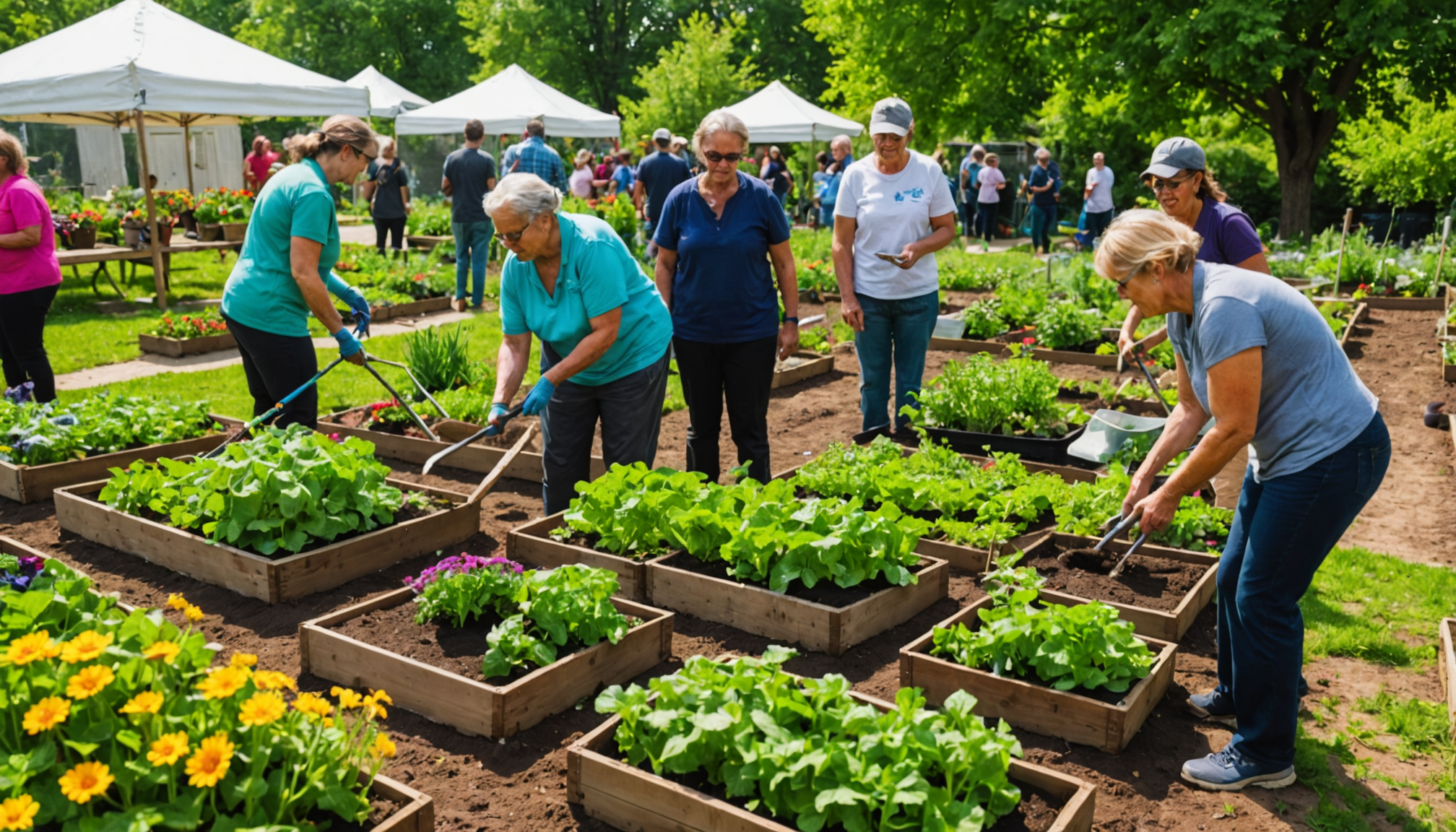
Furthermore, these initiatives often extend beyond the mere promotion of health; they seek to unite individuals through common goals and shared experiences. Consider how a simple community garden, cultivated by eager hands of various ages, can transform into a sanctuary of both nourishment and fellowship. In nurturing the plants, participants simultaneously nourish their spirits, fostering connections that strengthen the social fabric of their local society.
Indeed, as we celebrate these health initiatives, we recognize their remarkable ability to inspire individuals to pursue a lifestyle enriched with wellness. Through community-led events and the rallying of organizations around a shared vision of health, we witness not only progress in physical well-being but also the blossoming of supportive networks that sustain us through life’s challenges.
The role of local organizations
Local organizations serve as the linchpin in the grand scheme of health initiatives, their contributions often understated yet profoundly impactful. These entities, ranging from small non-profits to larger health foundations, embody the essence of community spirit. They wield resources, knowledge, and passion to uplift their neighbors. The Adventist Community Services, for example, work tirelessly to provide essential health screenings and educational resources. Their presence in local health fairs transforms each event into a vibrant forum for sharing knowledge and fostering wellness.
With roots deeply embedded in the communities they serve, these organizations often have a unique understanding of the specific challenges and needs of their populations. They are attuned to the pulse of their surroundings, enabling them to tailor initiatives that resonate with the people they seek to help. This local knowledge helps inform everything from outreach programs to access to healthcare services, ensuring solutions are not only effective but also culturally appropriate.
Moreover, these organizations tend to mobilize volunteers from the community, creating a sense of ownership among residents. This engagement fuels the participants’ commitment, transforming health initiatives into more than mere events—they become movements. To see local volunteers donning their matching t-shirts, standing shoulder to shoulder in a health initiative, is to witness hope in action. Each person brings their story, perspective, and strength to the table, weaving a fabric of resilience deeply rooted in communal bonds.
Collaboration always plays a significant role in the success of these initiatives. Local businesses often partner with health organizations to enhance resources, whether through sponsorships that provide necessary funding or contributions in the form of goods and services. These partnerships exemplify how collective effort is paramount when celebrating health. It is a beautiful reminder that each participant, no matter how small their contribution, plays a vital role in nurturing the wellness of the entire community.
As attitudes toward health evolve, these local organizations continue to adapt their strategies. They embrace new technologies like telehealth and community mobile apps, helping to extend their reach while ensuring that they remain relevant in an ever-changing landscape. Their mission remains steadfast: to ensure that health is not merely a personal endeavor but a collective journey, where everyone plays a part in nurturing a vibrant, healthy community.
Engaging community members
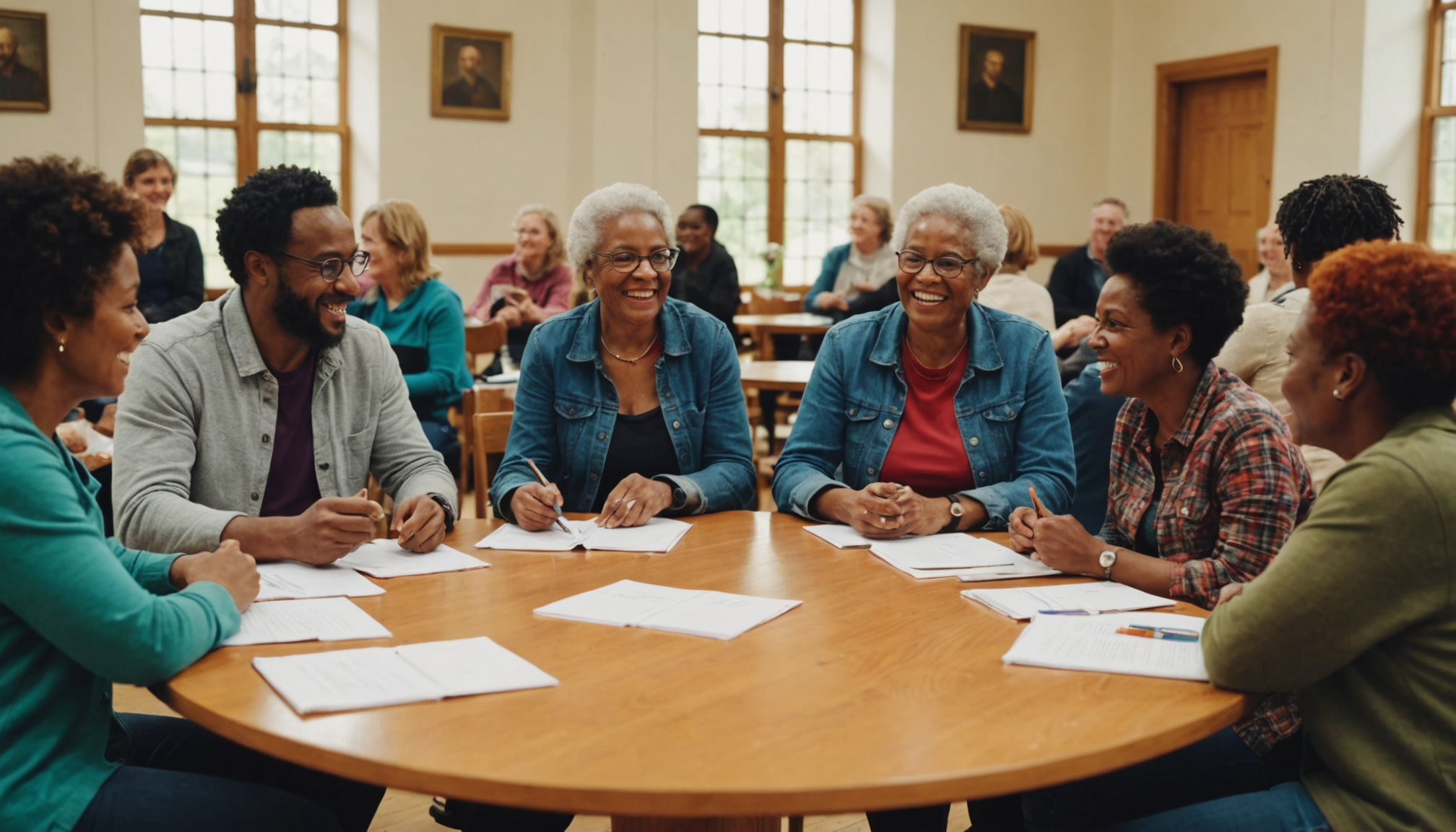
Engaging community members lies at the heart of any successful health initiative. To truly foster a culture of wellness, the involvement of every resident becomes paramount. It’s not enough to host events in a vacuum. Rather, it’s about inviting the people in, letting them feel the power of their voice within the community. This connection transforms initiative into communal mission, and health becomes a shared responsibility.
Think about small group meetings in the local church hall or the community center, where discussions brim with ideas. People share their thoughts on what health means to them. They recount struggles, triumphs, and insights. In these gatherings, it’s clear that each person carries wisdom born of experience. This exchange becomes a catalyst for change, as participants brainstorm ways to enhance their health offerings. The Adventist tradition of holistic health becomes a guiding principle, underscoring the importance of spiritual, emotional, and physical well-being.
Regular dialogues help cultivate a sense of belonging. When community members witness their concerns being acknowledged, they become more likely to engage. They participate in health screenings, attend workshops, and connect with local resources. The result is a shared narrative that not only spans generations but also bridges gaps between diverse groups within the community. A village’s inclusive spirit ensures no voice goes unheard.
In addition to dialogues, creative approaches can ignite enthusiasm. Local artists might collaborate with health organizations to produce murals celebrating wellness, thus beautifying the environment while promoting healthy lifestyles. Schools could organize sports events that invite families to compete together, turning physical activity into a joyous communal affair rather than a personal chore. When health becomes an enjoyable group endeavor, it’s easier to inspire ongoing participation.
A worthy strategy also includes training community champions—individuals who embody the principles of health and advocacy. Their enthusiasm can permeate throughout neighborhoods, encouraging others to join in. These champions may be respected teachers, local business owners, or even enthusiastic retirees who draw others into the fold. Their energy becomes infectious, rallying friends and neighbors who might otherwise stay on the sidelines.
Moreover, leveraging social media can amplify this engagement. Community platforms create spaces where members can share resources, ask questions, and celebrate personal achievements. Regular posts highlighting local health initiatives invite the participation of a broader audience. A simple photo of community members participating in a health fair or enjoying a group workout can inspire others to see the benefits of their involvement. When individuals observe acquaintances embarking on their wellness journeys, the barrier to entry lowers significantly.
Critically, ongoing feedback is essential. After every event, gathering thoughts on what worked and what can be improved ensures a living, breathing initiative. It fosters a culture of responsiveness, where voices echo back into the planning process. By continuously refining their approach, organizations affirm their commitment to the community’s unique needs and aspirations.
Every effort counts. Whether it’s the local youth group organizing a hike, the gardening club hosting nutrition workshops, or the Adventist community providing mental health resources, every activity contributes to a larger tapestry. This collaborative landscape creates not just a healthier community but a unified one, where the spirit of celebrating health thrives in every corner.
Success stories and testimonials
Success stories abound in the realm of community health initiatives, where the endeavor to promote wellness often finds its finest expression in the narratives of those who have thrived amid collective efforts. Each tale, rich with personal triumph, resonates deeply within the hearts of listeners, serving as a living testament to the potential harbored within a united populace. Consider, if you will, the tale of Miss Eliza Smith, a resident of Maplewood, who, through the encouragement of her friends and the resourcefulness of local healthcare advocates, embraced a lifestyle transformation that not only enriched her own life but also inspired many others.
Having faced considerable challenges related to her health, Eliza found herself at a crossroads. It was at one of the community health fairs, replete with information and fervor, that she first encountered the support she desperately sought. Through an engaging workshop led by the Adventist Community Services, she learned not only about nutrition but also about the importance of physical activity. The sense of camaraderie that enveloped her on that day ignited a spark within her—a desire to reclaim her vitality not just for herself, but also for her family.
Encouraged by her newfound knowledge and armed with recipes shared by fellow attendees, Eliza joined a local walking group that met each Saturday morning. What began as a solitary effort burgeoned into a vibrant social event, wherein laughter intermingled with the rhythm of footsteps along the picturesque trails of Maplewood. As she shed both weight and reservations, her journey became a source of inspiration among her peers; soon, others began joining their weekly outings, each individual drawn by the magnetic pull of shared experience and encouragement.
Moreover, the ripple effects of Eliza’s transformation extended well beyond her walking group. Witnessing her progress, friends and family members began engaging in discussions around health, seeking to understand how they too might foster their own wellness. In her local church, she established a support circle that met regularly to share not only healthy recipes but also uplifting anecdotes of personal progress, thereby cultivating an environment rich in positive reinforcement—a true embodiment of the Adventist principle of holistic health.
Another notable instance involves Mr. Thomas Jenkins, a retired schoolteacher whose story illustrates the profound impact of community collaboration. He, too, attended the local health fair, where he discovered a passion for gardening that had long lain dormant. Inspired by the idea of a community garden, he rallied like-minded neighbors, and together they transformed a neglected plot into a lush oasis. This endeavor not only provided a bounty of fresh produce to local families but also forged connections that transcended individual backgrounds and experiences. The garden flourished as a sanctuary of both sustenance and solidarity, drawing families together and encouraging children to participate in the joys of cultivation.
The testimonies of Eliza and Thomas highlight a profound truth: that when individuals engage in communal health initiatives, not only do they cultivate their own wellness, but they also nurture the bonds of fellowship that strengthen their entire community. Their experiences serve to inspire humor, compassion, and tenacity within the everyday lives of those around them, affirming that celebrating health is indeed a collective journey. Such stories echo through the village, radiating a sense of hope and determination that compels others to embark on their own paths towards better health.
These lived experiences will undoubtedly be heralded as the cornerstone of future health campaigns as communities continue to draw from the well of shared knowledge and mutual support. With each story of transformation, the fabric of community life is enriched, and the common goal of wellness gains additional momentum, demonstrating unequivocally that together, we are capable of achieving greatness in the pursuit of health and happiness.
Future goals for health improvement
As the landscape of community health initiatives evolves, the future holds vast potential for growth and improvement. Communities are increasingly recognizing the need to proactively address health disparities and cultivate environments that promote wellness for all members. One goal is to enhance access to health education, ensuring that every resident possesses the knowledge necessary to make informed health decisions. This can involve innovative programs that target underserved populations, offering workshops and resources designed with inclusivity in mind. By focusing on tailored approaches, communities can better serve individuals who may feel alienated from traditional healthcare systems, much like the Adventist commitment to holistic health that emphasizes reachable well-being for everybody.
Another vital objective is to expand the availability of mental health resources. Acknowledging that mental wellness is integral to overall health opens doors to collaborative initiatives that engage community members in supportive dialogues. Partnering with local mental health professionals to offer regular support groups and educational sessions can demystify the conversation around mental health, helping individuals to feel less isolated in their experiences. These efforts are key to creating spaces where vulnerability is embraced and residents feel empowered to seek help without stigma.
Integration of technology also represents a promising frontier for future health improvements. Through mobile apps and digital platforms, communities can foster real-time engagement and communication among residents. These tools can facilitate everything from tracking personal health goals to sharing community events and resources. By leveraging technology, communities can create a more connected network, ensuring that no one feels alone in their health journey. Additionally, the use of social media as a conduit for disseminating health information and celebration of community initiatives can inspire greater participation and enthusiasm for communal well-being.
Within this framework of improvement, the goal of sustainability emerges as a guiding principle. Implementing practices that promote long-term health outcomes will require a steadfast commitment from all community stakeholders. Initiatives that instill healthy habits in younger generations—such as school-based health programs and interactive physical activities—will be vital to ensuring lasting changes. Encouraging families to embrace wellness activities together will not only strengthen bonds but also instill a culture of health that persists for years to come.
Creating a robust support system for community members who take the initiative to improve their health can further uplift these goals. Celebrating milestones achieved—even small victories—can provide the motivation needed to continue. Establishing recognition programs or community challenges focused on fitness, nutrition, or mental wellness may galvanize participation and instill a sense of accomplishment in residents. These formative challenges can set the stage for a culture where health is honored, propelling individuals towards extraordinary transformations that inspire others.
- What types of community health initiatives exist?
- Community health initiatives can range from health fairs and wellness workshops to support groups and gardening projects. These programs often aim to improve physical fitness, promote healthy eating, and enhance mental well-being through collective efforts.
- How can I get involved in community health initiatives?
- You can get involved by attending local health events, volunteering with organizations, or participating in group activities such as walking clubs or health workshops. Engaging with your local community centers or faith-based organizations like the Adventist Church can also provide opportunities to contribute.
- What role do organizations play in promoting health?
- Organizations serve as facilitators for health initiatives by providing resources, education, and support. They often mobilize volunteers from the community and create partnerships that enhance the effectiveness of health programs, tailoring initiatives to meet local needs.
- Why is mental health important in community wellness?
- Mental health is a crucial component of overall well-being. When communities prioritize mental wellness, they foster environments where individuals feel supported, reducing stigma, and encouraging open conversations that can lead to help and healing.
- How can technology improve community health engagement?
- Technology can enhance community health engagement through mobile apps and social media platforms, allowing residents to access health information, sign up for events, and connect with others on similar wellness journeys. This improved accessibility can lead to higher participation rates.
- What can be done to involve young people in health initiatives?
- Involving young people in health initiatives can include incorporating wellness education into school curricula, hosting interactive sports events, and facilitating peer-led workshops. Creating fun, engaging activities encourages youth participation and fosters a lasting commitment to healthy living.
- How do success stories impact community health initiatives?
- Success stories amplify the impact of community health initiatives by demonstrating the tangible outcomes that can arise from collective efforts. They serve to inspire others, encouraging them to embark on their health progress and fostering a sense of unity and shared purpose.
Ashland Sabbath Chapel Ministries
Beside our live streamed church services, all are welcome to attend our church in person each Saturday beginning 10:00 AM Central Time by going to 2425 Owens Rd., Ashland, AL 36251. There is no cost and any donations are strictly voluntary.
For questions, call +2563547124.