Come join Ashland Sabbath Chapel Ministries each Saturday for live streamed church services. Bible Study begins at 10:00 AM Central Time and Sermon at 11:00 AM. Visit Our YouTube channel and watch from home!
Holistic wellness encompasses more than just the absence of disease; it is a harmonious balance of physical, emotional, mental, and spiritual health. To truly embrace this concept, one must recognize that each aspect of our being is interconnected. In Adventist teachings, we often emphasize the importance of nurturing these dimensions to achieve overall well-being.
At the core of holistic wellness is the understanding that a sound mind resides in a sound body. Thus, physical health is paramount. Engaging in regular exercise, consuming nutritious foods, and ensuring adequate rest are foundational activities that positively impact not only our bodies but also our emotional and spiritual state. The promise of vibrant health is fulfilled when we take care of our physical vessel, making it easier to pursue our higher calling.
Yet, emotional and mental health are equally crucial. Acknowledging and processing emotions, engaging in mindfulness practices, and maintaining positive social connections contribute significantly to our overall wellness. Strategies such as journaling can help articulate feelings, while meditation fosters inner peace, allowing us to reconnect with our spiritual self and enhance our overall wellness plan.
Spiritual health often requires a commitment to a higher purpose, which can be found in the teachings of faith. Engaging in prayer, studying scripture, and participating in community worship can nurture the spirit, offering guidance and solace in challenging times. This spiritual connection helps to cultivate resilience against the trials of life, further enhancing our ability to maintain wellness amidst adversity.
Truthfully, integrating these diverse elements into our daily life requires intention. Therefore, embracing a holistic perspective is not merely about addressing the physical or mental alone, but rather intertwining them with our spiritual beliefs to create a robust framework for wellness. As we embark on this journey, let us remember that achieving holistic wellness is an ongoing process, one that invites us to grow and evolve as we strive toward fulfilling our God-given potential.
Assessing your current wellness status
To embark upon the journey of holistic wellness, it is imperative to first take stock of one’s current state of health, for self-awareness serves as the bedrock upon which all further endeavors in wellness must rest. This assessment should be thorough and honest, for only by revealing the true condition of our physical, emotional, mental, and spiritual realms can we hope to address our unique needs and aspirations.
There exists a most practical approach to engaging in this assessment, akin to a careful examination of a dear friend’s affairs. Begin by reflecting upon the physical aspect of your health. Consider the following inquiries:
- Do you engage in physical activities that invigorate you and promote your vitality?
- What does your diet consist of, and does it nourish your body adequately?
- How many hours of restful slumber do you grant yourself each night?
This physical health audit must then seamlessly intertwine with a deeper exploration of your emotional well-being. Many a fine gentleman or lady has found themselves ensnared in the throes of unacknowledged feelings. Thus, contemplate these matters:
- Are you able to express your emotions freely and authentically?
- Do you maintain bonds with friends and loved ones that provide joy and support?
- Do you engage in activities that lift your spirits and instill a sense of peace?
Equally deserving of your attention is the state of your mental faculties. This aspect often feels most elusive, yet it is paramount. Evaluate your mental health with these reflective queries:
- How do you cope with stress and adversity when they arise?
- Do you actively seek opportunities for learning and personal growth?
- Are you kind to yourself in your self-talk, or do you find that negative thoughts prevail?
Lastly, we must not neglect the all-important domain of the spirit. For a well-rounded assessment, ponder these spiritual contemplations:
- Do you have practices that ground you, such as prayer or meditation?
- How connected do you feel to a community of like-minded souls?
- In what ways do you seek a sense of purpose in life?
As you engage with these inquiries, dear friend, it is wise to take notes, for the written word serves as a mirror reflecting your inner landscape. This candid assessment will illuminate areas in need of attention and reveal strengths that may inspire your upcoming wellness plan. With renewed clarity, you will be poised to establish goals that align with your vision of holistic well-being, fostering a nurturing environment for growth and fulfillment.
Setting achievable wellness goals
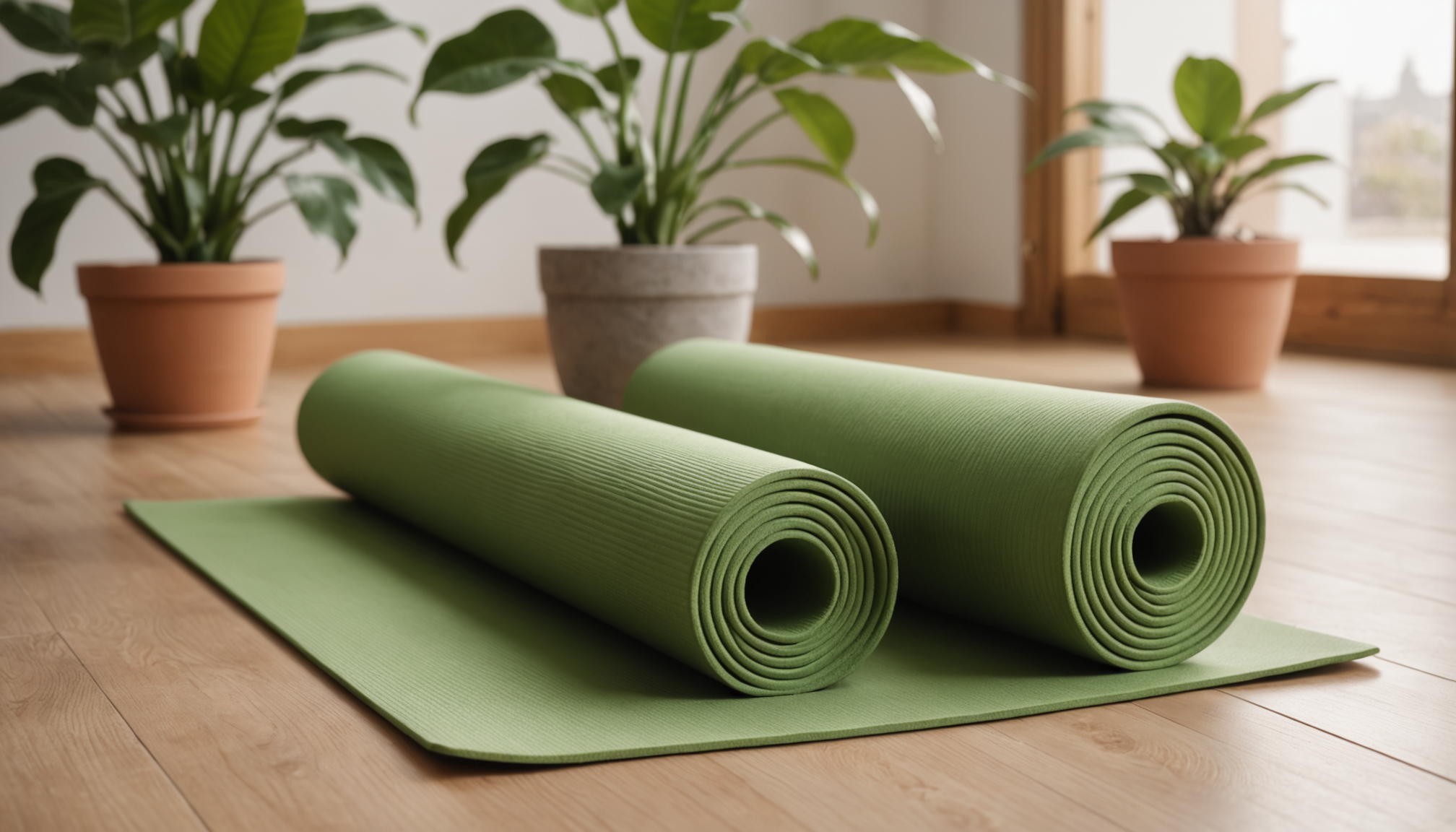
Now that you have laid the important groundwork of understanding your current wellness status, it is time to transform insights into purpose. Setting achievable wellness goals is the compass that will guide you on your journey toward a holistic life. It begins with sincerity, an earnest assessment of where you are, but it must evolve into specific aspirations—clear targets held high that beckon you forward.
Start small. Think of a single, meaningful goal that resonates with you, something that challenges but does not overwhelm. Whether it be committing to a weekly yoga class or dedicating time each day for reflection and prayer, the best goals are both personal and tangible. For instance, rather than stating that you wish to “be healthier,” you may choose to say, “I will prepare one nutritious meal every day.” Such specificity is vital. It carves a clear path through the fog of intention, allowing you to grasp what needs to be done.
It is essential to employ a method known as the SMART criteria—specific, measurable, achievable, relevant, and time-bound. Consider the example of improving your physical health. Instead of an ambiguous idea of exercising more, you might say, “I will walk 30 minutes every day for the next month.” This statement is specific in its focus, measurable through time and distance, achievable given your current lifestyle, relevant to your goals, and bound by a defined timeframe.
As you craft these goals, ensure they harmonize with the broader vision of your holistic wellness plan. Consider how each goal impacts not just the physical but also the emotional and spiritual realms of your life. Will a commitment to daily exercise bring you clarity or solace? Will establishing a routine for gratitude enhance your relationships with others? Align these goals with your core values and the aspirations you have laid bare. The Adventist focus on wholeness can serve as a guiding principle here—your goals should embody balance across all dimensions of health.
Document these goals, for writing them down brings an added weight to your intentions. Note them somewhere visible, perhaps a place where you might commune with them daily. This act crafts a sense of accountability, a promise to yourself etched into existence. Each word should reflect the spirit of perseverance, an affirmation that you are invested in your journey toward well-being.
Embrace the spirit of flexibility, too. Goals may evolve as you tread this path. Should you find that your initial aim no longer serves you as you envisioned, do not shy away from recalibrating your trajectory. Life, with all its unpredictable twists, invites adaptation. Remember, this is not merely a checklist, but an ongoing exploration of your potential.
As you embark on this endeavor, finding like-minded individuals seeking similar transformations can greatly enhance your motivation. Share your aspirations with friends or join a community that encourages your pursuit of holistic health. This method fosters accountability; the path feels less daunting when shared. Together, you may witness each other’s progress, celebrating milestones large and small, which can invigorate your dedication to the journey ahead.
Integrating mind, body, and spirit practices
In integrating practices that nurture both the mind, body, and spirit, one embarks upon a sacred journey toward holistic wellness—a pursuit filled with profound connections that invigorate all dimensions of our being. As we consider this integration, we recognize that each practice serves as a thread in the intricate tapestry of health, enhancing our lives and leading us toward a more fulfilling existence.
Commencing with the physical, it is imperative to engage in practices that align our bodies with the principles of strength and vitality. Regular exercise occurs not just as a chore but as a celebration of the physical being. Activities such as walking, cycling, or engaging in communal sports foster not only bodily health but also strengthen our relationships with others. It is through the company we keep in these ventures that we enhance our emotional well-being, as shared experiences cultivate bonds that uplift the spirit.
One manifestation of this principle can be seen in communal activities such as group exercise classes or hiking with friends. In the Adventist focus on wellbeing, such gatherings foster a sense of fellowship, reminding us that we are not alone on this health journey. This communal bond invigorates our hearts, reinforcing our emotional resilience while ensuring our bodies remain active and agile.
The emotional component of this holistic practice invites us to cultivate a rich inner landscape. Mindfulness meditation stands out as a particularly transformative practice. By engaging in moments of stillness and reflection, we allow ourselves to acknowledge and process emotions that might otherwise remain hidden. This practice refreshes our mental faculties, resulting in a clearer sense of purpose. Additionally, activities such as journaling or creative expression through art provide not only an outlet for our feelings but also act as a pathway to understanding our actions and relationships with others.
Integrating spiritual practices further serves to enrich our wellness plan. Prayer and meditation anchor us in divine connection and purpose. When we take time to engage in silence and seek communion with the Creator, we open ourselves to spiritual guidance and renewal. Gathering in community with fellow believers to engage in worship or study serves to bolster this connection, offering reassurance and shared purpose during life’s trials.
Moreover, we can explore practices such as gratitude journaling, which helps us to focus on the bounty in our lives, recognizing blessings that may be overlooked in our daily hustle. This small shift in perspective allows us to cultivate joy and promote positive emotional health. As we reflect on what we are thankful for, we build a protective buffer against negativity and foster resilience in the face of challenges.
To bring balance to these practices, it is essential to remain open and flexible to what resonates with you personally. Experiment with a variety of activities before settling into a routine. Perhaps Tai Chi or yoga might resonate with your physical needs, while guided meditations could nurture your emotional and spiritual self. Trusting in your intuition is key, as it allows you to find your rhythm in the diverse offerings of holistic wellness.
It is also wise to strive for consistency rather than perfection. Change is often gradual, and the beauty of a holistic wellness plan lies in the process itself. As you weave together these practices, remember that personal well-being is an evolution, not a destination. Through regular reflection and a genuine investment in your journey, you will come to experience the profound impact of integrating mind, body, and spirit on your overall health and well-being.
Maintaining motivation and accountability

To sustain your journey toward holistic wellness, maintaining motivation and accountability is key. It’s not uncommon for enthusiasm to wane as the initial excitement of embarking on a new lifestyle begins to fade. Therefore, creating a system of support and reminders can rejuvenate your commitment and encourage continual progress. Consider forming accountability partnerships with those who share your wellness goals. By checking in with each other regularly and celebrating each other’s successes, you foster a mutual sense of responsibility that can bolster motivation.
In addition to interpersonal support, integrating tools such as planners, apps, or journals can greatly enhance your accountability. Documenting your activities and emotions regarding your wellness journey can provide both clarity and insight, helping you recognize patterns or roadblocks. Visualization techniques, such as creating vision boards or setting reminders with affirmations, can effectively keep your goals at the forefront of your mind. When you encounter days of doubt, these visual prompts can reignite your passion for the holistic lifestyle you are striving to embody.
Moreover, break down larger goals into smaller, manageable tasks. Each small accomplishment serves as a building block toward your overarching aspirations, making it easier to stay motivated. For instance, if your aim is to strengthen your spiritual practice, you might start with a commitment to daily prayer or meditation. Once that becomes a habit, consider expanding it by engaging in group worship or study sessions that resonate with your spirit. Incremental progress not only cultivates consistency but reinforces the sense of achievement that fuels ongoing commitment.
Reflection is another vital aspect of sustaining motivation. Regularly revisit your goals and evaluate your progress, asking yourself probing questions: Are these practices still enriching my life? What challenges have arisen, and how can I address them? Such contemplation invites adjustments to your wellness plan, ensuring its alignment with your evolving needs and aspirations. The Adventist principle of holistic health encourages continual growth; this dynamic approach ultimately enhances your quality of life and nourishes an ongoing desire to learn and improve.
Finally, cultivate a mindset that embraces flexibility and grace. No wellness journey is linear, and setbacks are a natural part of growth. Instead of viewing these moments as failures, reframe them as opportunities for learning and redirection. The more you practice self-compassion, the more resilient you become, allowing you to innovate solutions that keep you moving forward. The essence of holistic wellness rests upon the understanding that the path to health and well-being is not a race but a profound journey of self-discovery.
- What is holistic wellness?
- Holistic wellness is an approach to health that considers the interconnectedness of physical, emotional, mental, and spiritual well-being. Rather than focusing solely on treating illnesses, it emphasizes achieving balance in all areas of life.
- How can I assess my current wellness status?
- You can assess your wellness status by reflecting on various dimensions of your health, including physical activity, emotional expression, mental clarity, and spiritual practices. Using specific questions guided by these aspects can help you gain insight into your strengths and areas for improvement.
- What kind of goals should I set for my wellness plan?
- When setting goals for your wellness plan, focus on SMART criteria—goals that are specific, measurable, achievable, relevant, and time-bound. Start small to ensure that your aspirations align with your capacity for commitment and growth.
- How can I stay motivated on my wellness journey?
- Staying motivated can involve forming accountability partnerships, using planners or journals to track progress, and setting smaller, manageable tasks to celebrate incremental achievements. Regular reflection and embracing a flexible mindset are also essential for maintaining motivation.
- What practices can integrate my mind, body, and spirit?
- Practices such as mindfulness meditation, physical exercise, nutrition-focused cooking, prayer, and participating in community worship can serve to balance and nurture all three dimensions. Experimenting with various activities can help you find what resonates with your holistic wellness journey.
- How do I deal with setbacks in my wellness plan?
- When facing setbacks, approach them as learning opportunities rather than failures. Reflecting on these moments while maintaining self-compassion enables you to adapt and find solutions to address challenges along your journey.
- Is community support important in holistic wellness?
- Yes, community support can play a significant role in holistic wellness by providing encouragement, accountability, and shared experiences. Engaging with like-minded individuals fosters a sense of belonging and can enhance motivation on the path to well-being.
Ashland Sabbath Chapel Ministries
Beside our live streamed church services, all are welcome to attend our church in person each Saturday beginning 10:00 AM Central Time by going to 2425 Owens Rd., Ashland, AL 36251. There is no cost and any donations are strictly voluntary.
For questions, call +2563547124.