Come join Ashland Sabbath Chapel Ministries each Saturday for live streamed church services. Bible Study begins at 10:00 AM Central Time and Sermon at 11:00 AM. Visit Our YouTube channel and watch from home!
The relationship between physical health and faith is intricate and deeply intertwined, often impacting how individuals experience and express their spirituality. When we delve into the practices of the Adventist tradition, we see a clear emphasis on maintaining a healthy lifestyle as a way of honoring God. The philosophy that governs this approach underscores the belief that our bodies are temples, and as such, they deserve respect and care. This perspective not only promotes physical well-being but also enriches one’s spiritual journey.
Consider how physical health can affect one’s ability to participate in religious activities. Those who prioritize fitness often find that they have more energy and stamina to engage in community worship or volunteer efforts. This engagement can deepen their faith experience, as they remain active participants in their faith community rather than sidelined by health issues. For instance, an individual who adopts a balanced diet and engages in regular exercise may attend more church services or bible studies, fostering a stronger connection with their faith community.
Moreover, it’s important to recognize that physical ailments can sometimes lead to feelings of despair or isolation. Conversely, when individuals take proactive steps toward improving their health, they often report an increase in their sense of purpose and fulfillment in their spiritual lives. This reciprocal relationship—where faith nurtures well-being and well-being enhances faith—creates a powerful cycle that benefits both body and spirit.
Another aspect to consider is the way in which spiritual beliefs can encourage healthier lifestyles. Many religious texts and teachings advocate for moderation and self-control, qualities that, when applied to diet and exercise, can lead to better overall health. For instance, the Adventist health message explicitly teaches the importance of a vegetarian diet, which is not only aligned with their values but also supports physical health. This practice can create a meaningful connection between an individual’s physical choices and their faith commitments.
In essence, the connection between physical health and faith is not merely beneficial; it is vital for holistic well-being. When individuals recognize that caring for their bodies is part of their spiritual obligation, it fosters a deeper appreciation for both their faith and their health. This integration encourages a lifestyle where body and spirit work in harmony, ultimately leading to a more profound and fulfilling life experience.
The role of spiritual practices in promoting well-being
Engaging in spiritual practices plays a significant role in promoting well-being, creating a bridge between physical health and faith. When individuals immerse themselves in prayer, meditation, or study of sacred texts, they often find a source of inner peace that contributes to overall health. These practices foster a reflective state of mind, enabling individuals to connect with their spirituality on a deeper level, which can promote resilience against the stresses of life.
For example, the act of prayer not only serves as a means to communicate with God but also helps to lower stress levels, which in turn can positively impact physical health. According to various studies, regular prayer has been linked to lower blood pressure and improved mental clarity. This is particularly relevant in the Adventist community, where prayer is a daily practice and a vital part of life. The expectation to engage in such spiritual activities can encourage individuals to lead healthier lives overall.
Additionally, meditation has shown to provide numerous health benefits, including enhanced emotional well-being and reduced anxiety. When an individual takes time to meditate on their faith, reflecting on the nature of God and their own beliefs, it can lead to a sense of grounding that fosters healthier habits. Meditation also promotes mindfulness, which encourages individuals to be more aware of their physical health choices, such as dietary habits and exercise routines.
Rituals and communal worship also enhance physical and spiritual well-being. When members gather for services, they not only strengthen their bonds within the faith community but also reinforce healthy behaviors. Participating in communal activities such as group prayers or health seminars creates an environment where individuals can support one another in their journeys toward improved health. Notably, these interactions can motivate individuals to adopt healthier lifestyles, as they witness the effects of physical health on the spiritual vitality of their peers.
Moreover, the incorporation of worship through physical activity, such as walking or outdoor gatherings, signifies a holistic approach to faith and health. Activities like these not only enrich the worship experience but also contribute to cardiovascular health and overall fitness. Indeed, in the Adventist context, the emphasis on wholesome living aligns closely with spiritual growth; participants find that engaging their bodies in these ways can propel them into a more profound spiritual connection.
In essence, spiritual practices are not merely a supplementary aspect of a believer’s life; they are essential in reinforcing the connection between physical health and faith. By embracing these practices, individuals can cultivate a lifestyle that honors both their spiritual beliefs and their commitment to holistic health, leading to a fuller, more abundant life in body and spirit.
Integrating physical health into faith communities
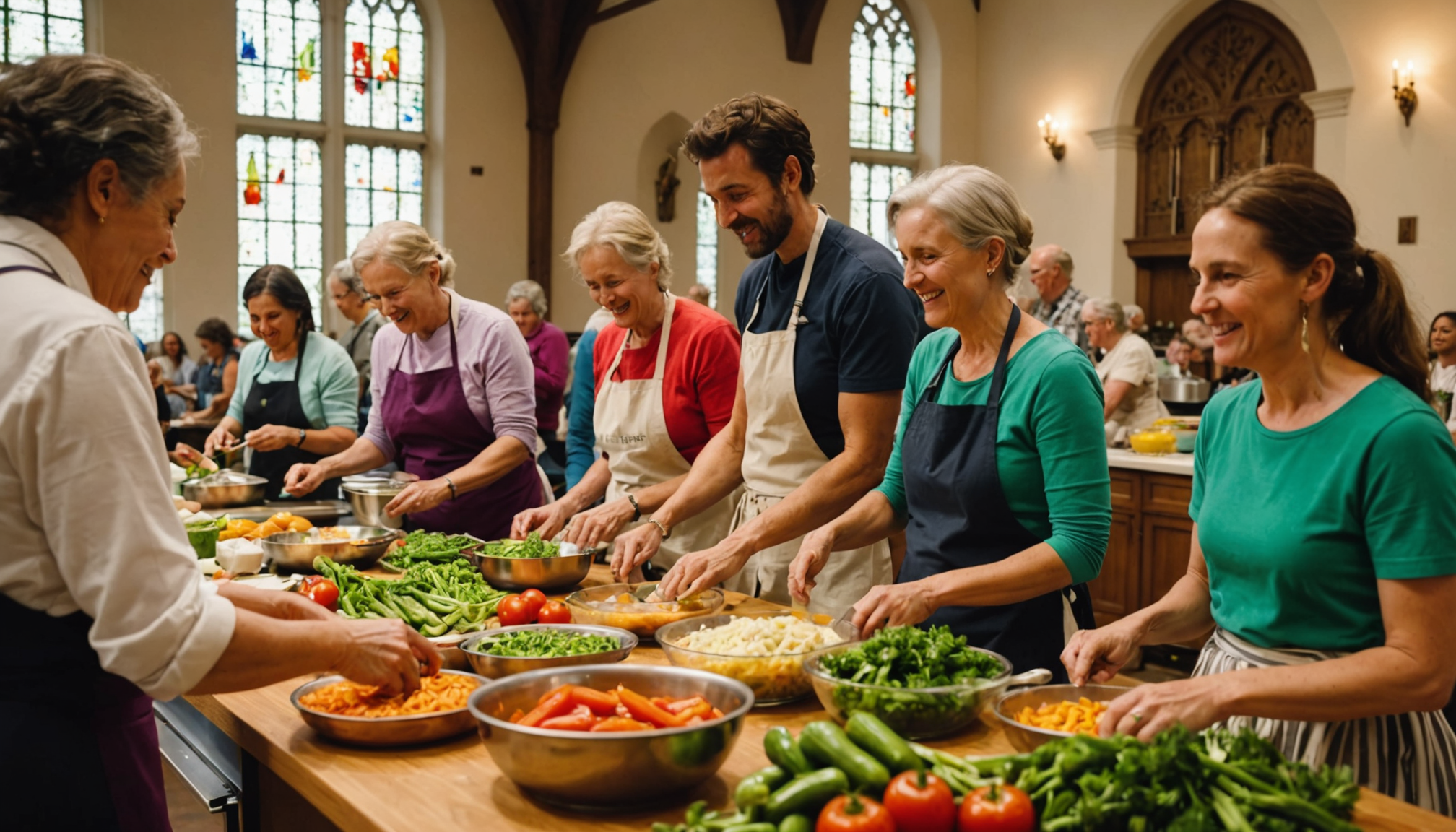
The integration of physical health into faith communities is a vital endeavor that reflects a collective commitment to holistic wellness. In many faith traditions, including the Adventist community, the guidance to honor one’s body as a temple resonates deeply with members who strive to embody their beliefs in tangible ways. This integration can manifest in various forms, from organized health initiatives to simple communal activities that promote wellness.
One of the most effective methods for embedding physical health into the fabric of a faith community is through educational programs focused on the benefits of maintaining a healthy lifestyle. These programs can include health seminars, cooking classes, and workshops on physical fitness. For instance, an Adventist church might host a vegetarian cooking demonstration that not only highlights the health benefits of a plant-based diet but also aligns with spiritual teachings on stewardship of the body. Such initiatives not only educate but also foster a sense of community as members come together to learn and share.
Additionally, faith communities can organize wellness challenges that encourage participants to set and achieve health goals while fostering a spirit of camaraderie. Group activities, such as walking clubs or fitness classes, can promote physical health while simultaneously building social connections. Members can encourage one another, share progress, and celebrate achievements, creating an environment that uplifts both body and spirit. The support of a faith community can amplify the motivation to maintain healthy habits, making the pursuit of physical well-being a communal endeavor.
Moreover, incorporating physical activities into worship services can significantly enhance the engagement of community members. For example, some congregations might choose to conduct outdoor services or integrate movement into the worship experience itself, creating a worship atmosphere that acknowledges the body’s need for activity as a form of reverence. This approach allows members to experience spirituality through physical expression, deepening their connection to both their faith and their health.
Moreover, through the establishment of faith-based health ministries, communities can offer comprehensive support systems that address both physical and spiritual needs. These ministries may provide counseling services, health screenings, and resources that help individuals navigate personal health challenges. By recognizing health as an essential component of spirituality, faith communities signal that caring for one’s body is not merely a personal task but a collective responsibility, enhancing the overall well-being of the congregation.
Importantly, the sermons and teachings delivered within the faith community can emphasize the significance of physical health as an integral part of one’s spiritual journey. Pastors and leaders have the unique opportunity to remind congregants that taking care of themselves physically allows them to serve others more effectively and engage more meaningfully with their faith. This reinforces the understanding that spirituality is not isolated from the everyday experiences of life; rather, it is enriched through the recognition that physical health plays a pivotal role in one’s ability to live out their faith.
As faith communities actively engage in integrating physical health into their practices, they model a holistic approach that honors both the body and the spirit. This integration fosters a vibrant environment where individuals can thrive, drawing strength from their faith while making lasting commitments to their physical well-being. Ultimately, by embracing this comprehensive view, faith communities not only impact individual lives but also contribute to a healthier society, reflecting the core values that their beliefs espouse.
The impact of physical health on spiritual experiences
The influence of physical health on spiritual experiences can be profound, shaping not only how individuals perceive their faith but also how they live it out. When individuals engage in practices that promote physical well-being, they often find that their spiritual experiences are enhanced. For instance, consider the clarity of mind that often accompanies regular exercise; this mental sharpness can allow individuals to engage more deeply with scripture, prayer, and communal worship. In the Adventist community, this connection is emphasized through their teachings that advocate for a balanced lifestyle, highlighting the importance of physical health as a pathway to enriched spiritual vitality.
Physical health affects emotional and psychological well-being, which in turn can have a significant impact on spiritual experiences. Individuals who maintain good health often report higher levels of happiness and contentment. This improved mood can lead to a more profound engagement with their faith. For example, being physically active can elevate endorphin levels, leading to feelings of joy and satisfaction that spill over into spiritual practices. A joyful heart, as many teachings suggest, is more inclined to worship and gratitude, creating a harmonious cycle where physical health and spiritual health fuel one another.
Moreover, physical health can influence the quality of spiritual practices. For example, a person who is physically tired or suffering from health issues may find it challenging to concentrate during prayer or worship. In contrast, individuals who prioritize their health often feel energized and ready to participate fully in their faith community. They can engage in meaningful discussions, contribute to service efforts, and partake in fellowship activities with a renewed spirit. This active participation can lead to a richer spiritual experience, demonstrating how intertwined our physical state is with our spiritual feelings and expressions.
Consider a church retreat that emphasizes both physical and spiritual nourishment. Such an event might include outdoor activities that encourage physical movement, alongside times of prayer and reflection. Participants often emerge from such experiences feeling rejuvenated, not just in body but in spirit. They leave with a stronger connection to their faith, inspired by the realization that taking care of their bodies enables them to engage more fully with their spiritual lives. These moments illustrate that when individuals focus on their physical health, they open themselves up to experiencing spiritual growth in ways they may not have anticipated.
The effect of physical health extends into the kind of interactions and relationships that can flourish within a faith community. Healthy individuals tend to form stronger social connections, which can enhance their spiritual journey. For instance, when church members participate in fitness classes or health activities together, they often find themselves forming bonds that transcend the normal interactions during worship services. Sharing in the experience of striving for better health can foster deeper discussions about faith, purpose, and life’s challenges, creating a layered and enriching environment where physical and spiritual well-being grow hand in hand.
Ultimately, the impact of physical health on spiritual experiences is both multi-faceted and significant. By recognizing and embracing the role that physical well-being plays, individuals can cultivate a richer, more vibrant spiritual life. It also reinforces the understanding that our faith is not merely a set of beliefs to be held but a way of living that encompasses both body and spirit. In this manner, the journey toward health is not just a personal pursuit; it is a vital aspect of one’s spiritual pilgrimage, leading to a more fulfilled experience in faith.
Encouraging holistic health within religious teachings

Encouraging holistic health within religious teachings requires a concerted effort from both leaders and members of faith communities. This effort emphasizes the importance of recognizing the interconnectedness of physical health and spirituality within sacred texts and teachings. Within the Adventist tradition and many others, there is a powerful message that the body is a temple, and caring for it is an act of reverence to the Creator. By promoting healthy practices alongside spiritual teachings, communities can foster an environment where physical wellness is seen as essential to the practice of faith.
Engaging congregants in discussions about the importance of health can facilitate a cultural shift in how members approach their well-being. Scriptural passages that highlight the significance of the body and its role in fulfilling one’s spiritual purpose can be integrated into sermons and discussions. For instance, verses that advocate for moderation, self-control, and stewardship can serve as foundational points for teaching members how to align their health choices with their faith commitments. By framing these teachings in the context of health and wellness, individuals may start to view their physical state as not merely an individual concern, but as a communal responsibility and an expression of their faith.
Moreover, the establishment of support groups within faith communities can play a pivotal role in promoting holistic health. These groups can provide a safe space for individuals to share their health journeys, discuss challenges, and celebrate successes together. Through mutual encouragement and accountability, members can find motivation to engage in healthier lifestyles, all while reinforcing their spiritual bonds. Incorporating activities such as group fitness classes or healthy cooking sessions can further blend physical health with faith, creating shared experiences that help individuals grow both spiritually and physically.
Additionally, emphasizing the role of service in promoting health can inspire congregants to consider how caring for their bodies contributes to their ability to serve others. Whether volunteering for church events or participating in community service projects, when individuals prioritize their health, they not only enhance their own lives but also increase their capacity to impact the lives of others. The correlational benefits between health and service become evident as congregants witness firsthand how their physical vitality fosters deeper engagement with their faith community and the world beyond.
Ultimately, when faith communities actively promote the integration of physical health into their teachings and practices, they create an atmosphere conducive to holistic growth. Members are encouraged not just to uphold and honor their physical bodies but to embody the principles of their faith as a totality—body, mind, and spirit. This comprehensive approach invites individuals to explore the realms of both physical health and spirituality continually and fosters a gradual shift towards a healthier, more fulfilled life.
- How does physical health affect my spiritual life?
- Physical health can significantly impact your spiritual life by enhancing your energy levels and emotional well-being, allowing you to engage more deeply in spiritual practices and community activities. A healthy body often leads to a clearer mind, making it easier to focus on prayer, reflection, and worship.
- What are some spiritual practices that promote physical well-being?
- Spiritual practices such as prayer, meditation, and communal worship can promote physical well-being by reducing stress and fostering a sense of community. Additionally, incorporating physical activities like walking or yoga into spiritual routines can enhance both physical and mental health.
- Can my faith teachings help me make healthier lifestyle choices?
- Yes, many faith teachings emphasize moderation, stewardship of the body, and self-control, which can guide individuals toward healthier lifestyle choices. By aligning your health practices with your spiritual beliefs, you can cultivate habits that honor both your body and your faith.
- How can faith communities support members in achieving better health?
- Faith communities can support members by organizing health-related programs, such as workshops, fitness classes, and cooking demonstrations that emphasize healthy living. Additionally, creating a supportive environment where congregants can share their health journeys fosters accountability and motivation.
- What is the role of service in promoting health within a faith community?
- Engaging in service allows individuals to experience the physical and emotional benefits of helping others, which can improve overall health and well-being. Serving your community often leads to deeper connections and a heightened sense of purpose, both of which contribute positively to spiritual health.
- How can I integrate physical health into my personal faith practices?
- To integrate physical health into your personal faith practices, you might consider establishing a routine that incorporates exercise and healthy eating alongside your spiritual activities, such as prayer or meditation. Reflecting on how your physical choices align with your spiritual beliefs can also enhance your commitment to holistic well-being.
- What resources are available for understanding the connection between health and spirituality?
- Many resources, including books, articles, and workshops, explore the connection between health and spirituality. Local faith communities often offer programs that focus on holistic health, making them valuable places to gain insights and support.
Beside our live streamed church services, all are welcome to attend our church in person each Saturday beginning 10:00 AM Central Time by going to 2425 Owens Rd., Ashland, AL 36251. There is no cost and any donations are strictly voluntary.
For questions, call +2563547124.