Come join Ashland Sabbath Chapel Ministries each Saturday for live streamed church services. Bible Study begins at 10:00 AM Central Time and Sermon at 11:00 AM. Visit Our YouTube channel and watch from home!
Whole-person health is more than just the absence of illness; it encompasses the entirety of human experience. It demands an understanding that each facet of our being—physical, emotional, spiritual, and social—interacts with the others, forming a complex tapestry of wellness. The Adventist view on health emphasizes this interconnectedness, promoting the idea that true health can only be achieved when we treat the whole person rather than isolated symptoms. This holistic approach encourages us to ponder how our daily choices impact all areas of our lives, leading us toward a more fulfilling existence.
To grasp what whole-person health really means, consider how our thoughts can influence our bodies. Anxiety, for example, can manifest as tension or even chronic pain, illustrating the vital connection between mental and physical well-being. Acknowledging this relationship is essential, as it shifts our perspective from merely reacting to health crises to proactively cultivating a balanced life. A healthful lifestyle rooted in whole-person health recognizes that our mental, emotional, and physical states are not separate entities but rather intricate partners in our journey of wellness.
Moreover, we live in an era where distractions are abundant, and the demands of work, family, and society can overwhelm us. It becomes crucial, then, to carve out time for self-reflection and care. Embracing practices such as meditation, regular exercise, and conniving with nature not only fosters physical health but also nurtures our mental and emotional aspects. Each of these elements contributes to a serenely flowing pond, reflecting a greater sense of purpose and connection in our lives.
Understanding whole-person health isn’t merely about checking off boxes on a wellness checklist; it’s a lifestyle that invites us to engage deeply with ourselves and our surroundings. This awareness is the first step toward a harmonious life, paving the way for a more profound engagement with our journey toward holistic wellness.
The components of holistic well-being
To truly appreciate the essence of holistic well-being, it’s essential to delve into its various components. Each aspect plays a pivotal role in shaping our overall health, contributing to a well-rounded and fulfilling life. Consider it like a symphony, where each instrument must play in harmony to create beautiful music. Let’s examine the key elements that compose this harmonious whole-person health.
First and foremost, we have the physical component. This is the most visible layer of our health, encompassing our bodily functions, nutrition, exercise habits, and rest. Think about how a proper diet fuels our energy levels and enhances our mood. For instance, consuming whole foods rich in nutrients can boost our immune system, while regular physical activity not only strengthens our muscles but also reduces stress and anxiety. Even simple everyday actions, like taking a short walk or engaging in yoga, can significantly improve our physical health, cultivating a deep connection between our body and spirit.
Next, we come to the emotional component. Our emotions are powerful forces that can greatly influence our physical health. For example, chronic stress can lead to various health issues, such as heart disease, for which many Adventist teachings advocate a supportive approach to managing stressors. Developing emotional intelligence—recognizing, understanding, and managing our emotions—can lead to better interpersonal relationships and overall well-being. Cultivating practices like gratitude journaling or seeking therapy can be transformative, helping us process feelings and maintain emotional equilibrium.
Additionally, the spiritual component cannot be overlooked. This aspect provides a sense of purpose and connection that nourishes our soul. Whether through organized religion or personal beliefs, spirituality can serve as a source of comfort and strength during challenging times. Participating in community services or simply spending mindful moments in nature can align us with a greater purpose, reminding us that we are part of a larger constellation of life. Reflection and meditation are critical tools in fostering this spiritual connection, encouraging a deeper understanding of ourselves and our place in the world.
Lastly, we must consider the social component. Our relationships and sense of belonging significantly impact our mental and emotional health. Engaging with supportive, nurturing social networks can buffer the stresses of life, while isolation can lead to feelings of despair. Investing time in family and friendships, joining community groups, and reaching out to others fosters a robust support system. For instance, joining a local group that aligns with personal interests—like gardening or hiking—can enhance both physical activity and social interaction, two essential components of holistic well-being.
These components do not operate in isolation; they intersect and influence each other in profound ways. A well-balanced approach to health recognizes the symbiotic relationship between these elements, inviting us to cultivate habits that foster an integrated lifestyle. By nurturing our physical, emotional, spiritual, and social health, we align ourselves with the principles of whole-person health, ultimately guiding ourselves toward a more fulfilling and wholesome existence.
The role of mental health in overall wellness

Mental health plays a crucial role in our overall wellness, often serving as the foundation upon which we build our lives. When our minds are clear and resilient, we find it easier to navigate the complexities of daily existence. Think of mental health as the lens through which we view the world; if it is clouded by anxiety or depression, the colors of life blur, and our ability to connect with others diminishes. The Adventist understanding of health acknowledges that mental clarity is not just beneficial; it is essential for embracing the fullness of whole-person health.
Consider the ripple effect of having a sound mind. When we cultivate mental wellness, it positively influences our physical health. For example, studies consistently show that individuals who engage in positive thinking and mindfulness have lower stress levels. This reduction in stress translates into beneficial effects on the immune system and heart health. Just picture someone who practices mindfulness daily—they tend to be more equipped to handle life’s blows, responding with grace rather than reacting with fear. These small victories in mental health can lead to significant improvements in physical well-being.
Emotionally, mental health is intricately tied to our capacity to manage stress and recover from life’s challenges. Imagine facing a setback, whether personal or professional. Those with robust mental health tend to view obstacles as temporary, allowing them to bounce back more readily. Techniques such as cognitive-behavioral therapy and mindfulness practices help us reframe our thoughts, breaking free of negative cycles. Engaging in such practices fosters resilience, which is crucial not just for emotional health, but also for maintaining social relationships and a sense of belonging.
Moreover, societal influences can either bolster or hinder our mental health. In a nurturing community, individuals feel a sense of belonging, enhancing their self-worth and emotional stability. Conversely, a toxic work environment or lack of support can lead to a spiral of mental distress. By prioritizing mental health, we can cultivate environments that promote healing and connection. Community activities, such as group therapy sessions or support networks, are tangible ways to strengthen communal mental wellness. Embracing such initiatives can significantly alter the course of our minds and lives, fostering a culture where mental health is openly discussed and prioritized.
Setting aside time for personal reflection and self-care is vital in nurturing our mental health. Activities such as journaling, reading, or simply enjoying a quiet moment with nature contribute to this internal dialogue. Think of the last time you took a solitary walk in the woods. There’s a clarity found in these moments that reconnects us with our thoughts and feelings, providing an opportunity to assess our emotional landscape without distraction. By integrating these moments of solitude into our routines, we empower ourselves to cultivate mental resilience.
Ultimately, mental health is not a luxury; it is a cornerstone of whole-person health. Just as the branches of a tree reach for the sun, our mental wellness should be encouraged to thrive. When we nurture our minds, we unlock the potential for physical vitality, emotional strength, and deep social connections. Each small effort can lead to significant changes, illustrating the profound impact mental health has on our overall journey toward holistic wellness. So, let’s champion these practices, embracing the interconnectedness of our being and stepping boldly into the fullness of life.
Strategies for achieving whole-person health
In pursuit of achieving the revered state of whole-person health, one must engage in a series of deliberate and considered strategies, akin to preparing a delightful banquet, where each dish complements the other to create a harmonious dining experience. One might find that the convergence of various practices not only promotes physical robustness but also nourishes the emotional and spiritual realms, crafting a delightful existence characterized by holistic wellness.
To commence this journey, consider the paramount importance of establishing consistency in physical activity. Engaging in regular exercise can be as refreshing as a brisk morning breeze, invigorating body and spirit alike. A daily walk, or perhaps a gentle session of yoga, serves not only to keep the body agile but also to clear the mind, as one contemplates the harmonious symphony of nature. As spring yields blossoms that capture the eye, so too does movement awaken our senses and foster a deeper connection to our physical selves. The Adventist creed finds great merit in such practices, advocating for the sustenance of one’s body through active engagement with it.
In addition to movement, the incorporation of a balanced and nutritious diet cannot be overlooked. Think of the rich tapestry of flavors available to us: vibrant fruits and vegetables, whole grains, and lean proteins all boast qualities that not only delight the palate but also serve to fortify our health. Mindfully preparing meals, steeped in the gratitude of the earth’s bounty, invites us to cherish the nourishment we provide for our bodies. Such practices resonate deeply with the principles of whole-person health, allowing one to savor the connection between what we consume and our overall well-being.
Moreover, one must contemplate the profound influence of mindfulness and meditation in our quest for holistic wellness. Much like the gentle stillness that envelops a quiet garden at twilight, such practices encourage respite from the tumult of daily life, granting us a sanctuary within our own minds. By dedicating time for reflection, whether through prayer, meditation, or simple contemplative silence, we create space for clarity and insight. This reflection not only nurtures mental health but also fortifies emotional resilience, thus allowing us to approach challenges with a composed heart.
Equally essential is the fostering of meaningful social connections. Much as the blossoms of a garden thrive when supported by healthy roots, so too do we flourish in the company of those who uplift and inspire us. Engaging in communal gatherings, whether they be social, religious, or interest-based, integrates the social component of health, providing a reciprocal flow of support and encouragement. The presence of likeminded individuals can amplify our commitment to wellness, reminding us of the interconnectedness of our journeys. It is often in the laughter shared over a cup of tea or the warm embrace of friendship that we find the strength to carry on.
Finally, let us not disregard the importance of understanding and reflecting on our individual spiritual beliefs. Engaging with one’s spirituality can provide an anchor amidst the storms of life, offering profound comfort and guidance. This might manifest through participation in community service, where acts of kindness serve as nourishment for both giver and receiver, reinforcing the sense of belonging to a greater whole. The intertwining of these various strategies manifests a robust framework for achieving holistic wellness, where each aspect contributes to a more vibrant and fulfilling life.
In practice, these strategies might involve an intention to rise each morning with mindfulness, choose nutritious meals inspired by the season’s offerings, partake in exercise that brings joy, and carve time for the precious connections with those we cherish. Through this thoughtful amalgamation of practices, we cultivate a life that embodies the principles of whole-person health, leading us towards a richer, more balanced existence. It is within this intricate dance of mind, body, and spirit that we uncover the true essence of wellness and fulfillment, forever intertwining our daily lives with the grandeur of holistic living.
The impact of community and environment on health
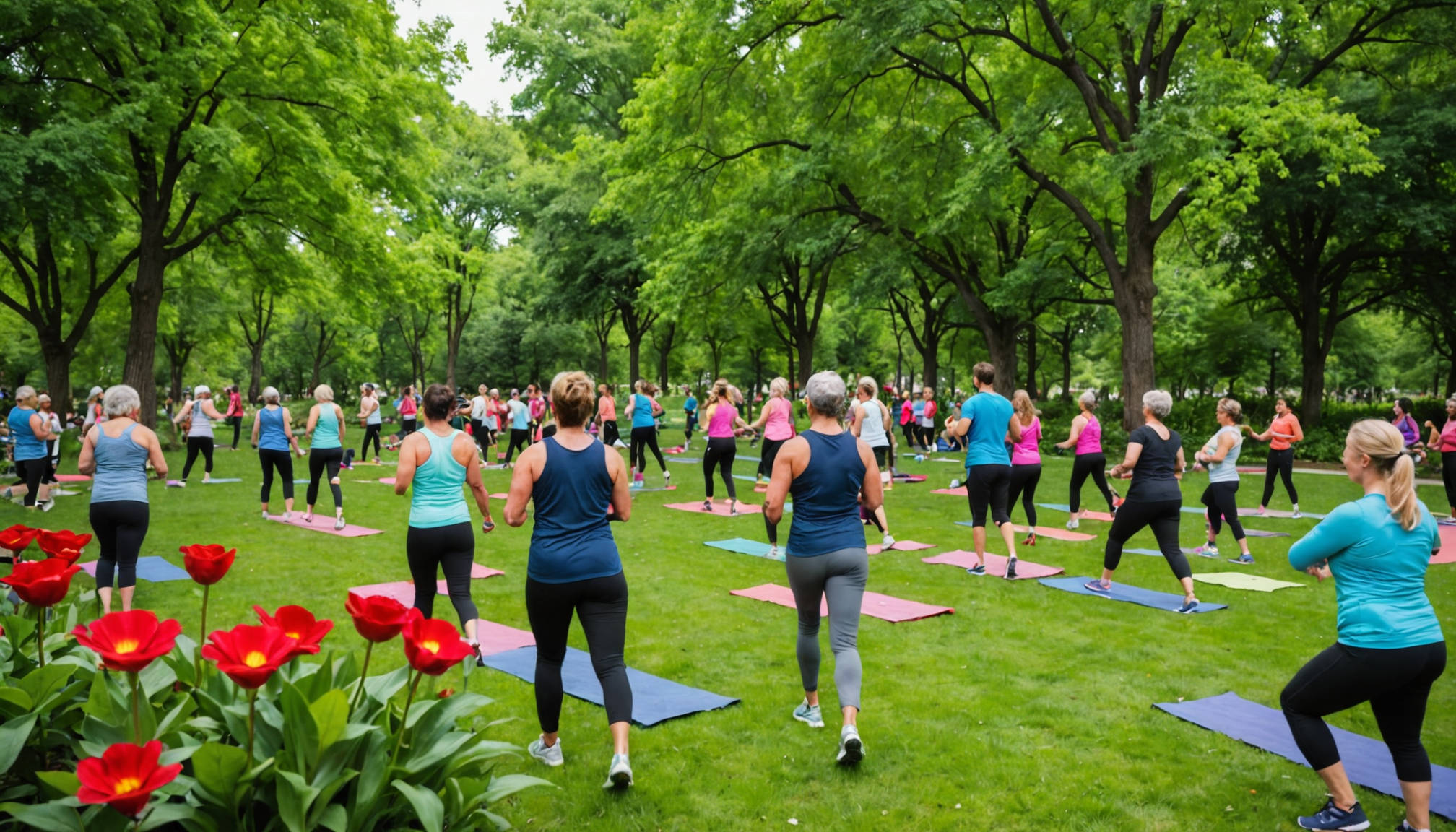
The influence of community and environment on health cannot be overstated, as they shape our daily experiences and ultimately our well-being. Imagine living in a community that prioritizes health, where green spaces invite you for walks, and friendships thrive on supportive connections. These elements create a nurturing backdrop that encourages individuals to embrace whole-person health, emphasizing the vital role of social environments in achieving holistic wellness. A supportive community can motivate individuals to engage in healthy behaviors, such as participating in group exercise classes or attending health workshops, thus fostering an environment where well-being is a shared value.
Conversely, consider the impact of a detrimental environment. Poorly maintained neighborhoods with limited access to nutritious food options or healthcare resources can discourage individuals from pursuing a healthy lifestyle. When community offerings are scarce, such as parks or recreational areas, physical activity may decline, contributing to an array of health issues. This reveals the stark reality that our surroundings not only influence our choices but can also propagate cycles of health disparities. Understanding how environments shape our health leads us to question what roles each of us plays in creating spaces conducive to well-being.
Furthermore, environmental factors extend beyond immediate neighborhoods. The air we breathe, the quality of water we consume, and even the prevalence of pollutants in our surroundings can have profound implications for our holistic health. For instance, individuals living in urban areas with high levels of air pollution may experience increased respiratory issues, underscoring the need for clean environments as a pillar of health. The Adventist emphasis on stewardship of both our bodies and the environment underlines the interconnectedness we experience, encouraging us to reflect on how our choices can enrich or diminish community health.
As we navigate the intricate tapestry of our lives, it becomes clear that our health is a collective effort, intricately woven into the fabric of our communities. Engaging with those around us not only enriches our individual experiences but also enhances the collective well-being. This demands a proactive approach to foster connections and advocate for healthier environments, igniting a passion for positive change in our neighborhoods. Each interaction, each choice, and each moment spent in our communities contributes to a broader sense of belonging, ultimately shaping a landscape that champions wellness for all.
- What is whole-person health?
- Whole-person health refers to an integrated approach to well-being that encompasses physical, emotional, spiritual, and social aspects of an individual’s life. It emphasizes the interconnectedness of these components, suggesting that true wellness can only be achieved when all areas are balanced and nurtured.
- How does community impact health?
- Community plays a pivotal role in health by providing social support, resources, and environments that encourage healthy behaviors. Supportive relationships and access to amenities can lead to better mental and physical health outcomes, while isolating environments can hinder wellness.
- What role does environment play in holistic wellness?
- The environment significantly influences our overall health, affecting everything from air quality to access to healthcare services. A healthy environment promotes physical activity and mental well-being, while an unhealthy one can exacerbate health problems.
- How can I improve my social connections to enhance my health?
- Improving social connections can involve engaging in community activities, joining clubs, or simply reaching out to friends and family more often. Building fulfilling relationships not only supports emotional health but also strengthens a sense of belonging and community.
- What are some practices to promote whole-person health?
- Practices include regular physical activity, mindful eating, spiritual reflection, and cultivating strong social ties. Implementing these into your daily life promotes balance and enhances overall wellness.
- Can poor environmental conditions affect mental health?
- Yes, poor environmental conditions, such as high pollution levels and lack of recreational spaces, can contribute to stress, anxiety, and other mental health issues. A supportive and healthy environment is essential for promoting mental well-being.
- How does spiritual health fit into whole-person health?
- Spiritual health provides a sense of purpose and connection, helping individuals navigate life’s challenges. Engaging in spiritual practices can enhance emotional resilience and contribute to overall holistic health.
Beside our live streamed church services, all are welcome to attend our church in person each Saturday beginning 10:00 AM Central Time by going to 2425 Owens Rd., Ashland, AL 36251. There is no cost and any donations are strictly voluntary.
For questions, call +2563547124.