Come join Ashland Sabbath Chapel Ministries each Saturday for live streamed church services. Bible Study begins at 10:00 AM Central Time and Sermon at 11:00 AM. Visit Our YouTube channel and watch from home!
Health check-ups play a crucial role in maintaining overall health and wellness. They serve as a proactive approach to healthcare, allowing individuals to catch potential health issues early before they become more severe. The significance of these assessments cannot be understated, especially within the context of preventative care, which is central to a long, healthy life.
Regular health check-ups can help identify risk factors that may lead to chronic diseases such as diabetes, heart disease, and hypertension. By routinely monitoring blood pressure, cholesterol levels, and blood sugar, individuals can make informed decisions about their lifestyle and dietary habits. This is particularly relevant for those with a family history of such conditions, emphasizing the need for vigilance. As noted by the American Heart Association, early detection can yield a significantly better prognosis and potentially lower healthcare costs in the long run (American Heart Association, 2020).
Moreover, health check-ups foster a relationship between patients and healthcare providers. This rapport can enhance patient satisfaction and improve the likelihood of adhering to medical advice. In many Adventist communities, the emphasis on holistic health— encompassing physical, mental, and spiritual well-being— aligns perfectly with the practice of regular check-ups. By ensuring that patients are not only treated when ill but are also cared for in a proactive manner, the focus shifts to overall wellness.
The significance of health check-ups lies in their ability to provide early detection, foster healthy lifestyles, and establish important healthcare relationships. Embracing a routine that prioritizes these assessments is fundamental to our collective health and quality of life.
Key benefits of regular screenings
Regular screenings present a myriad of advantages that not only contribute to individual well-being but also enhance the communal health landscape. Among the most commendable benefits is the early detection of potential health issues. This early intervention can be the difference between managing a condition with relative ease and facing the grim consequences of late-stage diseases. For instance, screening for cancers such as breast or cervical can lead to lifesaving treatments when detected early, underscoring the need for vigilance in one’s health pursuits.
Furthermore, engaging in regular health check-ups may empower individuals to take charge of their wellness journey. It cultivates a greater understanding of one’s body and fosters an inquisitive approach toward personal health. By being privy to their health metrics—such as weight, blood pressure, and glucose levels—individuals can adapt their lifestyle choices more consciously. This proactive stance is particularly beneficial in the context of Adventist teachings that espouse a holistic approach to health, encouraging a balanced life that encompasses physical, mental, and spiritual wellness.
- Prevention of Disease: Screenings allow for the identification of risk factors before they escalate into serious health issues, enabling personalized prevention strategies.
- Informed Decision Making: Knowledge gleaned from regular check-ups helps individuals make educated choices about diet, exercise, and other health-related activities.
- Improved Quality of Life: By maintaining optimal health through routine screenings, individuals can enjoy a fuller, more active life, significantly boosting overall life satisfaction.
- Strengthened Doctor-Patient Relationships: Regular interactions with healthcare providers promote trust and rapport, facilitating better communication regarding health concerns.
Moreover, the psychological benefits of regular screenings should not be overlooked. The reassurance that comes from knowing that one’s health is being diligently monitored can alleviate the anxiety that accompanies uncertainty regarding health status. This peace of mind is invaluable in fostering a sense of wellness that enables individuals to pursue their daily endeavors with vigor and enthusiasm.
In essence, the key benefits of regular screenings extend far beyond the simple act of visiting a healthcare provider. They weave a tapestry of proactive health management, encouraging informed lifestyle choices while fostering relationships that underpin a supportive health community. Engaging in such vigilant practices undoubtedly contributes to a flourishing life, echoing the principles of preventative care that advocate for a life well-lived.
Common tests included in check-ups
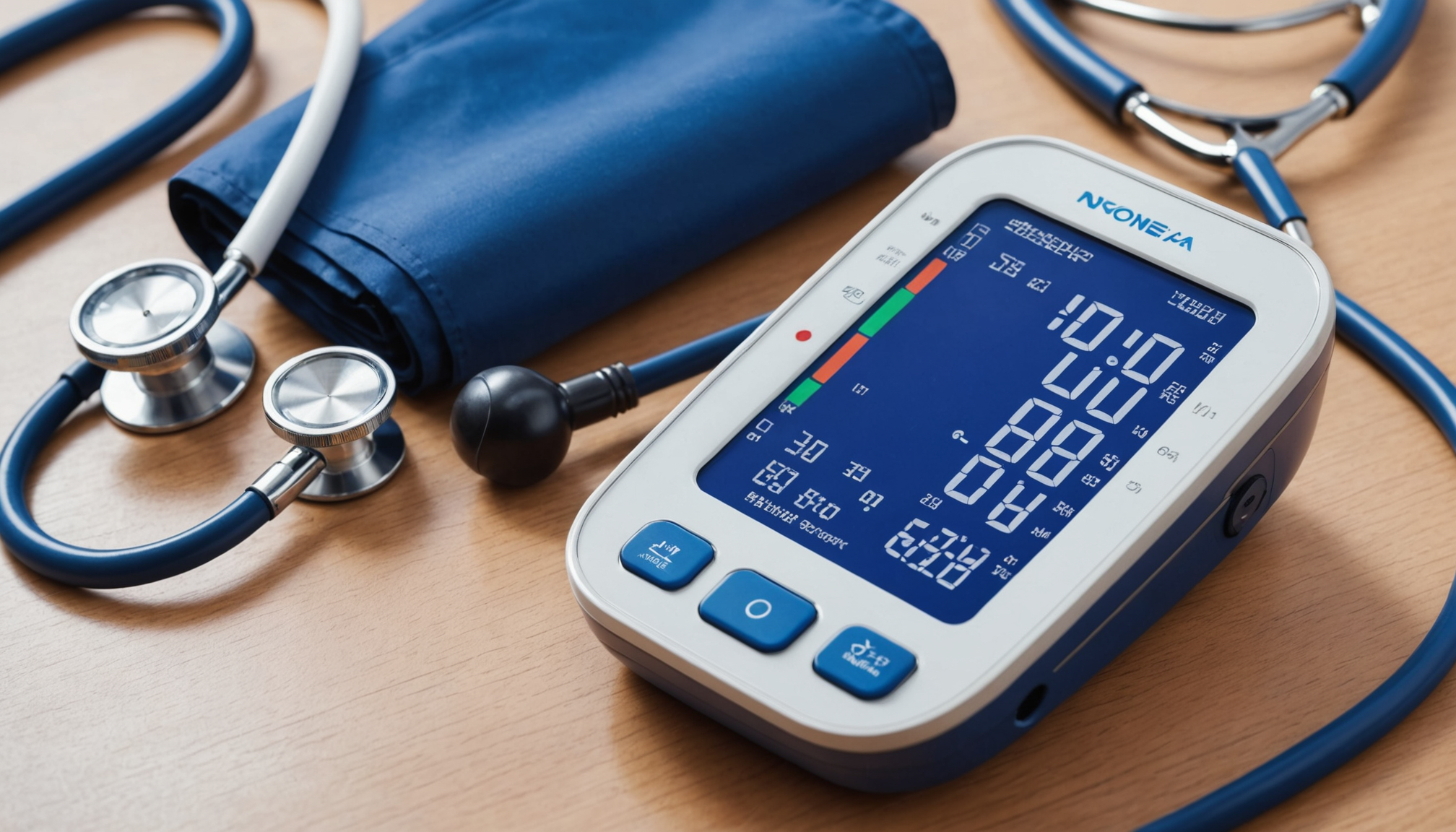
Health check-ups typically encompass a range of tests that vary depending on factors such as age, gender, and individual health concerns. Common tests included in these evaluations are designed to provide a comprehensive overview of one’s health status, detecting any deviations from the norm that may warrant further investigation or intervention.
One of the most common assessments is a blood pressure test. This simple yet vital check helps gauge cardiovascular health by measuring the force of blood against the walls of the arteries. Routine monitoring can help identify hypertension, a condition that, if left unchecked, can lead to serious complications such as heart disease or stroke.
Another frequently conducted test is the blood test, which can provide information on various health markers. For example, lipid panels assess cholesterol levels, while glucose tests can indicate the risk of diabetes. Knowing these numbers empowers individuals to make informed lifestyle choices, resonating with the Adventist emphasis on holistic health and wellness.
Body mass index (BMI) evaluations are also essential, as they help determine whether a person is at a healthy weight for their height. BMI assessments can flag obesity or underweight issues, prompting discussions about diet and exercise, integral components of preventative care.
Additionally, many check-ups include cancer screenings, tailored to age and gender. For example, mammograms for women and prostate-specific antigen (PSA) tests for men can lead to early detection of cancers, significantly improving treatment outcomes. Cervical cancer screenings in women, like Pap tests, also fall into this category, emphasizing the importance of preventative measures in combating disease.
Finally, skin examinations can be part of check-ups, particularly for those with a history of skin cancer or significant sun exposure. Dermatologists often advise regular skin checks to monitor for new or changing moles, again stressing the importance of early detection in health management.
The variety of tests performed during health check-ups underscores their importance in a comprehensive approach to health. Each test not only provides specific insights into individual health but also plays a vital role in creating a proactive healthcare narrative. By understanding and participating in these assessments, individuals can align with the principles of preventative care, fostering a healthier community centered on wellness.
How often should you schedule check-ups?
Determining how often to schedule health check-ups can be a bit daunting, as it often depends on individual health factors, age, and family history. However, the general consensus among healthcare professionals is that regular check-ups are essential for maintaining overall wellness. For adults, it is typically recommended to have an annual health check-up as a baseline, but certain factors may warrant more frequent visits.
For instance, individuals with chronic conditions or a family history of specific diseases may need to see their healthcare provider more often. Those suffering from diabetes, hypertension, or high cholesterol might require biannual assessments to ensure their conditions are managed effectively. In these cases, close monitoring can help prevent complications, align with the principles of preventative care, and encourage healthier lifestyle choices.
Moreover, age plays a critical role in determining the frequency of check-ups. As people transition through different life stages, their health needs evolve. Children and adolescents generally benefit from annual visits that track their growth and development, while adults may begin needing specific screenings at certain ages—such as mammograms for women starting at age 40 and prostate exams for men around age 50. This aligns well with the Adventist focus on holistic health, advocating tailored approaches to wellness through individualized care.
For seniors, regular health check-ups become even more vital. With aging comes an increase in the prevalence of chronic diseases, prompting the need for more frequent assessments. Annual check-ups can help identify risk factors early and initiate necessary treatments, capturing the essence of proactive health management.
It’s also important to consider lifestyle changes that could necessitate additional check-ups. Major transitions such as pregnancy, significant weight loss, or the onset of new health symptoms should prompt discussions with healthcare providers about scheduling follow-up appointments more frequently. In this way, individuals can remain attuned to their health status and leverage the support available through their healthcare team.
Ultimately, understanding the importance of regular health check-ups underscores the need for a consistent and proactive approach to well-being. By setting a schedule that aligns with personal health needs, individuals can take active steps toward safeguarding their health, embodying the spirit of preventative care and nurturing a community centered on wellness.
Tips for preparing for your health check-up

Preparing for a health check-up is an essential step that can profoundly influence the outcomes of the visit. To ensure an effective assessment, individuals should consider a few critical preparatory steps prior to their appointment. First and foremost, keeping a record of personal health history, including any medications, allergies, and previous medical conditions, is vital. This information not only informs the healthcare provider but also enhances the accuracy of the assessment performed during the check-up.
Next, it is prudent to have a list of questions or concerns ready for discussion. Whether it’s about specific symptoms, lifestyle changes, or family health history, bringing these points to the forefront facilitates an open dialogue with the healthcare provider. This proactive approach aligns with the principles of holistic health that Adventist teachings advocate, ensuring that mental and emotional health is addressed alongside physical concerns.
Another key preparation tip is to adhere to any pre-appointment guidelines provided by the healthcare provider. This may include fasting before blood tests or avoiding certain medications. Following such instructions can vastly improve the reliability of test results, ultimately allowing for informed decision-making regarding health and wellness. Additionally, individuals should consider their dietary habits leading up to the appointment; consuming balanced meals can provide a more accurate overview of health metrics during the check-up.
Furthermore, arriving early to the appointment can reduce stress and provide ample time to complete any necessary paperwork or preliminary tests. This also allows for a brief moment of reflection, which can enhance focus on the discussions to come regarding one’s health and preventative care strategies. By taking these steps, individuals not only empower themselves but also promote a more efficient and productive health check-up experience. Doing so reinforces the importance of taking charge of personal health within the community, aligning actions with beliefs surrounding wellness and prevention.
- How often should I get a health check-up?
- It’s generally recommended to have an annual check-up, but those with chronic conditions or higher risk factors may need to visit more frequently. Age and health status also influence how often check-ups should occur.
- What tests are typically included in a health check-up?
- A health check-up may include blood pressure tests, blood tests, BMI evaluations, and cancer screenings. The specific tests can vary based on age, gender, and health concerns.
- Can I prepare for my health check-up in advance?
- Yes, preparing beforehand is advisable! You can compile your health history, list concerns or questions, and follow any pre-appointment instructions given by your provider to ensure accurate results.
- Are health check-ups covered by insurance?
- Many insurance plans cover preventative health check-ups, but coverage may vary by plan. It’s essential to check with your insurance provider to understand what is included.
- What should I do if I have a chronic illness?
- If you have a chronic illness, it’s crucial to maintain regular check-ups, as your healthcare provider will need to monitor your condition closely. You may need more frequent visits to manage your health effectively and adjust treatments as necessary.
- Do I need to fast before a health check-up?
- Fasting requirements depend on the tests you will undergo. For instance, blood tests related to glucose and cholesterol levels often require fasting. Always verify instructions with your healthcare provider beforehand.
- How can regular health check-ups benefit my overall wellness?
- Regular check-ups help detect health issues early, foster a strong relationship with your healthcare provider, and allow for proactive management of your health, contributing significantly to overall wellness.
Ashland Ashland Sabbath Chapel
Beside our live streamed church services, all are welcome to attend our church in person each Saturday beginning 10:00 AM Central Time by going to 2425 Owens Rd., Ashland, AL 36251. There is no cost and any donations are strictly voluntary.
For questions, call +2563547124.