Come join Ashland Sabbath Chapel Ministries each Saturday for live streamed church services. Bible Study begins at 10:00 AM Central Time and Sermon at 11:00 AM. Visit Our YouTube channel and watch from home!
When people talk about dietary restrictions, they often picture a long list of “can’t haves,” but it helps to remember that most limits grow out of either genuine physical needs or wise choices for better health. Some are rooted in clear medical realities, others in convictions of conscience, and still others in the desire to guard the mind and body from habits that slowly undermine strength. Understanding the common types will keep you from feeling overwhelmed or confused when a new label, diagnosis, or trend crosses your path.
One of the most widespread restrictions today involves gluten. Many people cannot tolerate the proteins found in wheat, barley, and rye because their bodies react as though these grains were enemies. In conditions like celiac disease, the very lining of the small intestine is damaged, leaving a person unable to absorb the nutrients that should sustain life. Even those with non-celiac gluten sensitivity may suffer fatigue, headaches, or digestive distress after a plate of ordinary pasta or a slice of bread. When you realize that this is not a passing preference but a serious matter of health, it becomes easier to respect the person who must scan every ingredient list with careful eyes.
Dairy is another common troublemaker. Some are lactose intolerant and lack enough of the enzyme needed to break down the sugar in milk. They may enjoy ice cream in the moment, yet pay a painful price afterward with gas, cramps, or bloating. Others react not just to the sugar but to the proteins in milk, and for them even a small amount of cheese or yogurt can set off congestion, rashes, or inflammation. In such cases, choosing plant-based milks and cheeses is not a fad; it is a simple act of self-preservation that allows the body to find comfort and calm again.
Food allergies call for still greater vigilance. While an intolerance might leave a person uncomfortable, a true allergy can, in a short time, endanger life itself. Peanuts, tree nuts, shellfish, eggs, soy, and wheat are among the worst offenders. A child may seem perfectly fine one moment and be covered in hives or gasping for breath the next if a hidden ingredient slipped into a cookie or sauce. When you understand this, you will not tease someone for asking again and again, “Are there any nuts in this?” Instead, you’ll gladly make the table safe for them, knowing that love pays attention to details.
Then there are restrictions that arise from chronic conditions such as diabetes or heart disease. These are not always visible to those around, but they quietly shape every plate. A person with diabetes must be mindful of how quickly certain carbohydrates turn to sugar in the bloodstream. It is not merely the dessert that matters, but also the refined breads and sweetened drinks that steadily push blood sugar higher. Meanwhile, someone striving to reverse high cholesterol or protect damaged arteries may be urged to limit animal fats, processed meats, and fried foods. Here again, what may look like “picky eating” is often a thoughtful effort to protect the heart and prolong useful years.
Restrictions related to high blood pressure are also common. Too much sodium hidden in canned soups, sauces, deli meats, and snack foods can push blood pressure upward day after day, even when a person does not reach for the salt shaker. Some choose to eat mostly fresh, unprocessed foods, flavoring them with herbs, garlic, lemon, and other seasonings instead of relying on salt. It may seem simple, but over time this gentler, more natural way of preparing food can spare the blood vessels from relentless strain.
Beyond these medical needs, many choose to follow specific patterns of eating in the pursuit of greater wellness and clarity of mind. Plant-based or vegetarian diets leave off meat and often minimize rich, greasy fare. For some, this stems from concern for animals or the environment; for others, it grows out of a conviction that a simpler, more natural table brings stronger nerves, calmer thoughts, and sounder sleep. You might notice such a person avoiding heavy late suppers, rich desserts, and stimulating drinks, not because they are joyless but because they have learned how much better the body feels when we do not constantly burden it.
Religious and cultural practices add another layer of dietary guidance. Some faiths forbid pork or shellfish; others avoid combinations of foods or require that animals be prepared in a particular way. Certain days or seasons call for fasting or for abstaining from meat altogether. These are not mere human inventions; for many, they are expressions of obedience and reverence. When a friend declines a dish politely because of such convictions, it is a privilege, not a burden, to honor the boundary they must keep before God.
You may also meet those who exclude stimulants such as coffee, strong tea, or alcohol, believing that anything which dulls the senses or pushes the nerves beyond their strength weakens both body and character in the long run. While our age often celebrates whatever is boldest or most intense, there is safety in choosing gentler beverages and simple, nourishing foods. Over time, many find that it is easier to exercise self-control in all things when they are not continually agitating the nervous system with what they consume.
In the midst of these varied restrictions, the goal is not to become fearful of food but to understand it. Modern nutrition research often confirms what conscientious people have sensed for years: a diet rich in whole grains (for those who can tolerate them), fruits, vegetables, legumes, nuts, and seeds tends to guard against disease, support steady energy, and strengthen both body and mind. When limitations are seen in this light—as tools to protect life, rather than chains to rob it of joy—it becomes easier to accept your own needs and to show sympathy for the needs of others.
As you become more familiar with the reasons behind these different choices, you will be better prepared to look at your own habits honestly. You may begin to notice patterns in your health that you once ignored, or understand a friend’s careful ordering at a restaurant in a new way. This growing awareness forms a quiet foundation, helping you consider what changes might be wise for you personally, instead of simply following the crowd or resisting every suggestion that calls for restraint.
Identifying your personal health needs

Now, once you have a sense of what kinds of dietary restrictions exist out there, the question turns inward: What do you actually need? Not what the latest headline says, not what your neighbor swears by, but what your own body is quietly trying to tell you every day. That’s where the real work begins—peeling back habits, preferences, and advertising to listen to the evidence of your own experience.
A simple place to start is with patterns you may already suspect but have never tested. Think about your ordinary week: the meals you eat, the times you feel strongest, and the hours when you feel foggy or uncomfortable. Do you often grow sleepy after a heavy lunch? Do you wake up with a stuffy nose or a sour stomach? Does your skin flare when you eat certain foods two or three days in a row? These small clues are like little flags your body keeps waving, hoping you’ll stop long enough to notice.
One practical way to gather this evidence is to keep a brief journal—not a complicated project, just a simple record. For two weeks, write down what you eat, roughly when you eat it, and how you feel three or four hours afterward. Note things like energy level, mood, digestion, sleep, and any headaches or skin issues. By the end of those days, you may see surprising connections. You might discover that every time you drink a big glass of milk at night, you sleep restlessly, or that refined sweets in the afternoon are always followed by an evening crash of irritability and fatigue.
As those patterns emerge, it helps to remember that not every discomfort points to a full-blown allergy or a serious disease, but neither should it be ignored. A constant low-grade upset stomach after certain meals, recurrent bloating, or persistent brain fog after eating are not “just how life is.” They may be gentle warnings. When you trace them back to particular foods or combinations, you begin to see where wise limits could greatly improve your daily comfort and long-term wellness.
At the same time, personal observation has its limits. There are things you can see from the inside and things that require outside measurement. Blood pressure, blood sugar, cholesterol, and certain nutrient levels can quietly slip out of a healthy range without causing any obvious symptoms at first. So if you haven’t had a basic check-up in some time, that step is worth more than a stack of diet books. A simple panel of lab tests, a blood pressure reading, and an honest conversation with your provider can uncover needs that no amount of guesswork would ever find.
When those numbers come back, they’re not meant to frighten you, but to guide you. Say your blood sugar is creeping up into the prediabetic range. That is not a sentence; it is a warning light on the dashboard. It tells you that your body is having trouble managing the load of refined carbohydrates and sugars it meets every day. From there, your dietary restrictions don’t have to be random or extreme. You can make well-aimed changes—cutting back on sweetened drinks, trading white bread for whole grains, choosing fruit instead of dessert most nights—all with the clear goal of bringing that number down and preserving your health.
The same holds for high blood pressure or rising cholesterol. When you see those figures, it becomes easier to understand why there is such counsel to limit salty processed foods, trans fats, and heavy animal products. Without the numbers, advice can feel vague and optional; with the numbers in front of you, it becomes personal. You’re no longer avoiding certain foods because someone said they are “bad,” but because you have tangible evidence that your body is already bearing the strain.
It’s also important to think about nutrition in terms of what may be missing, not just what must be removed. Many people march bravely into new eating patterns, cut out major food groups, and then wonder why they feel weak or irritable after a few weeks. The body cannot thrive on absence alone. If you avoid dairy, for instance, you’ll want to be mindful of calcium and vitamin D from other sources. If you eat little or no animal products, you need a thoughtful plan for protein, vitamin B12, iron, and omega-3 fats. Identifying your personal health needs means asking, “What must I add to build strength?” as well as, “What should I set aside to reduce harm?”
Here again, a few simple tests can save you years of guessing. Low iron may show itself in fatigue and shortness of breath on exertion. Vitamin D deficiency can contribute to low mood and aches that seem to have no other explanation. Rather than blaming everything on age or stress, you can ask your provider to check these basic nutrients. If something is lacking, specific, targeted changes to your diet—or, when needed, carefully chosen supplements—can restore strength and calm in a way that random experiments never could.
Of course, not all needs are written in your bloodwork. Some are written into your family history. If several close relatives have suffered from heart disease at an early age, or if diabetes threads its way through your family tree, you are wise to take that seriously. That doesn’t mean you are doomed, but it does mean your margin for carelessness may be smaller. For someone with such a background, choosing a diet rich in plant foods, low in saturated fat, and cautious with sugar is not merely admirable; it is a direct response to a known risk. You are taking the warnings of the past and turning them into protection for your future.
There’s another layer that’s easy to overlook: how food affects your mind as well as your body. Some people notice that when they live on coffee, sugar, and quick bites snatched on the run, their thoughts become restless and scattered. They snap more easily, sleep more fitfully, and find it harder to turn their minds toward anything steady or uplifting. Then, when they quietly shift toward regular meals, simple whole foods, and gentler drinks, a different kind of clarity settles in. Identifying your personal health needs means paying attention to this mental and emotional side too. It may be that certain foods are not only upsetting your stomach but also robbing you of calmness and focus.
As you sort through all this information, it’s easy to feel pulled in many directions—one friend urging you to try a high-protein diet, another praising a strict low-fat plan, and articles arguing for everything in between. Here it helps to return to first principles. The body was designed to flourish best on foods that are as close to their natural state as possible: whole grains (for those who tolerate them), fruits, vegetables, legumes, nuts, and seeds. Most personalized adjustments can be built on that foundation. Whether you need to reduce sodium, avoid gluten, or limit certain fats, you will rarely go wrong when most of your plate is filled with simple, unprocessed, plant-based foods.
In all this, remember that your goal is not to collect labels for your way of eating, but to understand the path that best supports your own health and duty. The label can change with fashion; your actual needs do not. They may shift a little with age, with pregnancy, with illness or recovery, but the underlying question remains the same: “What pattern of eating allows me to serve, think, and live at my best?” When that is your aim, the sacrifices required by specific dietary restrictions begin to feel less like chains and more like carefully placed guardrails, keeping you from the cliffs’ edge.
Once you’ve begun to see these needs clearly—through observation, testing, and a bit of honest reflection—the next challenge is practical. It is one thing to know what you should eat and another to make it happen day after day. That is where planning comes in: taking these insights about your body and turning them into meals that are not only safe and wholesome, but also satisfying and realistic in the flow of your ordinary life.
Planning balanced meals within limitations
When you start turning your needs into actual meals, the first thing to settle in your mind is this: even with dietary restrictions, the body still needs the same basic building blocks—adequate calories, good quality protein, wholesome carbohydrates, healthy fats, vitamins, and minerals. The restriction simply shapes where you get them. A person who cannot have gluten still needs grains or starches; someone avoiding dairy still needs calcium and vitamin D; a friend watching her blood sugar still needs carbohydrates, but in a slower, steadier form. The goal is not a sparse table, but a wisely arranged one.
One simple way to think about balance is to picture your plate before you fill it. Modern research repeatedly confirms that plates rich in vegetables, fruits, whole grains, and legumes are linked with lower rates of heart disease, diabetes, and many chronic illnesses, while supporting healthy weight and overall wellness (see, for example, US Dietary Guidelines and large cohort studies like Willett & Stampfer, 2013). So start with a pattern something like this: about half the plate filled with vegetables and some fruit, a quarter with whole grains or starchy vegetables, and a quarter with beans, lentils, tofu, or other lean proteins. From there, you can adjust portions for your age, size, and activity level, but that basic outline keeps you from drifting into lopsided eating.
Take gluten-free eating as an example. Removing wheat, barley, and rye can easily push a person toward heavily processed substitutes—cakes, cookies, and breads that are free from gluten but rich in sugar and refined starches. Those foods may be necessary as occasional tools, but they cannot be the backbone of a strong diet. To build a better foundation, you can lean on naturally gluten-free staples: brown rice, quinoa, millet, buckwheat, oats labeled gluten-free, potatoes, and sweet potatoes. Combined with beans, lentils, nuts, seeds, fruits, and vegetables, these can form hearty meals that satisfy without constant dependence on specialty products. Studies on celiac patients show that those who choose more minimally processed, naturally gluten-free foods often achieve better fiber intake and more stable weight than those who mainly rely on gluten-free snack items (Saturni et al., 2010).
If dairy is your main concern, the planning shifts a little, but the principles stay the same. The American Academy of Pediatrics and other organizations point out that adequate calcium and vitamin D are vital for bone health and nerve function at all ages, not only in childhood. Without dairy, those nutrients can still be supplied through fortified plant milks (such as soy, oat, or almond), calcium-set tofu, leafy greens like collards and kale, and certain fortified juices or cereals. Here, reading labels becomes part of wise planning: choosing a plant milk with added calcium and vitamin D, and, if possible, a bit of protein, allows it to truly replace cow’s milk in your diet instead of simply acting as a flavored drink.
Planning for blood sugar control calls for another kind of attentiveness. Rather than avoiding all carbohydrates, the evidence supports focusing on type, timing, and quantity. Whole, intact grains and legumes tend to be digested more slowly than white bread and sugary drinks, leading to gentler rises in blood glucose (Jenkins et al., 2002). So, when arranging your meals, you might pair a serving of steel-cut oats with nuts and berries in the morning, instead of sweetened cereal and juice; at lunch, choose a bowl of bean and vegetable soup with a slice of whole-grain bread, instead of a large portion of white rice alone. The protein, fiber, and healthy fats in these combinations act together to slow digestion and make you feel satisfied longer.
For blood pressure and heart health, planning centers around reducing sodium and unhealthy fats while keeping flavor and enjoyment. The DASH (Dietary Approaches to Stop Hypertension) eating pattern, which emphasizes fruits, vegetables, whole grains, legumes, nuts, and low-fat dairy (or equivalents), has been consistently shown to lower blood pressure in controlled trials (Sacks et al., 2001). If you avoid dairy, you can still borrow the heart of that plan, simply drawing your proteins from beans, lentils, tofu, and unsalted nuts instead. Herbs, garlic, onions, lemon juice, and vinegar can stand in for much of the salt you once used. When seasoning beans or soups, adding layers of flavor with spices and aromatics keeps the food interesting without the constant shake of the salt cellar.
Now, when you have more than one restriction at once, it may feel like building a house with fewer tools, but the structure is still possible. Say you are gluten-free, dairy-free, and watching your sodium. You could plan a day like this:
- Breakfast: Warm bowl of gluten-free oats cooked with fortified soy milk, topped with ground flaxseed, sliced banana, and a small handful of walnuts, flavored with cinnamon rather than salt or sugar.
- Lunch: Large salad of mixed greens, shredded carrots, cucumber, tomatoes, chickpeas, and quinoa, dressed with olive oil, lemon juice, and herbs. A side of fresh fruit.
- Supper: Baked sweet potato topped with black beans, sautéed onions and peppers (cooked in a little olive oil), and a spoonful of avocado. Steamed broccoli on the side, sprinkled with toasted seeds instead of cheese.
Every meal in that pattern is free from gluten and dairy, moderate in sodium, and still carries protein, fiber, healthy fats, and a broad array of vitamins and minerals. It is not fancy, but it is well-built. This is the kind of quiet planning that, day by day, protects health far better than an occasional burst of strictness followed by discouragement.
To make such planning sustainable, it helps to think in terms of “building blocks” rather than isolated recipes. Choose a few staple foods in each category that you genuinely enjoy and can keep on hand most of the time:
- Grains and starches (within your limits): Brown rice, quinoa, rolled or steel-cut oats, potatoes, sweet potatoes, corn, millet.
- Proteins: Beans (black, pinto, kidney, garbanzo), lentils, tofu or tempeh, unsalted nuts and seeds, eggs if you tolerate them.
- Vegetables and fruits: A mix of fresh and frozen so you are not at the mercy of weekly shopping. Dark leafy greens, carrots, broccoli, onions, peppers, berries, apples, and oranges are sturdy standbys.
- Healthy fats: Olive oil, avocado, nuts, seeds, and nut butters, chosen according to any personal or medical fat restrictions.
Once you have your building blocks, you can assemble them in different ways without starting from nothing each time. Leftover brown rice becomes the base for a stir-fry the next day; beans cooked in a large batch can appear in soup, salad, and burrito bowls. This kind of batch cooking has been shown to improve adherence to healthier eating patterns simply because it lowers the daily effort barrier; when wholesome choices are already prepared or half-prepared, it takes less willpower to follow through.
Label reading is another quiet skill that keeps you from being caught off guard. Processed foods often harbor hidden gluten, lactose, excessive sodium, added sugars, or unhealthy fats. When you glance at an ingredient list, you are looking for two main things: the presence of what you must avoid and the quality of what remains. A shorter list, made of ingredients you recognize and could reasonably have in your own kitchen, usually signals less processing. For those with allergies, checking for “may contain” or “processed in a facility with” statements is not overcautious; it is simply part of ordinary life, like buckling a seatbelt.
All this planning would be incomplete if it did not account for appetite and enjoyment. The body does not thrive on blandness and duty alone. There is a reason why, in nearly every culture, herbs and spices have been used not just for flavor but for comfort and health. Ginger can soothe digestion; garlic and onions contain compounds associated with cardiovascular benefits; colorful spices like turmeric and paprika bring antioxidants along with warmth and depth of taste. When you learn to lean on these instead of sugar and salt for flavor, you discover that food can be both safer and more satisfying than before.
It is also wise to pay attention to timing. Research on satiety and metabolism suggests that regular meals, spaced fairly evenly, often support better blood sugar stability and energy than constant snacking or heavy late-night eating. Many find that a solid breakfast and midday meal, with a lighter supper and little to no late-night eating, helps digestion and sleep. If you know that certain foods disturb your rest—such as caffeine, heavy meats, or rich desserts taken late—part of your meal planning will simply be to place them earlier in the day or let them go entirely. Over time, the comfort of restful sleep often feels like a better reward than any evening indulgence.
You may wonder how all this careful arranging fits with real life—work schedules, children, tight budgets, and the sudden turns that come in every household. Planning balanced meals within limitations is not about perfection, but about biasing the ordinary day in a better direction. Cooking once and eating twice by making extra portions, keeping a few wholesome shelf-stable items (like beans, oats, and frozen vegetables) for weeks when shopping is difficult, and learning a handful of “emergency meals” you can assemble in fifteen minutes—these small strategies carry more weight over the years than occasional elaborate efforts.
Throughout, it helps to remember why you are planning at all. The point is not to earn virtue by your plate, but to supply your body and mind with what they need to do their work well. When you have found a rhythm of eating that steadies your blood sugar, calms your digestion, and clears your thinking, the sacrifices involved in certain restrictions feel less like chains and more like a fair trade. You give up a little convenience or a passing pleasure and receive, in return, strength for the tasks and responsibilities given you.
Of course, life does not unfold only in your own kitchen. Even with the best home planning, you are bound to face potlucks, workplace gatherings, and restaurants where control over ingredients is limited. The same principles that guide your everyday meals can guide you there as well, if you take a moment to prepare your mind and your choices ahead of time.
Managing social situations and eating out
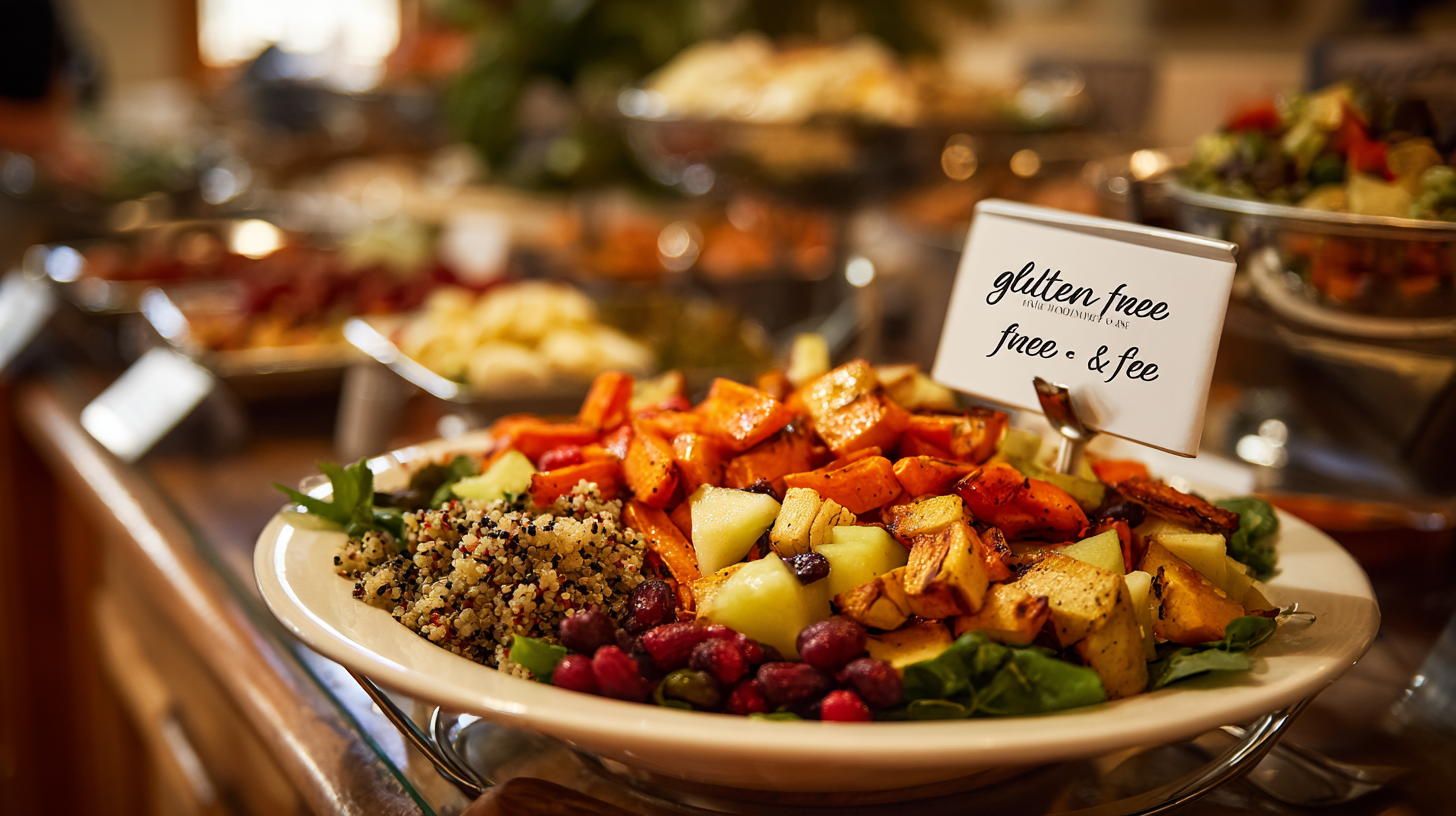
You know as well as I do that home is the one place where your plate will usually obey you. It is when you step beyond your own front door—into church suppers, office parties, bustling restaurants, or the dining rooms of well-meaning relatives—that your dietary restrictions are truly put to the proof. Yet it need not be a tragedy, nor even a constant vexation. With a little quiet foresight, you may walk into most occasions with more composure than dread, and enjoy the company as much as the food, if not more.
Let us begin with those gatherings where the food appears like a surprise army: potlucks, buffets, and community meals. You arrive; the tables are covered; a dozen hands have prepared dishes whose histories are entirely unknown to you. In such scenes, the simplest act of self-preservation is to bring at least one dish that you can safely eat and share. It may sound very humble, almost too plain a stratagem to mention, but it is astonishing how much peace it offers. If there is at least one generous bowl or pan that you know has been composed in harmony with your needs, you are no longer cast upon the mercy of mystery casseroles and salads whose dressings conceal treacherous ingredients.
Imagine you must avoid gluten and dairy. You might bring a large platter of roasted vegetables with chickpeas, dressed in olive oil, lemon, and herbs, or a hearty quinoa salad filled with tomatoes, cucumbers, and fresh parsley. Place it among the other dishes as a gift, not as a private provision, and watch how many gravitate to it with relief, even those who never speak of restrictions at all. In this way, you protect your own health and quietly contribute to the wellness of others, without a word of complaint.
Buffets offer a different puzzle. Everything is visible, yet little is labelled. Here, your best allies are your eyes and a certain calm deliberation. Before you take a single spoonful, walk slowly all along the line. Survey the whole field, as a general would, and decide where your safest choices lie. Often, there will be at least a few plainly prepared items: a tray of fresh fruit, a simple salad, perhaps steamed vegetables or a plainly baked potato. Build your plate around these, and only then consider whether there is room and safety for anything more elaborate.
There is a temptation, when you feel limited, to rush, to grab “something” simply because you fear there will be nothing. But haste is the enemy of good judgment. Taking a few extra minutes to look, to inquire gently of a server, or to ask, “Does this contain cheese?” or “Were any nuts used in this?” can spare you an evening of discomfort—or, for those with allergies, something far more serious. Remember that a polite, specific question is far easier for others to answer than a vague, anxious, “Is this okay?”
Restaurants, too, need not be scenes of quiet despair. The first victory is won before you even arrive, with a few minutes of preparation. In our age, most menus live on the internet as openly as they lie on the table. If you know you will be meeting friends at a particular place, glance at the menu beforehand. See whether there are dishes that suit your needs with only a few small adjustments. If nothing appears promising, a brief phone call earlier in the day can do wonders: “I must avoid dairy and shellfish; is there something your kitchen could prepare for me?” Many chefs take pride in such accommodations when they are asked kindly and in advance, instead of confronted at the last possible moment.
Once seated, choose the simplest dishes as your first resort. A grilled vegetable plate, a salad with dressing on the side, a baked potato, plain rice, beans, or a piece of simply cooked fish or tofu—these are more easily adapted than elaborate sauces and layered entrées whose ingredients no one can recite. You might ask for olive oil and lemon instead of a creamy dressing, or request that a dish be prepared without cheese. Servers are much more forgiving of a few clear requests than of a long speech that leaves everyone bewildered.
Now, I know you may sometimes feel that such questions make you troublesome, as if you were born to plague the kitchen and disturb everyone’s ease. But consider that those same kitchens daily field requests for extra cheese, no onions, sauce on the side, and an infinite variety of other whims that have nothing to do with health. There is no shame in guarding the body entrusted to you. The only art you must cultivate is to do it with gentleness: a smile, a “please,” and a “thank you” will carry your needs into many a cook’s good graces.
Social situations are rarely confined to the food alone. There is also the company—friends, relatives, acquaintances—who may or may not understand what you are attempting. At times you will meet heartfelt sympathy, at others mild teasing, and, occasionally, outright skepticism. Here, your manner will often teach them more than your explanations. If you complain at every turn, dramatize every avoidance, and recite the martyrdom of your plate at each meal, they will grow weary and perhaps resentful. But if you quietly choose what supports your health, accept what you cannot have with good humor, and keep the conversation to other, more cheerful topics, most people will soon take your limits as calmly as you do.
When someone presses, as some inevitably will—“Oh, just this once won’t hurt!”—you need not launch into a lecture on nutrition and immune responses (though you may be well able to do so). A few simple phrases, delivered kindly but firmly, will usually suffice: “Thank you; I actually feel much better when I avoid that,” or, “My doctor has asked me to be strict about this,” or even, “It looks delicious, but I really must pass.” The more you say such things without drama, the sooner people learn that your boundaries are steady, and that you will not be coaxed into risking your health for the sake of another person’s comfort.
Visiting in other people’s homes adds another delicate layer, because there, hospitality and affection are on the table along with the food itself. Few things wound a kind host more than feeling that their efforts have been spurned. To prevent such hurt, a little foresight is again your best friend. If you are invited to dinner, and your restrictions are significant, it is perfectly courteous to say ahead of time, “I should let you know that I need to avoid gluten and dairy. Please don’t worry about making a special menu for me—I am very happy to bring along a dish that works for me and share it with everyone.”
Most thoughtful hosts will at once either plan something simple that fits your needs or gratefully accept your offer. Yes, there may be the occasional soul who insists that it is all “nonsense,” but you are not obliged to endanger yourself in order to preserve their illusions. You may still admire their table, praise their efforts sincerely, and yet touch only the foods that are safe for you. If you taste nothing from a particular serving dish, you can say honestly, “It looks wonderful; I wish I could try it, but I have to be very careful.” Kind people will understand; unkind ones would find fault no matter what you did.
There will be times, too, when you face a table at which almost nothing is safe. Perhaps you are traveling, and options are scarce; perhaps a gathering unexpectedly offers nothing but buttery pastries and creamy desserts to someone who can eat neither. In such moments, it is far better to eat lightly or even abstain than to betray your own health in order to avoid an awkward silence. You may content yourself with a small plate of fruit or raw vegetables, or simply a cup of tea or water, and later, when you are home, provide yourself with something nourishing. The temporary discomfort of feeling conspicuous is not to be compared with the physical discomfort—or danger—that could follow a careless choice.
Holidays present their own temptations, for they often come wrapped in tradition as tightly as in paper and ribbon. It is not merely food that is offered, but memories: Aunt Clara’s famous pie, your grandmother’s rolls, your cousin’s fudge. To decline such things may feel like refusing affection itself. Yet you and I both know that your body does not suspend its reality merely because the calendar is festive. Blood sugar, blood pressure, allergies, and intolerances do not take holiday.
One way to soften this conflict is to re-create cherished dishes in a form your body can welcome. A beloved stuffing may be prepared with gluten-free bread; a traditional dessert can sometimes be adapted with less sugar, different flours, or plant-based milks. Offer to bring these versions yourself, presenting them as grateful tributes to the old recipes, not as criticisms. Let others enjoy both the original and the revised; you take your portion from the one that guards your health. In this way, you may preserve the spirit of the celebration without abandoning the principles that keep you well.
Another strategy, especially at long events where rich foods abound, is to eat a modest, wholesome meal beforehand. Arrive neither ravenous nor overfull, but with your hunger already steadied by something that suits your needs—a bowl of soup, some beans and rice, a hearty salad. Then the holiday table need not bear the whole burden of feeding you. You may savor a small taste of what is safe and fitting, but you are no longer driven to excess by sheer appetite.
Of course, not every social occasion is about food. Yet in our time, it seems that nearly all of them involve it. Work meetings are held over pastries, conversations over coffee, grief is comforted with casseroles, and joy is celebrated with cakes. If you waited only for perfectly arranged circumstances, you would scarcely leave your kitchen. Learning to navigate these scenes with composure is as much a part of your health as the recipes you practice at home.
What makes this navigation easier, truly, is keeping in mind that your restrictions exist not to rob you of enjoyment, but to preserve your ability to participate in life. When a certain food leaves you foggy, in pain, or unwell for days, it steals far more from your social life than the brief awkwardness of saying “no, thank you” ever could. There is a curious freedom that comes when you fully accept your own limits. You stop bargaining with them, stop testing them “just this once,” and instead treat them as the fixed conditions of the journey, like the weather or the length of the day.
With time, those around you grow accustomed. Friends learn which restaurants suit you; family members remember to set aside a small portion of the vegetables before adding the cheese or the sauce; hosts begin to ask, “Is this all right for you?” before finalizing their plans. Your steady, courteous consistency teaches them what no lecture could. And as they adjust, you discover that you are not, in fact, a perpetual burden, but simply a person who knows what is needed to maintain health, strength, and usefulness.
In the end, social occasions and meals away from home become less a battlefield and more a familiar landscape, with certain paths you know to avoid and others you gladly follow. You will not manage every situation perfectly; no one does. There will be times when you misjudge a dish, or accept something in haste, and pay for it afterwards. Yet even these missteps serve a purpose, reminding you why your boundaries exist and strengthening your resolve to honor them more wisely next time.
As you keep practicing this quiet art—preparing when you can, asking politely when you must, declining gently when you should—you will find that your world does not shrink nearly as much as you feared. Instead, it simply rearranges itself around what truly sustains you. Companionship, conversation, shared laughter, useful work, and clear thought: these become the main course, while food, though still a pleasure, takes its rightful place as the servant of your life, not the master of it.
Maintaining long-term success and flexibility
Staying faithful to your dietary restrictions over months and years depends less on heroic willpower and more on building a way of life that quietly supports your choices. Early enthusiasm or a worrisome diagnosis can carry you for a time, but those first feelings eventually fade. What remains are routines, habits, and convictions that either uphold your health or slowly pull you back into old patterns. If you want lasting change, it helps to stop asking, “How strict can I be for a few weeks?” and instead ask, “What can I live with peacefully, year after year?”
One of the most powerful tools for long-term success is to treat your plan as a flexible framework rather than a set of brittle rules. Imagine a tree that bends with the wind instead of snapping; your approach to food should have the same kind of give. You might have clear boundaries—no gluten, no shellfish, no sugary drinks—but within those fences, allow yourself room to adjust portions, try new recipes, and respond to changing seasons of life. A rigid list that cannot bear any pressure often invites rebellion; a thoughtful pattern that can adapt still keeps you pointed toward health even when life grows busy or stressful.
This is where the idea of “non-negotiables” can help. Choose a small handful of practices that you will keep almost no matter what: perhaps drinking water instead of soda, filling half your plate with vegetables at the main meal, avoiding a known trigger food completely, or not eating late at night. These become the pillars of your day. Around them, you can be more flexible—maybe dessert once a week instead of never, or a wider variety of grain choices if your body allows. By protecting a few key habits with special firmness, you give your health a stable anchor even when circumstances around you keep shifting.
Just as important as what you resolve is how you speak to yourself when you stumble. There will come a day when you miss a label, accept a dish you should have refused, or slip back into old ways under stress. In those moments, harsh self-condemnation rarely leads to better choices; it often drives people deeper into discouragement and more careless eating. A wiser response sounds more like this: “I see what happened. I understand why it happened. Now, what can I adjust so that next time I’m better prepared?” Instead of turning a single misstep into a total collapse, you treat it as a lesson—a data point in the ongoing experiment of your life.
That kind of mindset is especially vital when your needs change over time, as they nearly always do. The plan that served you at twenty may not suit you at fifty. Pregnancy, illness, recovery from surgery, shifts in work or family roles—all of these can alter your energy demands, digestion, blood sugar patterns, and sleep. Wise flexibility means you remain attentive to new signals: a lab test that begins to drift, a return of old symptoms, or a new weakness that was not there before. Rather than clinging stubbornly to a pattern that once worked, you ask again, “What does my body need now?” and you are humble enough to revise your approach in the light of better understanding.
To keep from losing your way in this process, it helps to revisit your core reasons regularly. Why did you begin honoring these restrictions in the first place? Was it to calm painful digestion, protect your heart, manage blood sugar, honor a conviction of conscience, or pursue clearer thinking and better wellness? Write those reasons down somewhere you will see them—a journal, a note on the refrigerator, a card in your wallet. On weary days, when the effort feels inconvenient or lonely, rereading those simple truths can steady your resolve far more effectively than any complicated plan.
Support from others can also make the difference between a short-lived effort and a genuine change of life. If you have family members who share your aims, involve them in planning meals, trying new dishes, and thinking through challenges together. If your household does not share your restrictions, look beyond it: a friend who texts you photos of the wholesome lunches she’s packed, a small group that swaps recipes free from common allergens, or an online community that discusses practical nutrition choices. The point is not to find a crowd that pressures you, but companions whose presence reminds you that you are not the only one swimming against the current.
Routine is another quiet ally. At first, every meal may feel like a puzzle: What can I eat? What must I avoid? How do I replace this favorite dish? Over time, however, you can turn some of those questions into settled patterns. Perhaps you adopt a simple rotation—oats or another whole-grain porridge for breakfast, bean-based lunches, vegetable-rich suppers built on a few staple recipes you know by heart. The more decisions you settle in advance, the less energy you spend arguing with yourself at every meal, and the more room you have to notice when something truly needs adjustment.
Still, routine should not harden into boredom. One of the easiest ways to drift away from a healthy plan is to let your plate grow dull and repetitive. Curiosity can protect you here. Explore new herbs, spices, and methods; experiment with vegetables you rarely buy; learn how other cultures prepare naturally simple, plant-centered dishes. You might discover that there are entire cuisines—Mediterranean, Middle Eastern, many traditional Asian and African dishes—that already lean toward the very pattern you seek. The more you see your restrictions as a doorway into a wider world of food rather than a prison cell, the easier it becomes to remain faithful to them.
There is also wisdom in planning for your weakest moments instead of pretending they will never come. Ask yourself honestly: When are you most likely to break your own rules? Late at night when you are tired? During long workdays when you forget to pack a meal? At social events where desserts are everywhere? Once you know your vulnerable times, you can design small safeguards: keeping wholesome snacks on hand, preparing a simple supper in advance, eating a nourishing meal before you leave home, or deciding ahead of time what you will choose from a menu. You are not trying to become superhuman; you are simply making your healthiest choice the easiest one in the moments when your strength is low.
Part of maintaining flexibility is learning to adjust your expectations when life grows unusually difficult. There may be seasons of intense caregiving, grief, relocation, or financial strain when elaborate meal plans are not realistic. In those times, instead of abandoning all care, you might narrow your focus to the few practices that matter most for your condition: perhaps avoiding a specific allergen at all costs, keeping up with blood sugar monitoring, or preserving at least one substantial, vegetable-rich meal per day. Tell yourself plainly, “For now, this is enough.” When the season eases, you can rebuild more comprehensive patterns on that small foundation.
Remember, too, that long-term success is not measured only in numbers on a scale or results on a test, though those can be helpful. It also appears in subtler ways: better sleep, steadier mood, fewer headaches, calmer digestion, clearer thoughts, more energy for the duties and relationships that matter most. If you take time every few months to reflect on these quieter benefits, you may find that your efforts are bearing more fruit than you realized. That realization, in turn, nourishes your willingness to continue.
At some point, you may even find that your relationship with food has changed in ways you did not expect. Where once you felt driven by cravings or dulled by constant heaviness, you may begin to sense a new kind of freedom—a feeling that food is no longer ruling you, but serving you. Instead of living from treat to treat, you live from purpose to purpose, with meals arranged to support that purpose. If you listen closely, these changes can awaken deeper questions: What else in my life might be reshaped if I learned to accept beneficial limits? What other habits might I examine with the same honesty I brought to my plate?
The journey of managing long-term dietary restrictions is, in the end, about much more than food. It trains you to observe rather than ignore, to respond to truth rather than habit, to choose what strengthens you over what merely pleases for a moment. As you keep walking this path—imperfectly, perhaps, but sincerely—you may find yourself not only healthier in body, but more awake in mind and spirit. And that very awareness may stir you to keep learning: to ask better questions about how your body works, to seek out trustworthy knowledge, and to test that knowledge thoughtfully in your own experience rather than drifting with whichever trend grows loudest.
- How do I stay motivated to follow dietary restrictions over the long term?
- Anchor your motivation in clear reasons—such as reduced pain, better energy, or protection from disease—and remind yourself of them regularly. Track small improvements in sleep, mood, and digestion so you can see that your efforts are working, and allow some flexibility within your boundaries so your plan feels livable, not punishing.
- Is it ever okay to relax my dietary restrictions for special occasions?
- That depends on why the restriction exists. If it protects you from serious reactions or manages a condition like celiac disease or a severe allergy, you should not relax it; if it is a preference for better wellness, you may occasionally loosen it, but only with clear intention and awareness of how it will affect you.
- What should I do if I “slip up” and eat something I meant to avoid?
- First, address any immediate symptoms or medical needs if you have allergies or chronic conditions. Then, instead of dwelling on guilt, calmly review what led to the slip—hunger, poor planning, social pressure—and adjust your routines or environment so that next time your healthier choice is easier to make.
- How can I keep my restricted diet from feeling boring?
- Focus on variety in flavors, textures, and cooking methods rather than chasing endless new products. Experiment with different herbs and spices, explore global cuisines that naturally emphasize whole foods, and rotate new vegetables, grains, or legumes into your meals each week.
- Will I always have to follow the same restrictions, or can they change?
- Some restrictions, like those for life-threatening allergies or celiac disease, are lifelong, while others related to weight, blood pressure, or blood sugar may adjust as your health changes. Regular check-ins with a qualified professional and honest attention to your own symptoms can help you know when it is safe—or necessary—to revise your plan.
- How important is professional guidance for long-term dietary changes?
- Professional guidance is especially valuable when your restrictions are complex or tied to serious conditions, because it helps you avoid nutrient deficiencies and unnecessary limits. A registered dietitian or knowledgeable health provider can tailor general nutrition principles to your specific needs and adjust them as your situation evolves.
- What if my family or friends don’t support my dietary restrictions?
- You cannot control their reactions, but you can calmly and consistently honor your own boundaries. Explain your reasons briefly, avoid turning every meal into a debate, and seek at least one supportive person or community so you are not relying entirely on reluctant companions for encouragement.
Beside our live streamed church services, all are welcome to attend our church in person each Saturday beginning 10:00 AM Central Time by going to 2425 Owens Rd., Ashland, AL 36251. There is no cost and any donations are strictly voluntary.
For questions, call +2563547124.