Come join Ashland Sabbath Chapel Ministries each Saturday for live streamed church services. Bible Study begins at 10:00 AM Central Time and Sermon at 11:00 AM. Visit Our YouTube channel and watch from home!
The gentle art of selecting nourishment, oh how it fills my thoughts like morning light streaming through kitchen windows! We mustn’t simply grab whatever catches our fancy at the market, no, there’s a deeper wisdom in choosing what graces our plates. Whole foods stand as nature’s perfect offering – untouched, unrefined, precisely as they were intended to be consumed.
Have you noticed how the most vibrant, colorful produce seems to whisper secrets of vitality? There’s truth in those whispers, my dear friends. The body recognizes these pure ingredients like old friends – legumes, nuts, fresh fruits, and vegetables in their natural glory. When selecting our daily bread, we seek the wholesome embrace of whole grains, turning away from the stripped, bleached alternatives that have lost their soul.
The selection principles are wonderfully straightforward, like a clear stream flowing over stones:
- Choose foods as close to their natural state as possible
- Embrace variety in colors and textures
- Avoid refined sugars and processed ingredients
- Select seasonal produce for optimal nutrition
- Read labels with the attention of a scholar studying ancient texts
Consider the humble apple, wearing its nutrients like a protective cloak, or the mighty quinoa, each grain a complete protein story unto itself. The health principles guide us toward foods that nourish not just the body, but uplift the spirit. Sugar, salt, and artificial additives? They’re like unwelcome guests at a carefully planned gathering – best kept to a minimum or shown the door entirely.
In my kitchen, I’ve found that the most satisfying meals emerge from ingredients I can trace back to their earthly origins. The weekly market becomes a treasure hunt, each selection a deliberate choice in crafting our wellbeing. How marvelous it is to fill our baskets with nature’s bounty, knowing each choice honors both our bodies and our Creator’s wisdom.
Plant-based cooking techniques
Let us delve into the delightful world of vegetarian cooking, where the transformation of humble plants into delectable dishes becomes an art form worthy of celebration. The key lies in treating each vegetable, grain, and legume with the respect it deserves, coaxing out its natural flavors through methods that preserve both nutrition and taste.
Steam rises like morning mist as vegetables dance in the pot, their colors growing more vibrant by the moment. This gentle cooking method, dear readers, preserves those precious nutrients that might otherwise escape in more vigorous preparations. For leafy greens, a quick blanching does wonders – just long enough to soften their fibers while maintaining their emerald brilliance.
The preparation of simple meals need not be a complicated affair. Consider the technique of roasting – how magnificently it transforms root vegetables! A light coating of olive oil, a sprinkle of herbs, and the oven’s warm embrace work together to create caramelized edges and tender centers. Sautéing with water instead of oil (a technique known as water sautéing) offers a lighter touch while maintaining flavor.
- Use vegetable broth for flavor instead of heavy sauces
- Embrace herbs and spices to enhance natural tastes
- Master the art of proper knife skills for even cooking
- Learn to layer flavors through careful ingredient sequencing
The ancient practice of bread making deserves special mention, for there is something deeply satisfying about kneading dough with one’s own hands. Whole grain flours, when combined with just the right amount of moisture and given proper time to rise, produce loaves that would make any baker proud. The secret lies in patience – allowing the yeast to work its magic unhurried.
In my kitchen adventures, I’ve discovered that legumes require particular attention. Soaking them overnight softens their disposition considerably, while cooking them with a strip of kombu seaweed renders them more digestible. These little tricks, passed down through generations of mindful cooks, make all the difference in creating meals that nourish both body and soul.
Sabbath meal preparation

Friday afternoon sunlight streams through kitchen windows as preparations begin for the sacred hours ahead. The house fills with aromas of fresh-baked challah and simple meals lovingly prepared in advance. Every dish must be ready before sunset, when work ceases and sacred time begins.
The art lies in planning meals that maintain their appeal through overnight warming. Hearty stews, fragrant casseroles, and slow-cooked dishes become faithful companions during these holy hours. A crockpot, set on low, keeps Sabbath lunch warm without crossing into the territory of cooking. Traditional cholent or a vegetarian bean stew, assembled Friday afternoon, develops deep, satisfying flavors as it gently simmers.
- Prepare fresh salads and cold dishes Friday afternoon
- Set up a hot plate or warming drawer before sunset
- Use thermal containers to keep foods at proper temperature
- Plan meals that taste better when made ahead
The kitchen counter becomes a staging area for Sabbath’s culinary delights. Cold dishes find their place in the refrigerator, while covered pots stand ready on the warming tray. Whole foods transform into nourishing meals that require no preparation during sacred hours – fresh fruit platters, hearty grain salads, and protein-rich legume dishes await their moment.
Timing orchestrates this Friday afternoon dance. The challah must finish baking with enough time to cool before being wrapped. Hot dishes need their final seasoning adjustments before taking their place on the warming tray. Even table setting becomes a meditation, each element carefully arranged before the sun dips below the horizon and tranquility descends.
Those who’ve mastered this art know that simplicity brings the greatest joy. A soup that simmered slowly all afternoon, crusty bread baked with loving hands, and dishes that celebrate both tradition and mindful eating – these create the perfect Sabbath table. When the last rays of Friday sun fade, everything stands ready for hours of peaceful enjoyment.
Vegetarian protein alternatives
Moving beyond traditional meat proteins opens up a world of nourishing alternatives that form the cornerstone of vegetarian cooking. Legumes stand as nature’s protein powerhouse – lentils, chickpeas, and black beans offering complete nutrition when properly prepared. Each variety brings its own character to the plate, from the earthy depth of kidney beans to the delicate flavor of navy beans.
Let’s consider the remarkable soybean and its versatile offspring. Tempeh, with its fermented complexity, provides a meat-like texture that satisfies even the most committed carnivore. Tofu, that chameleon of the kitchen, absorbs flavors like a willing student, transforming from silken smoothness to crispy chunks depending on preparation method. These companions become trustworthy allies in creating satisfying meals.
- Quinoa and amaranth – complete proteins in grain form
- Seitan – wheat protein with robust texture
- Nutritional yeast – protein-rich flavor enhancer
- Hemp seeds and chia – protein-packed garnishes
The protein puzzle comes together beautifully when we combine different plant sources. Brown rice with lentils creates a complete protein profile, while hummus served with whole grain pita delivers all essential amino acids. Nuts and seeds play their part too – almonds, walnuts, and pumpkin seeds offering protein alongside healthy fats.
In the practical realm, these alternatives require thoughtful preparation. Sprouting enhances the bioavailability of nutrients in legumes and seeds. Proper soaking techniques reduce anti-nutrients and improve digestibility. The key lies in understanding each ingredient’s nature – like knowing that cashews need just a quick soak while chickpeas benefit from overnight meditation in cool water.
For those transitioning to plant-based proteins, meat analogues can serve as training wheels. However, the true art lies in embracing whole food alternatives in their natural glory. A well-seasoned lentil loaf carries more integrity than processed substitutes, while marinated mushroom steaks offer satisfying umami without pretense.
Food preservation and storage methods
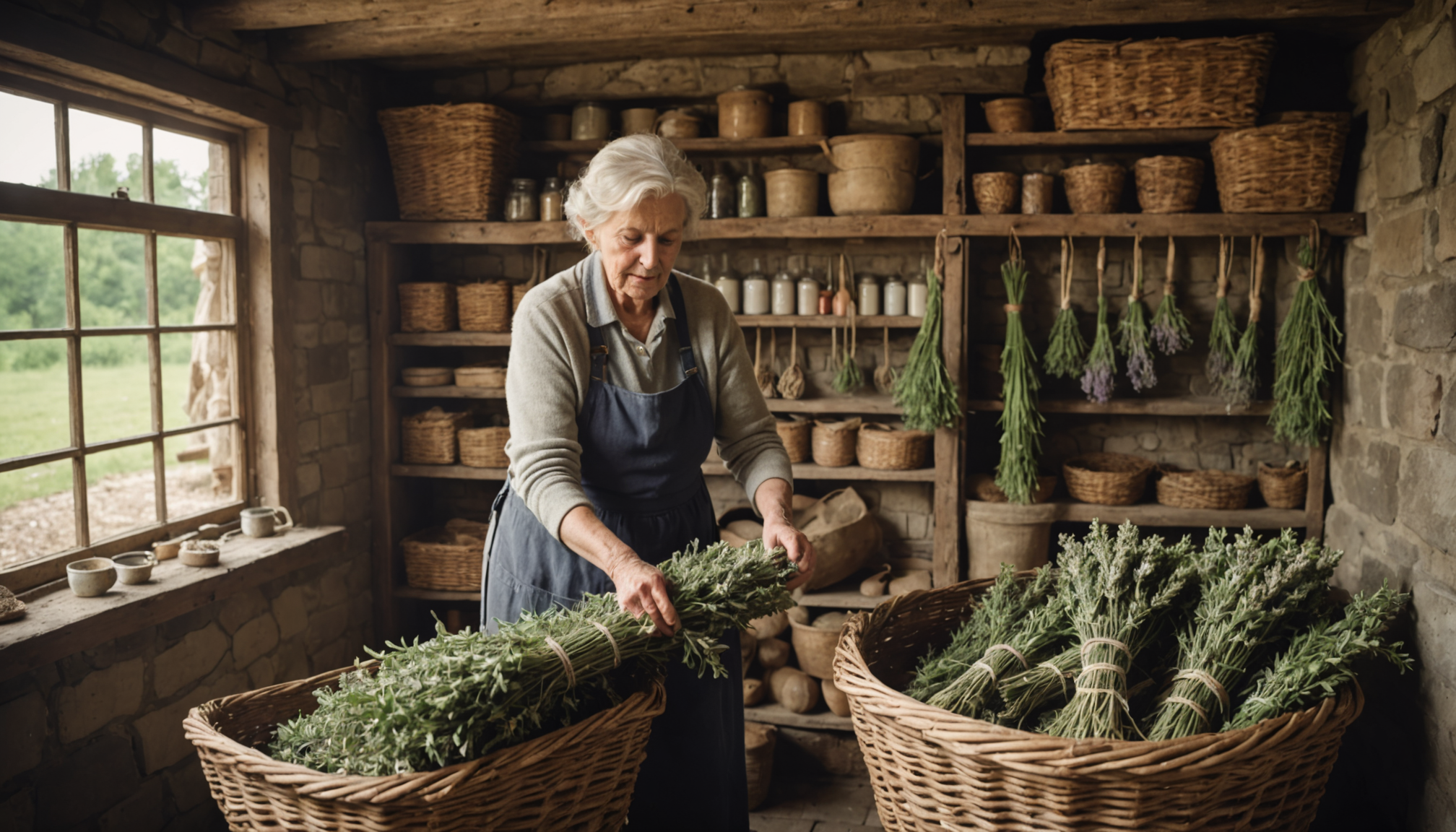 Understanding the art of food preservation transforms an abundant harvest into months of sustainable nourishment. Root cellars maintain vegetables at optimal temperatures, while proper canning techniques seal summer’s bounty into shelf-stable treasures. The practice of dehydrating fruits, vegetables, and herbs concentrates their nutrients while extending shelf life significantly.
Each preservation method requires specific whole foods preparation techniques. For fruits and vegetables, a light salt brine or natural fermentation creates probiotic-rich preserved foods. Sauerkraut, kimchi, and pickled vegetables develop complex flavors while maintaining their nutritional value. These traditional methods connect us to ancestral wisdom while providing year-round sustenance.
Essential storage guidelines include:
– Temperature control for different food types
– Proper moisture levels to prevent spoilage
– Light protection for sensitive items
– Air circulation for root vegetables
– Regular rotation of stored foods
Vacuum sealing extends the freshness of dried goods and prevents oxidation. Mason jars, properly sterilized, become vessels for preserved fruits and vegetables. The freezer becomes an ally in maintaining seasonal produce, though careful wrapping prevents freezer burn and maintains quality.
Herbs require gentle handling – some dry best hanging in bundles, while others maintain potency through freezing in oil. Each storage container must be thoroughly cleaned and dried, as moisture becomes the enemy of preservation. Natural preservatives like salt, vinegar, and honey have served generations faithfully in food storage.
Labels become crucial partners in this preservation dance, noting dates and contents clearly. The pantry transforms into an organized system where older items move forward, preventing waste and ensuring nothing overstays its welcome. Remember, even the most carefully preserved foods eventually signal their time to return to the earth.
Beside our live streamed church services, all are welcome to attend our church in person each Saturday beginning 10:00 AM Central Time by going to 2425 Owens Rd., Ashland, AL 36251. There is no cost and any donations are strictly voluntary.
For questions, call +2563547124.