Come join Ashland Sabbath Chapel Ministries each Saturday for live streamed church services. Bible Study begins at 10:00 AM Central Time and Sermon at 11:00 AM. Visit Our YouTube channel and watch from home!
In the harsh frontier winters of the 1850s, Pioneer Adventists developed sophisticated cold weather living strategies that set them apart from other settlers. Their distinctive approach combined practical necessity with spiritual dedication, manifesting in meticulously planned shelter modifications. They insulated their log cabins with a mixture of mud, straw, and pine needles, creating an effective barrier against bitter winds that would otherwise penetrate through conventional wall structures.
Beyond basic shelter considerations, these resourceful believers established a systematic approach to winter clothing. Multiple layers of wool garments, often crafted from their own sheep’s wool, proved essential for survival. They developed a particular technique of treating leather with animal fat and beeswax, creating water-resistant boots that prevented the deadly threat of frostbite during necessary outdoor work.
Weather prediction became an integral part of their survival toolkit. Through careful observation of natural indicators, such as the thickness of corn husks and the behavior of local wildlife, they developed a remarkable ability to anticipate severe weather patterns. This knowledge was meticulously documented in family journals and shared throughout their communities.
- Creating emergency snow shelters using available materials
- Maintaining body heat through strategic physical activity
- Identifying safe water sources beneath frozen surfaces
- Establishing emergency signal systems between homesteads
Their innovative fire-maintenance techniques ensured continuous warmth through the longest winter nights. By strategically positioning multiple hearths and developing a rotating system of fire-tending duties, they maintained consistent temperatures while conserving precious fuel resources. These methods, born of necessity and refined through experience, became fundamental to their winter survival strategy.
Recreational snow activities
When snow blanketed the landscape, Pioneer Adventists transformed their seemingly harsh winter confinement into a season rich with engaging activities. Children fashioned simple sleds from bent hickory wood, carefully shaped through steam-bending techniques passed down through generations. These crude yet effective implements provided hours of exhilarating recreation on nearby hillsides, where young and old alike participated in communal sledding gatherings.
Indoor pursuits took on special significance during the coldest months. Families gathered around crackling hearths, where nimble fingers worked at practical projects such as quilting and woodcarving. Young girls learned intricate knitting patterns from their mothers, while boys practiced whittling techniques, creating everything from practical tools to delicate toys. These activities served both recreational and practical purposes, producing necessary items while fostering creativity.
Snow sculpture emerged as a distinctive form of artistic expression, with families competing to create the most elaborate designs. Children rolled massive snowballs to construct snow forts, which became centers of friendly winter warfare. More adventurous souls crafted primitive snowshoes from bent ash wood and rawhide, enabling extended exploration of the snow-covered wilderness.
- Ice skating on frozen ponds using bone skates
- Snow angel making as a communal activity
- Moonlight snow walks for young courting couples
- Winter tracking games teaching children survival skills
Family time centered around evening storytelling sessions, where tales of providence and perseverance were shared. These narratives, often incorporating elements of their faith, served to strengthen family bonds while passing down crucial survival knowledge. The long winter evenings also provided opportunities for music-making, with simple instruments like jaw harps and fiddles accompanying hymn singing and folk tunes.
Transportation methods
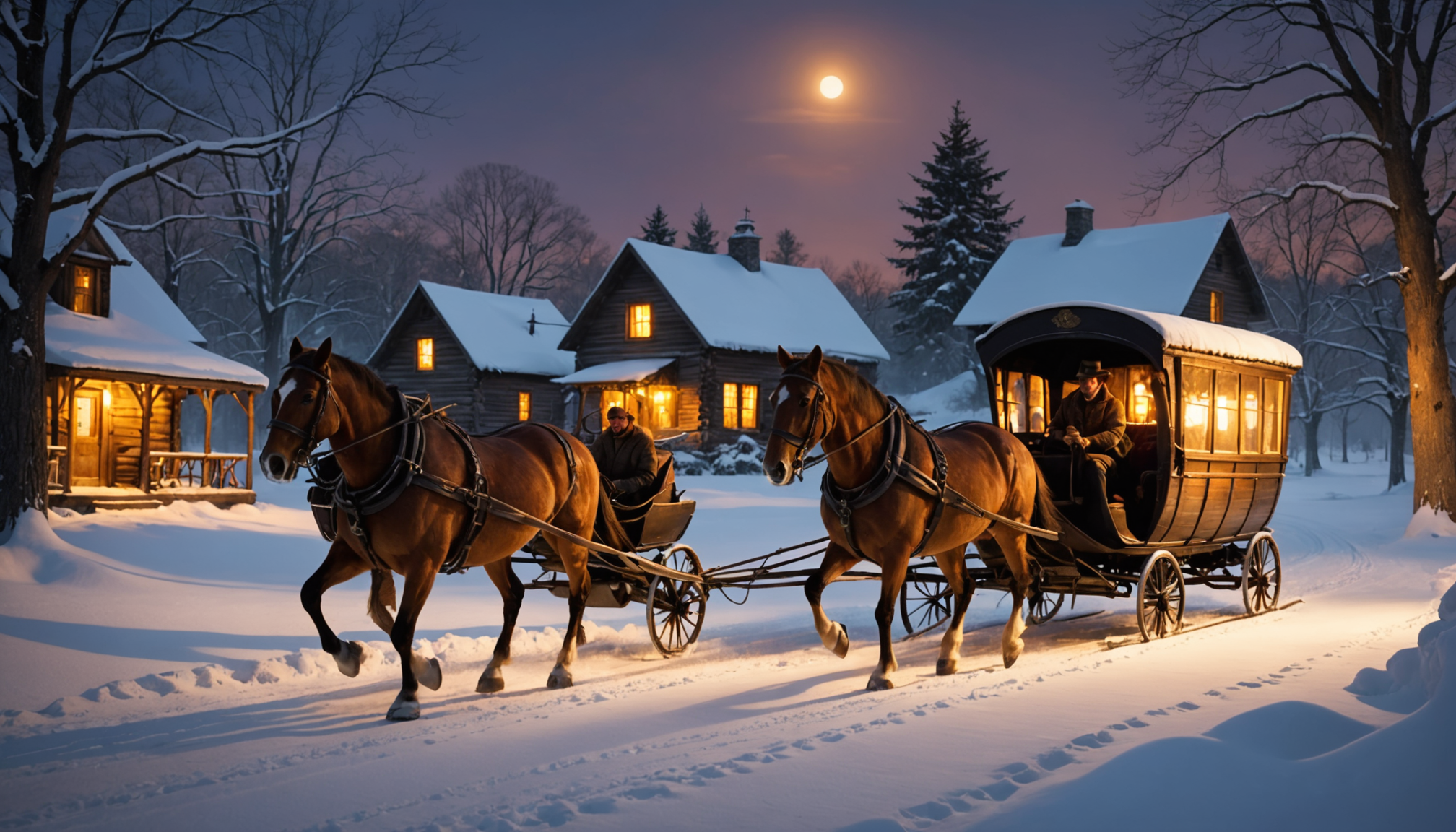
The Pioneer Adventists developed remarkably efficient methods of winter transportation that proved essential for their survival and community cohesion. Horse-drawn sleighs, crafted with meticulous attention to detail, featured innovative runners fashioned from seasoned oak, treated with special mixtures of tallow and resin to reduce friction against the snow. These conveyances, essential for seasonal work, were carefully maintained throughout the year and modified according to the severity of winter conditions.
For shorter journeys, snowshoes became indispensable tools of mobility. The pioneers developed their own distinctive snowshoe design, incorporating traditional Native American techniques with their own innovations. The snowshoes featured intricate webbing patterns made from carefully treated animal hide, which proved remarkably durable in the harsh winter conditions. Each family typically possessed several pairs in varying sizes, enabling both adults and children to maintain mobility during deep snow conditions.
In particularly challenging terrain, the pioneers utilized specialized ski-like implements known as “Norwegian runners,” crafted from long strips of hardwood and enhanced with metal edges for improved control. These were particularly valuable for practical projects such as checking trap lines and transporting supplies between settlements. The technique of using these runners was taught to children from an early age, ensuring the skill passed through generations.
- Reinforced wooden sleds for heavy cargo transport
- Ice cleats crafted from leather and metal spikes
- Rope-guided pulley systems for crossing frozen waterways
- Emergency transportation markers for night navigation
For crossing frozen lakes and rivers, the pioneers developed an intricate system of ice testing and path marking. Designated “ice watchers” would regularly survey frozen waterways, marking safe passages with cedar boughs stuck in the ice. This system proved invaluable for maintaining vital communication and supply lines between scattered settlements during the coldest months of winter.
Community gathering traditions
As winter’s icy grip tightened around their settlements, Pioneer Adventists transformed the challenging season into a time of profound social connection. Their meetinghouses became vibrant centers of activity, where families gathered not merely for worship but for extended periods of fellowship. These gatherings, often lasting from early morning until dusk, featured carefully orchestrated activities that strengthened both spiritual and communal bonds.
Indoor pursuits during these assemblies took on particular significance, with women organizing quilting circles that served both practical and social purposes. Young children would sit at their mothers’ feet, learning vital skills while absorbing the wisdom shared through gentle conversation. The men, meanwhile, would often gather in separate groups, discussing agricultural techniques and sharing knowledge about cold weather living strategies.
The tradition of “Saturday night socials” emerged as a cornerstone of winter community life. Families would rotate hosting duties, their homes transformed into warm havens of fellowship. These gatherings featured distinctive activities such as:
- Scripture-based word games and riddles
- Group hymn singing with harmonized parts
- Shared readings from religious texts and family journals
- Practical projects involving the entire community
Family time extended beyond immediate relations during these winter gatherings. The community developed a unique system of “adoption,” where each family would take special responsibility for supporting another during the winter months. This arrangement ensured that widows, orphans, and struggling families received consistent care and companionship throughout the season.
The pioneers established a remarkable tradition known as “wisdom evenings,” where elderly members would share their knowledge with younger generations. These sessions, conducted in candlelit rooms, covered everything from herbal medicine to weather prediction, ensuring vital information passed seamlessly through generations. Young couples often formed lasting courtships during these gatherings, with careful chaperoning maintaining proper decorum while allowing for meaningful connection.
Food preservation and storage
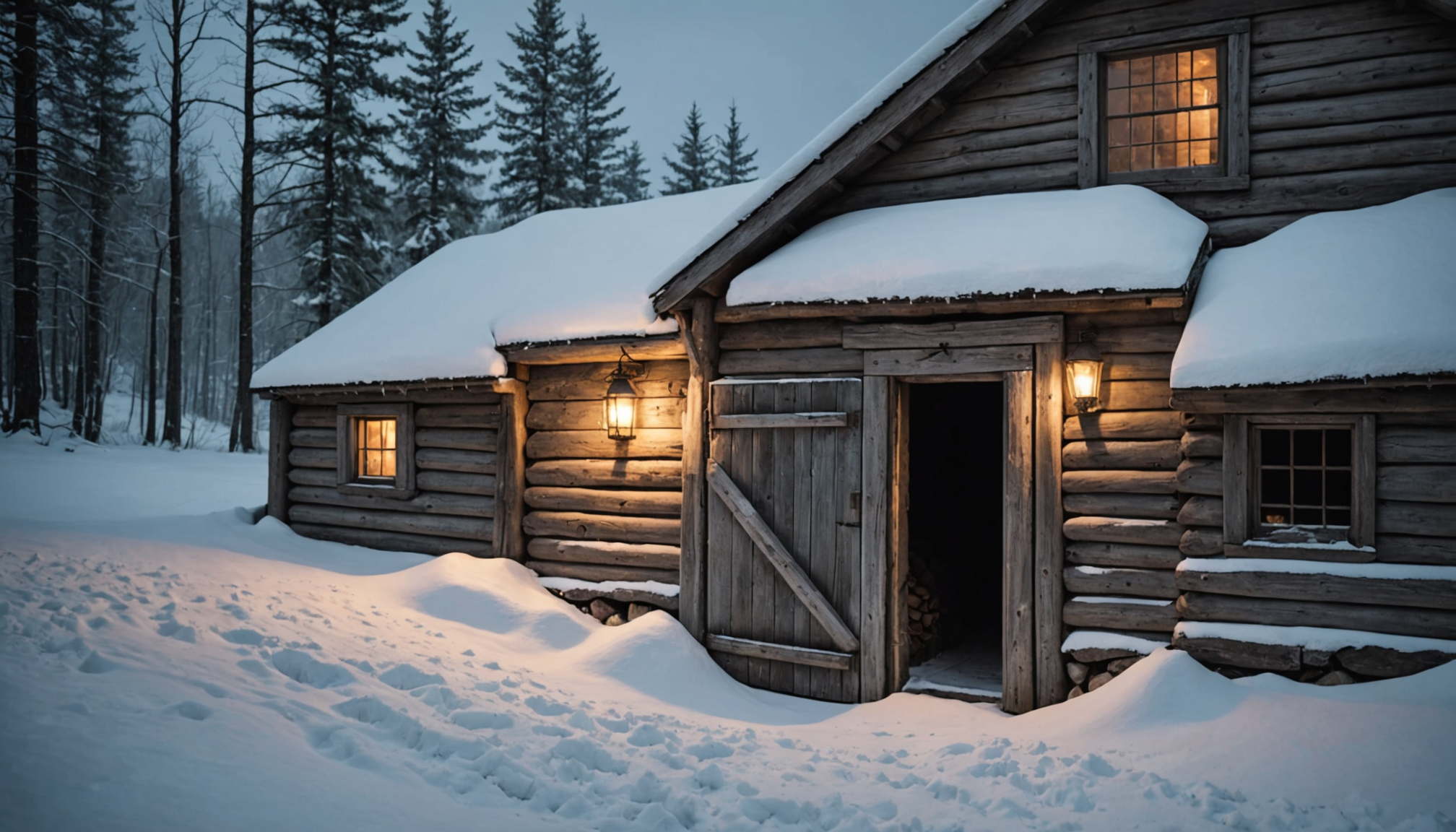
Pioneer Adventists developed sophisticated food preservation methods that proved crucial for winter survival. Root cellars, dug deep into hillsides and lined with straw and sawdust, maintained consistently cool temperatures that prevented food spoilage. These underground storage spaces featured carefully designed ventilation systems that regulated humidity levels, ensuring vegetables remained fresh throughout the coldest months.
The practice of seasonal work began in late summer with extensive food preservation efforts. Families worked together to preserve vast quantities of produce through various methods, including dry-salt curing, smoking, and cold storage. They developed unique techniques for preserving apples in sand-filled barrels and protecting potatoes from frost damage by storing them in specialized bins lined with pine needles.
The community’s detailed inventory system tracked food supplies meticulously. Each family maintained detailed records of their stored provisions, enabling them to plan meals effectively through the winter months. They developed a sophisticated rotation system that minimized waste and ensured even the last preserved items remained edible when spring arrived.
- Smoke-preserved meats hung from specially designed rafters
- Dried fruits stored in handcrafted wooden containers
- Root vegetables layered in sand-filled boxes
- Preserved herbs bundled and stored in darkness
Indoor pursuits during winter included regular maintenance of stored foods, with families checking their provisions weekly for any signs of spoilage. They developed innovative solutions for extending food preservation, such as wrapping cabbages individually in newspaper and storing them upside down in ventilated crates. These careful preservation methods ensured survival during the harshest winter months when fresh food was scarce.
Beside our live streamed church services, all are welcome to attend our church in person each Saturday beginning 10:00 AM Central Time by going to 2425 Owens Rd., Ashland, AL 36251. There is no cost and any donations are strictly voluntary.
For questions, call +2563547124.